Rabat-Salé-Kénitra Travel Guide
The Hassan Tower, Rabat. Photo via Wikimedia Commons.
Rabat has been Morocco's administrative capital since independence in 1956, and it wears the role with unusual calm: wide boulevards, the Bou Regreg river, and a medina that feels lived-in rather than staged. The historic core, listed by UNESCO in 2012 as the 'Modern Capital and Historic City', mixes Almohad monuments with French-planned streets.
Across the river, Salé is the older, tougher twin: its Great Mosque dates to 1196, and its medina was a corsair republic in the 17th century. Kénitra and the Maâmora cork-oak forest complete the region.
Destinations in Rabat-Salé-Kénitra
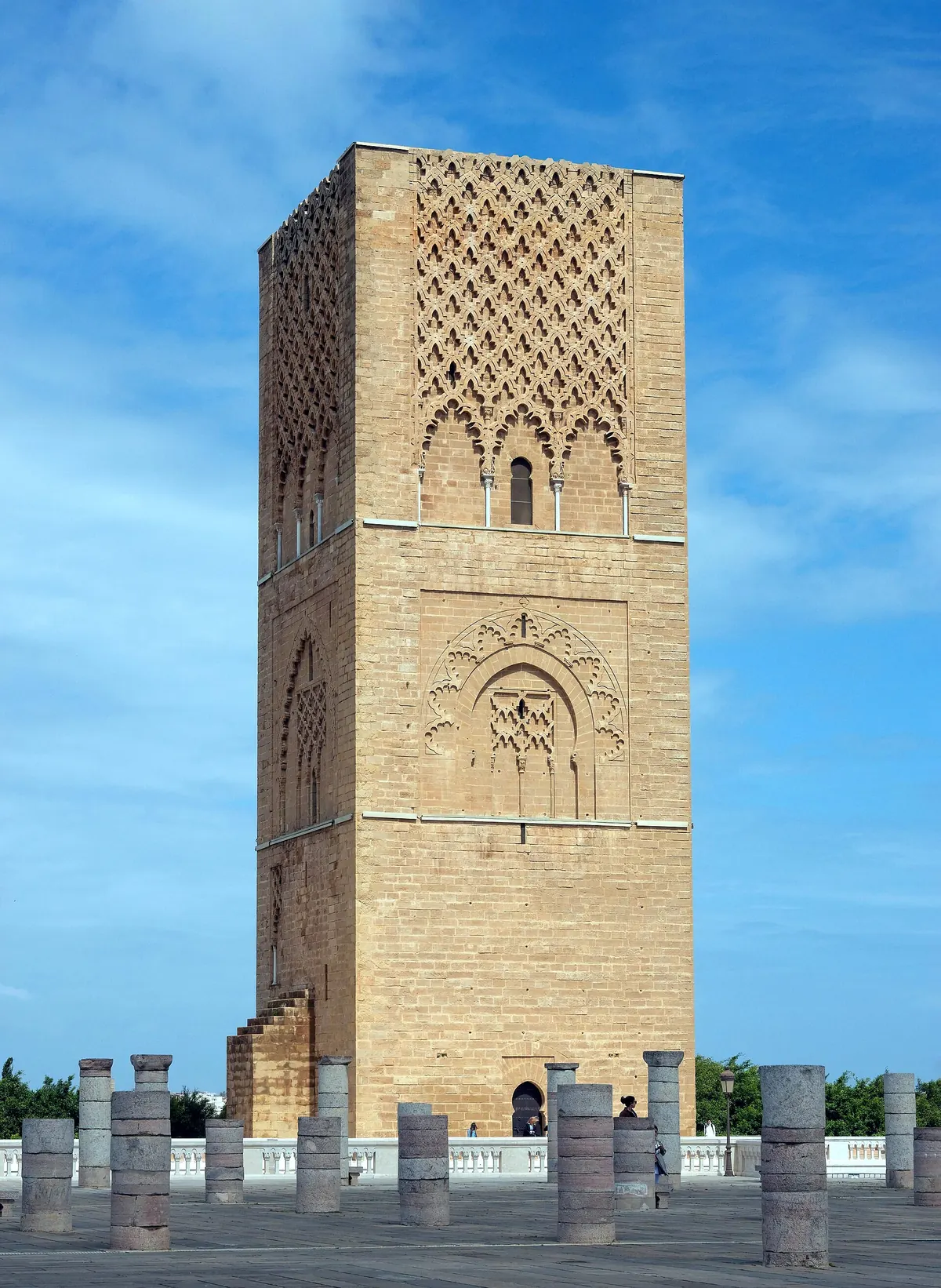 Hassan TowerThe unfinished 1195 minaret and its field of columns.
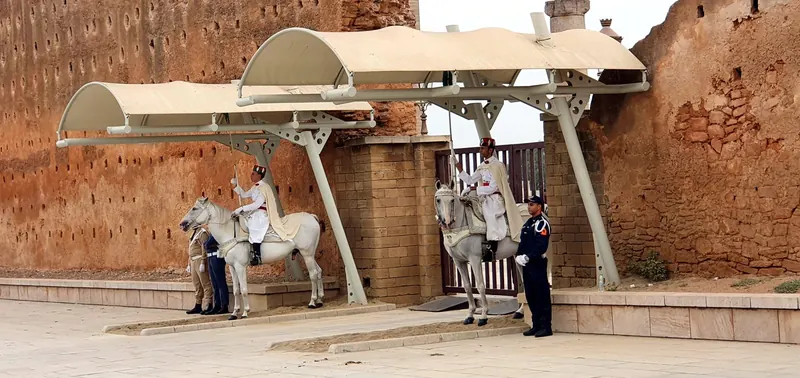 Mausoleum of Mohammed VThe marble tomb of the independence king, guarded by the Royal Guard.
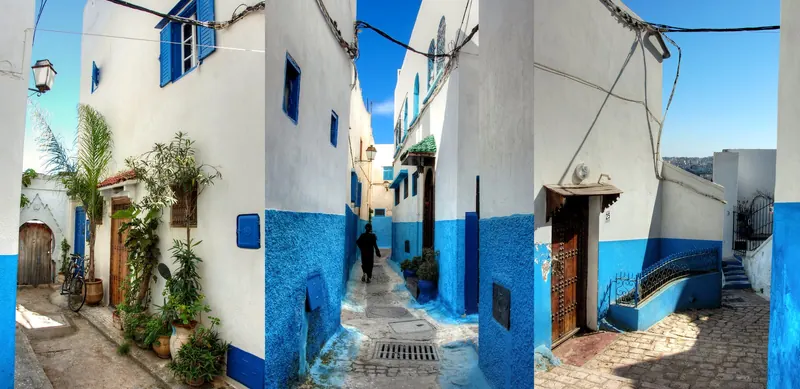 Kasbah of the UdayasThe blue-and-white citadel above the river, with the Andalusian Gardens.
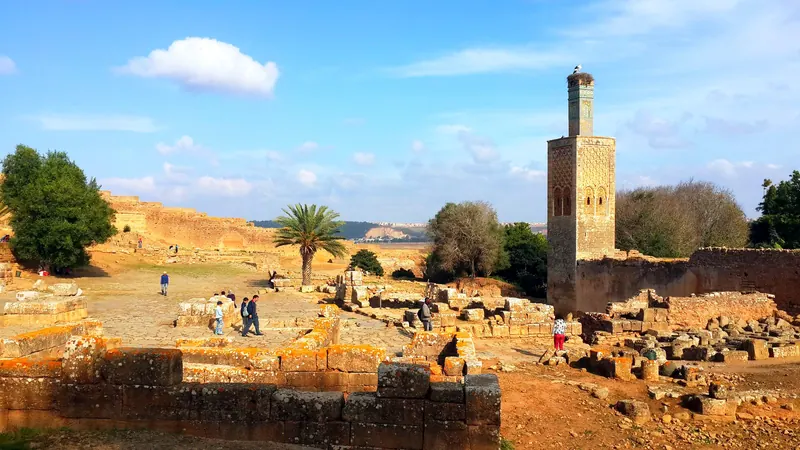 ChellahThe ruined Merinid necropolis among Roman columns and storks.
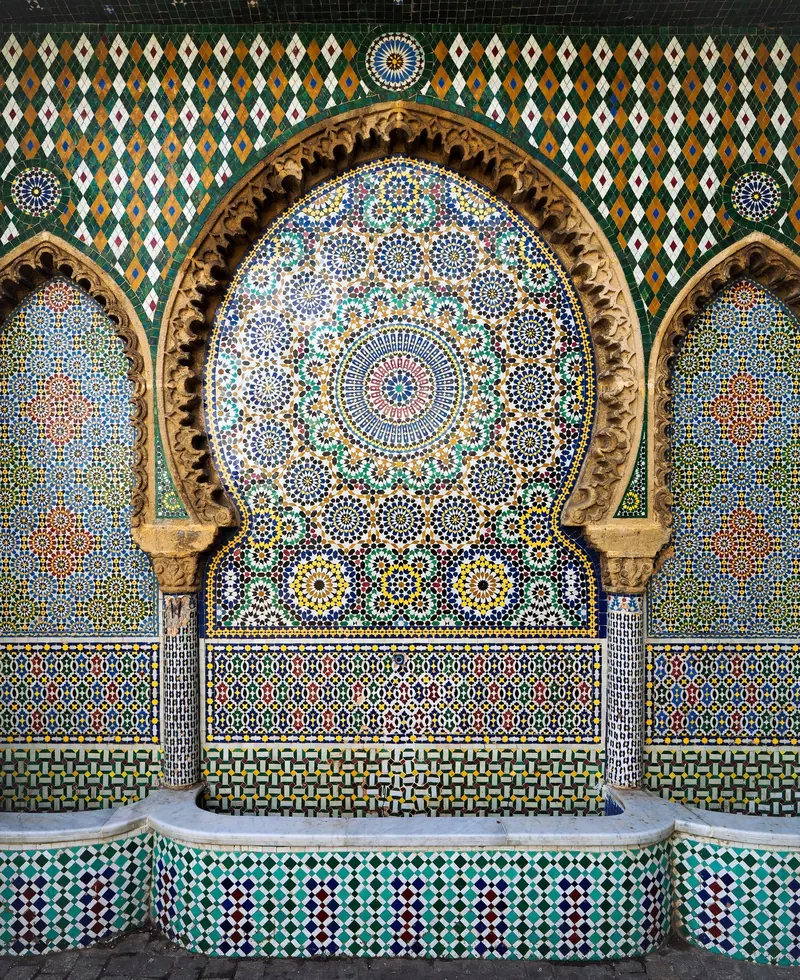 Rabat medinaThe old town's souks and the Rue des Consuls.
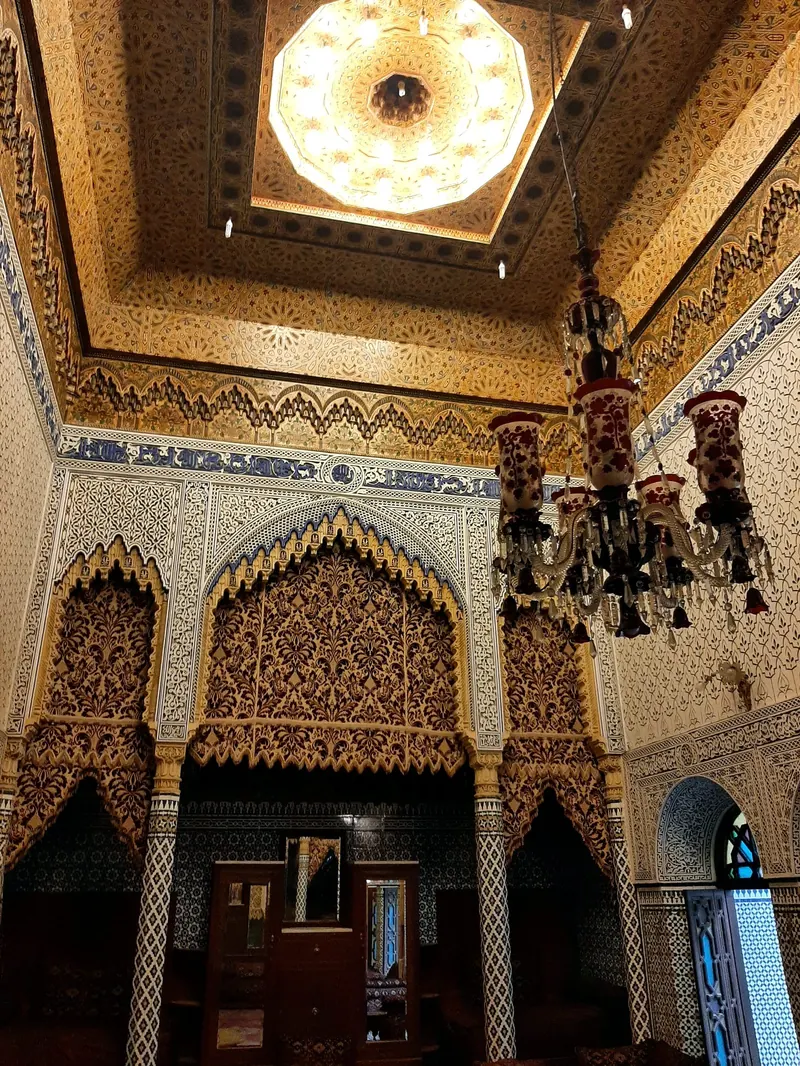 Salé medinaThe corsair city's Great Mosque (1196) and working souks.
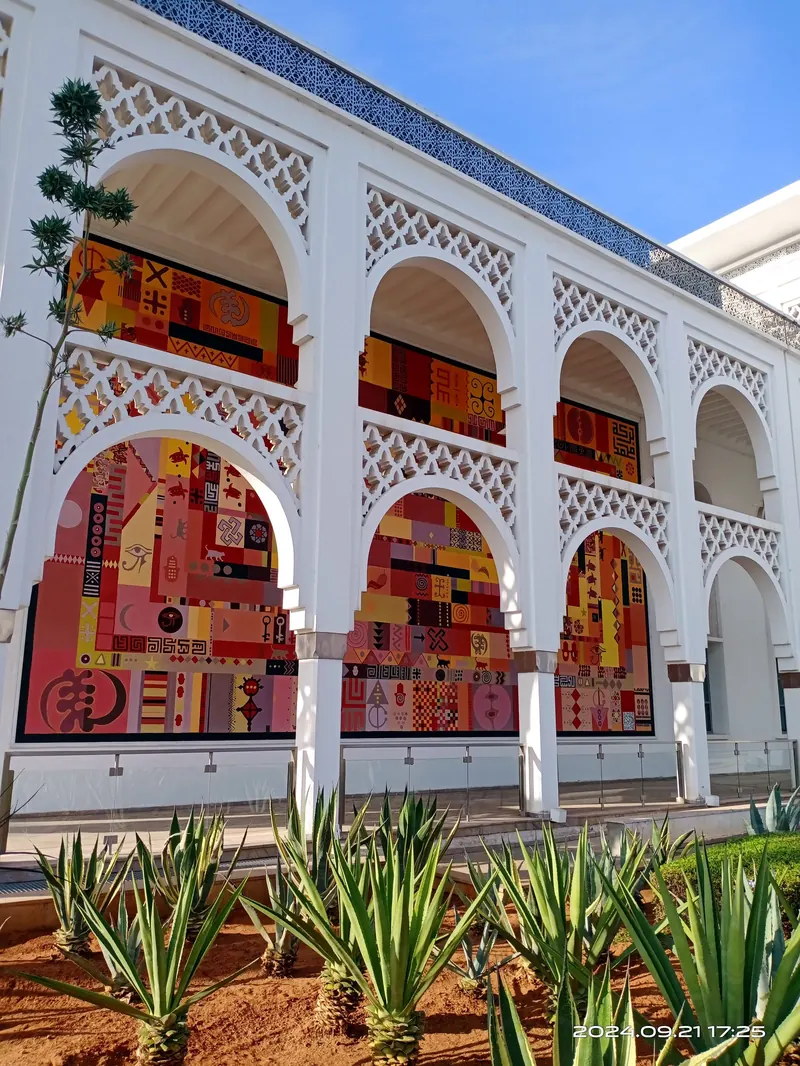 Mohammed VI MuseumMorocco's museum of modern and contemporary art.
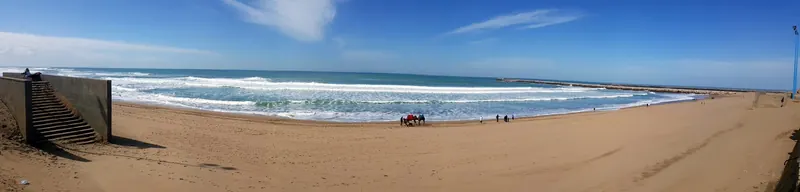 Mehdia beachThe surf beach at the Sebou river mouth, near Kénitra.
- Maâmora forestOne of the world's great cork-oak forests, on the road to Kénitra.
Hover a region to explore it. Click a city pin to open its guide.
Top Cities & towns in Rabat-Salé-Kénitra
Regional food
- Pastilla in the Rabat medina's old restaurants
- Rfissa (chicken and lentils over shredded msemen)
- Grilled sardines by the river
Getting there
Rabat-Salé Airport (RBA) is 10 km northeast. The Al Boraq high-speed train reaches Casablanca in about 35 minutes and Tangier in 90. The Rabat-Salé tram links the two cities.