
- Mint tea at Café Hafa, over the Strait of Gibraltar.
- Grilled fish on the corniche and in the port restaurants.
- Bissara with olive oil and cumin for breakfast.
Tangier City Guide
The Kasbah Mosque, Tangier. Photo via Wikimedia Commons.
Tangier has always faced outward: Phoenician port, Roman town, and from 1923 to 1956 the International Zone, the polyglot city of Bowles, Burroughs and the Beats. Today's Tangier is polished and fast-growing, with the old medina intact at its core.
Walk the Kasbah down to the port, take mint tea at Café Hafa over the Strait, and day-trip to Cap Spartel and the Caves of Hercules. The Al Boraq high-speed line has made Tangier the easy start to a Morocco trip.
What to do in Tangier
The medina and Kasbah
- 1
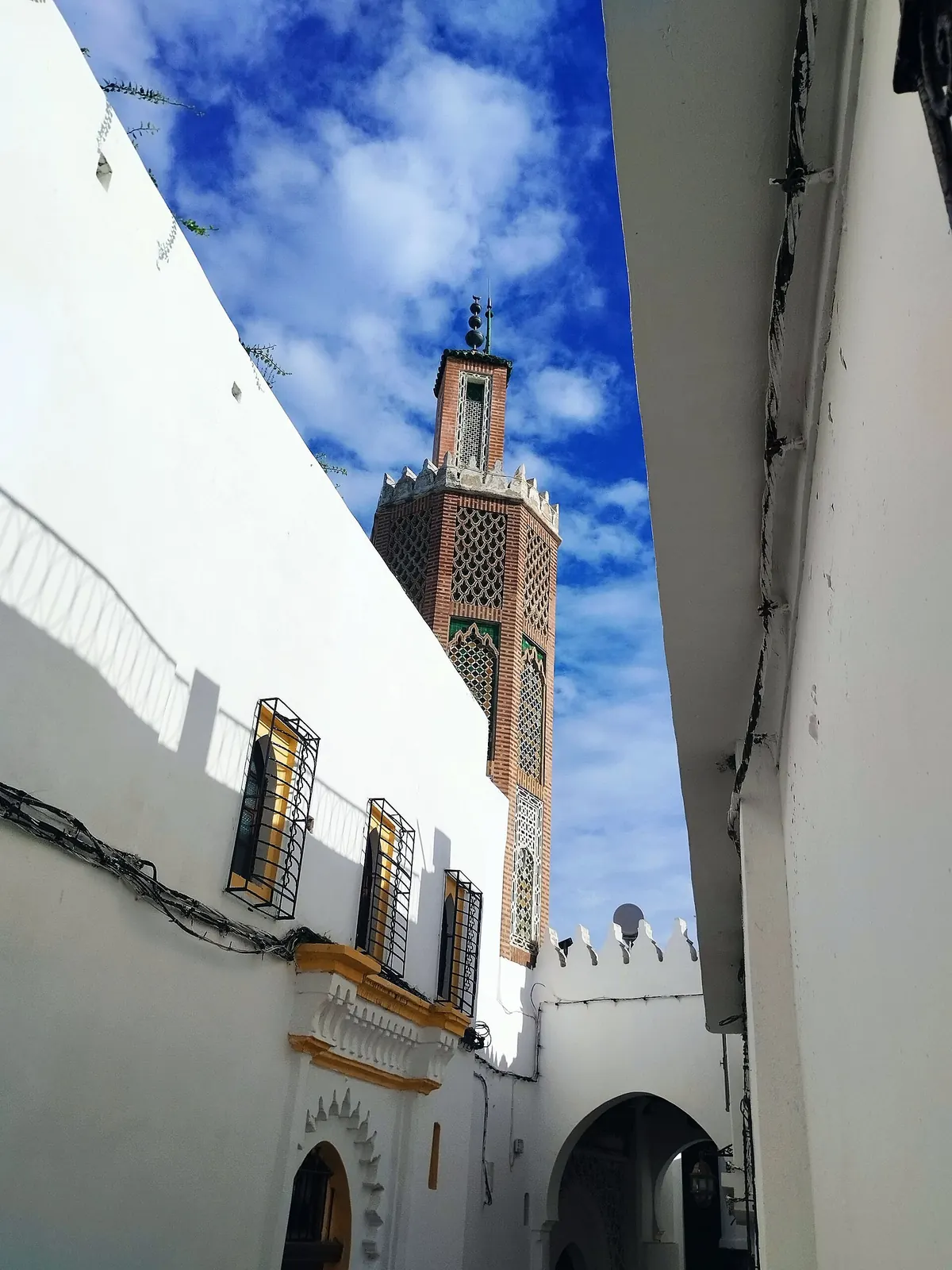 Kasbah Museum (Dar el Makhzen) The former sultan's palace: the region's history from Phoenicians to the present.
- 2
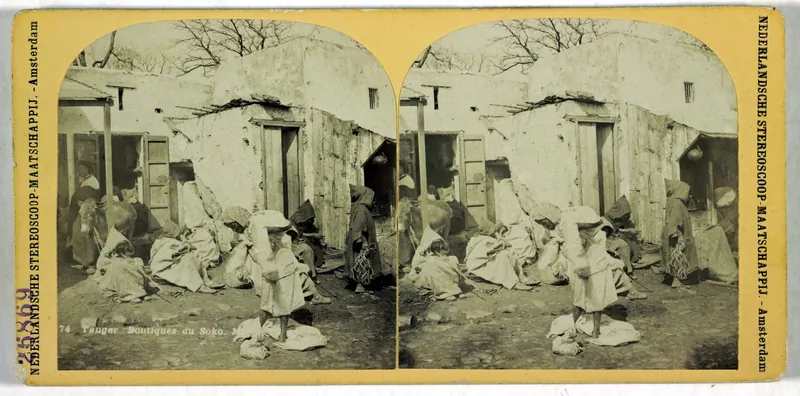 Petit Socco The little square of the International Zone years.
- 3
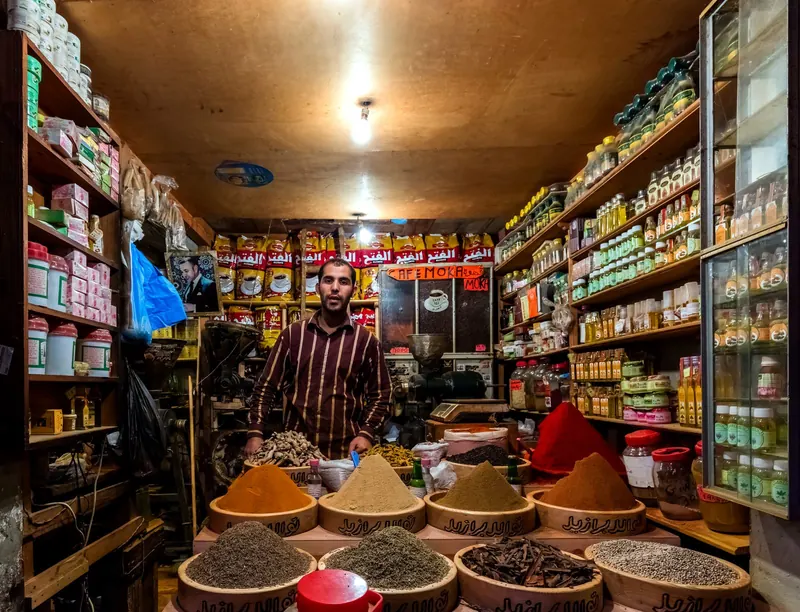 Grand Socco The big square between medina and ville nouvelle, with the Mendoubia gardens.
- 4
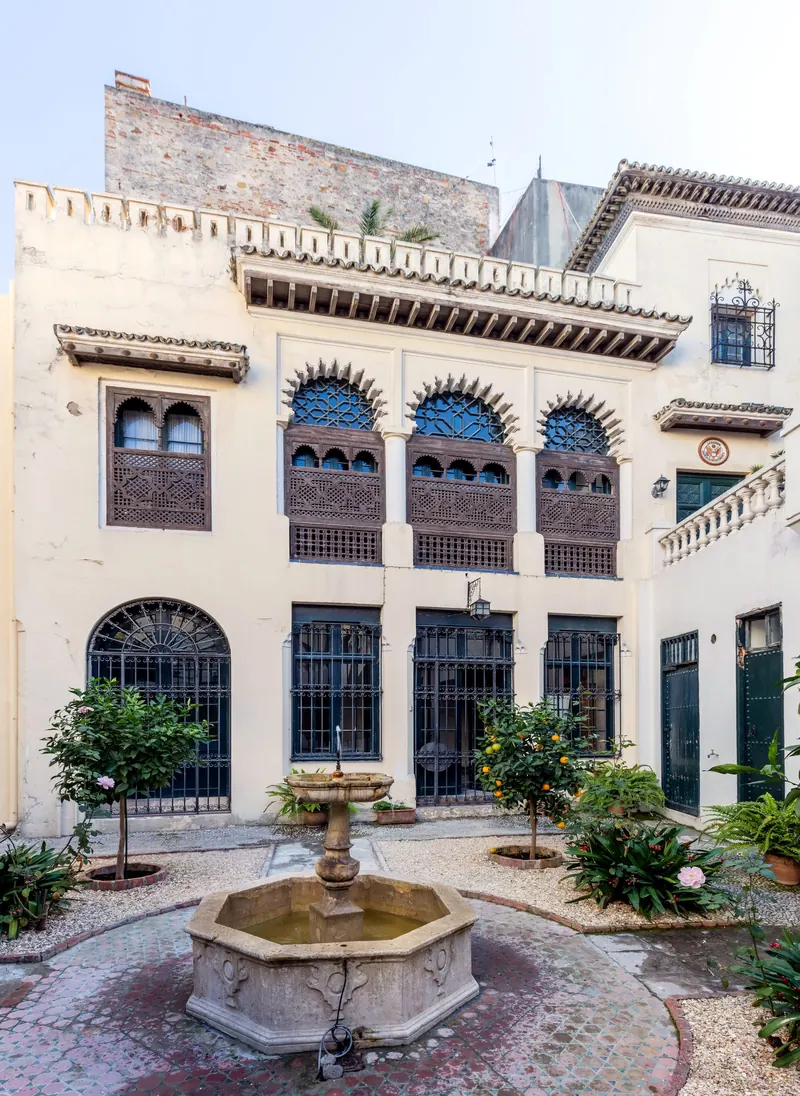 American Legation The 1821 diplomatic building, now a museum; the first US property abroad.
- 5
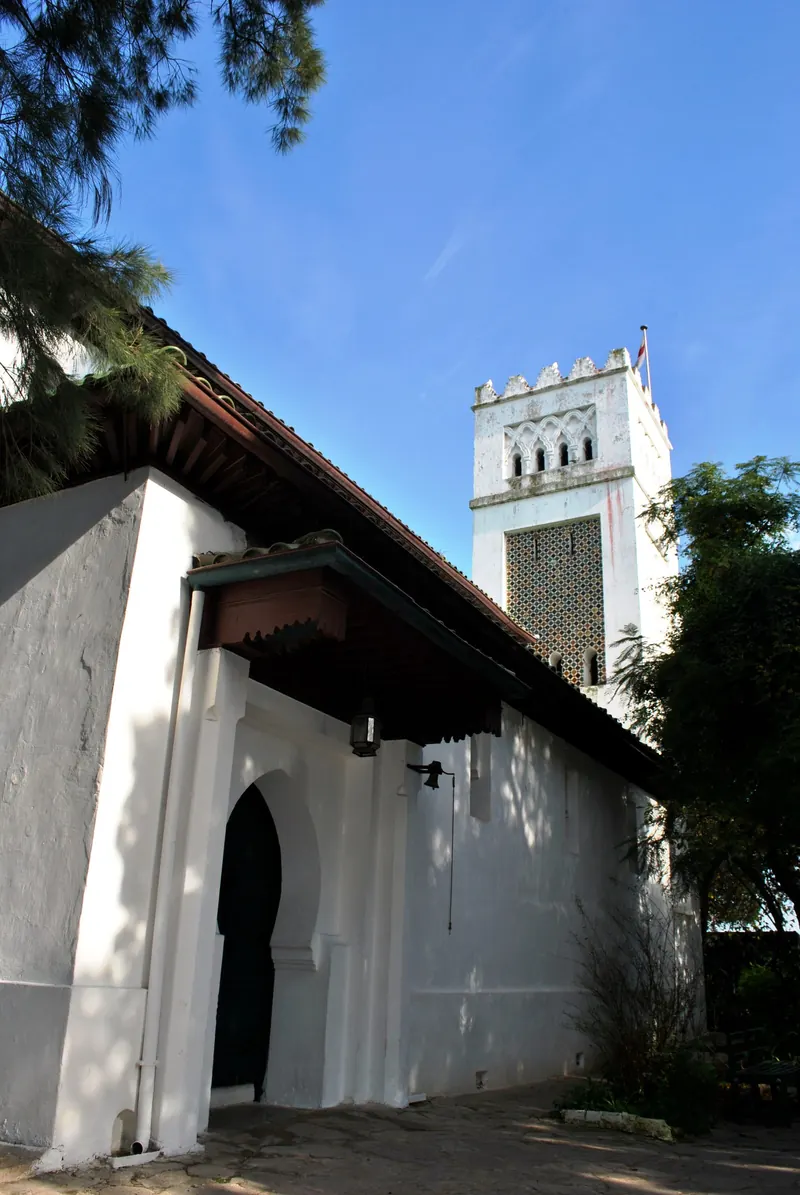 St Andrew's Church The 1894 Anglican church with Moorish interior details.
- 6
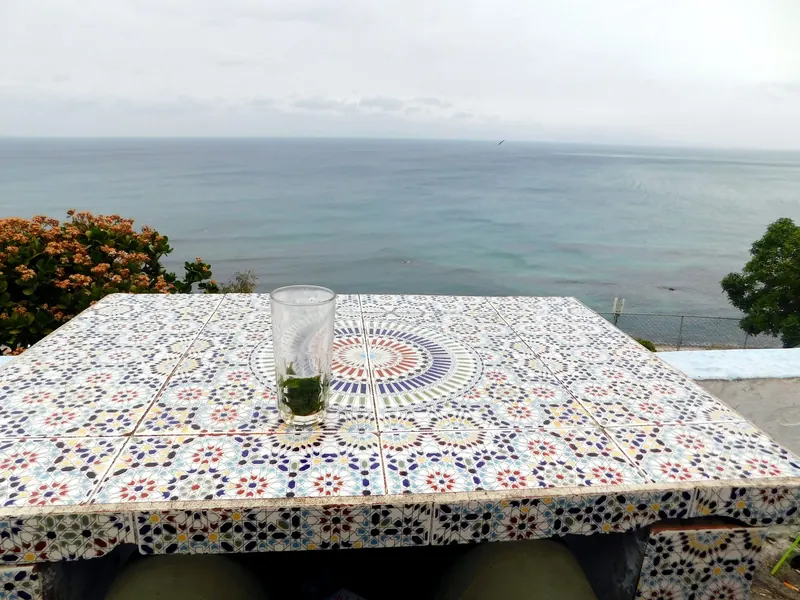 Café Hafa The 1921 cliffside café over the Strait.
Day trips
- 1
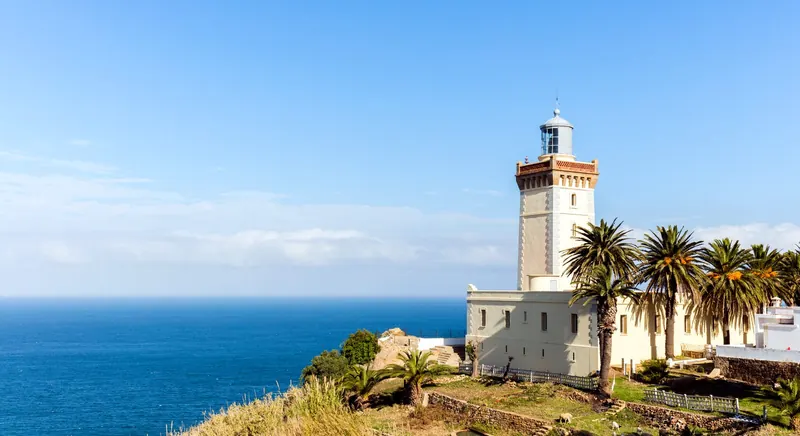 Cap Spartel The lighthouse at the meeting of Atlantic and Mediterranean.
- 2
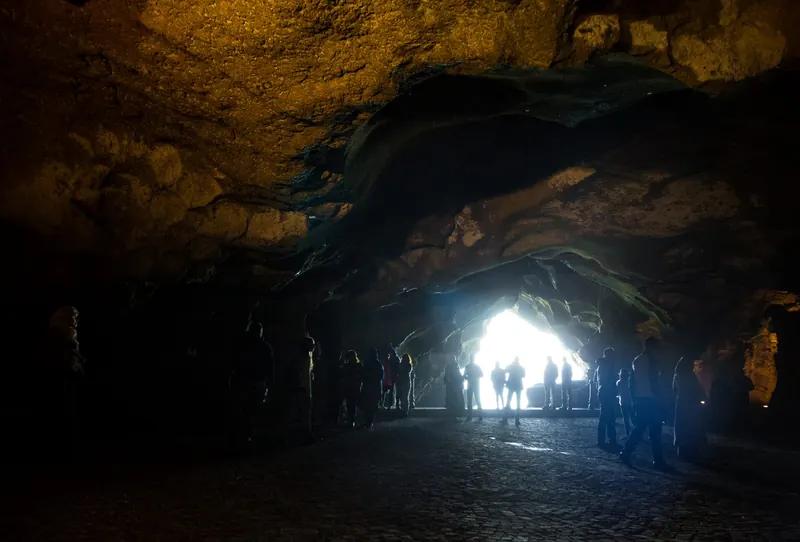 Caves of Hercules The sea cave with the Africa-shaped opening.
- 3
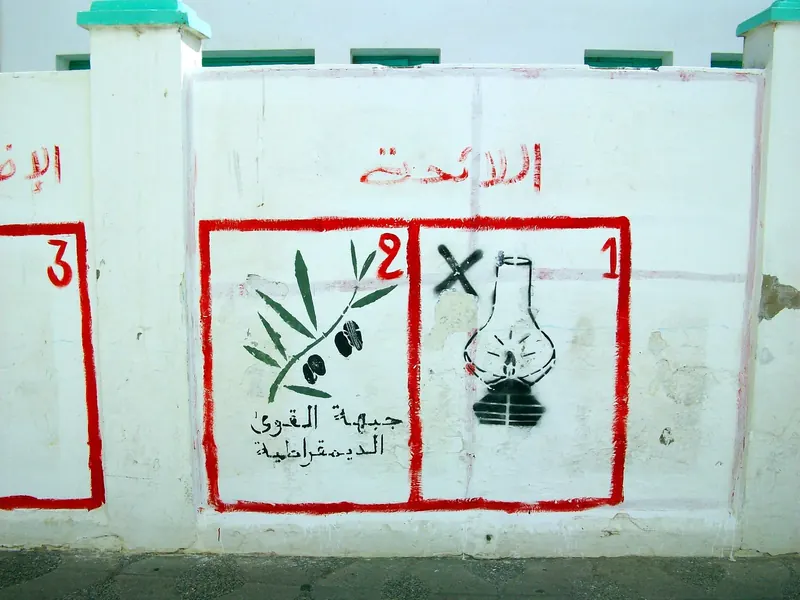 Asilah The mural-painted medina town, 40 km south.
Tangier Hotel Guide
How to choose the best places to stay in Tangier. Verified properties below; for the full list, search live availability on Booking.com.
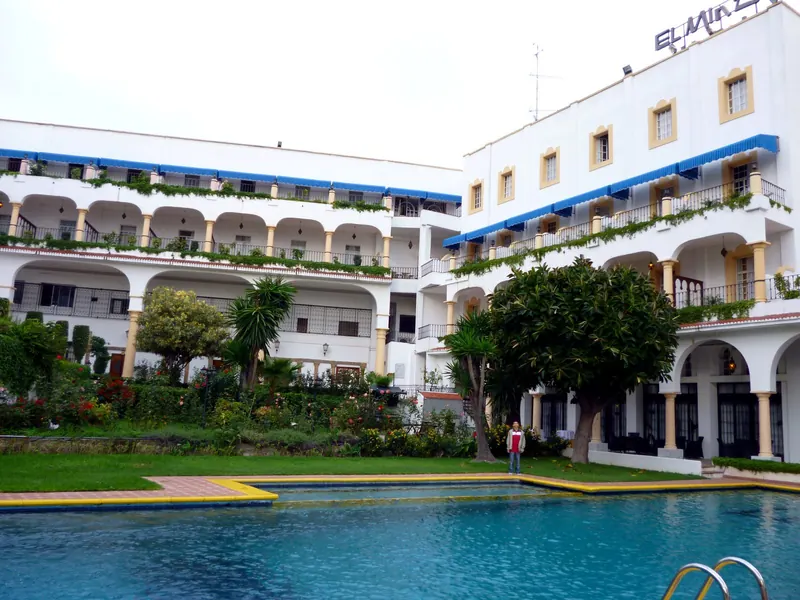
Luxury
El Minzah Hotel
The 1930 grand hotel of the International Zone years, in the ville nouvelle.
View on Booking.com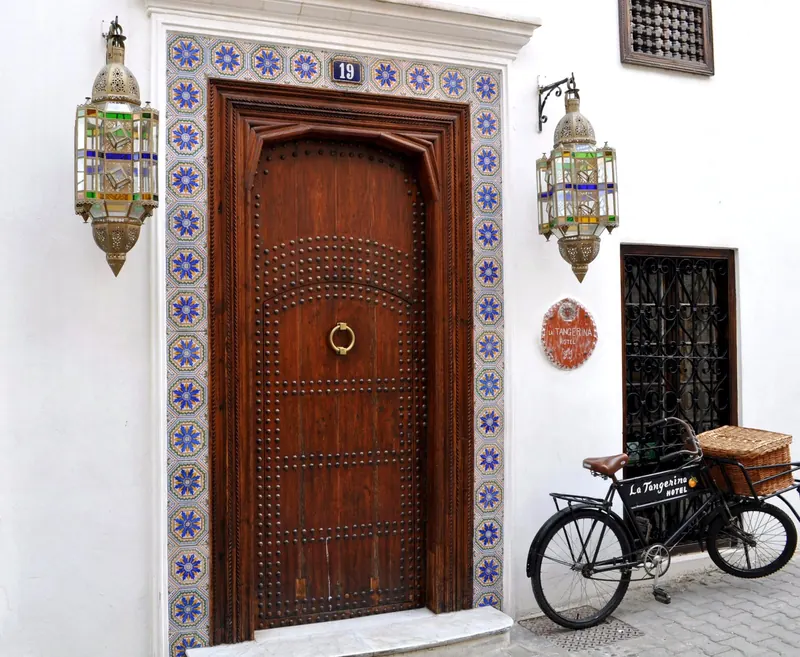
Where to eat
Getting there and around
Ibn Battouta (TNG) is 12 km southwest. Al Boraq runs to Casablanca (about 2h10) via Rabat. Ferries sail from Algeciras and Tarifa to Tanger-Med (35 km east).
Eating in Tangier
Fledge Food has a full guide to how Tangier eats: its defining dishes and how to order them, street food decoded, the markets, and the neighborhoods to eat in.