
- Thang co at the Sapa market: the Hmong hotpot, for the brave.
- Grilled pork and com lam at the night market stalls.
- Sapa trout and sturgeon, farmed in the cold streams.
Sapa Town Guide
The stone church of Sapa (1895), with Hmong children in traditional dress. Photo via Wikimedia Commons.
Sapa sits at 1,500 metres in the Hoang Lien Son mountains: a former French hill station of stone villas and mist, turned into Vietnam's trekking capital. The town itself is small and touristy; the valleys around it are the reason to come.
The Muong Hoa Valley drops from the town in terraced steps through Hmong villages at Lao Chai and Ta Van. Fansipan, the 3,143-metre roof of Indochina, looms west: climb it or ride the cable car. The stone church (1895) anchors the town square, where Hmong and Dao women sell textiles in the morning market.
What to do in Sapa
Town
- 1
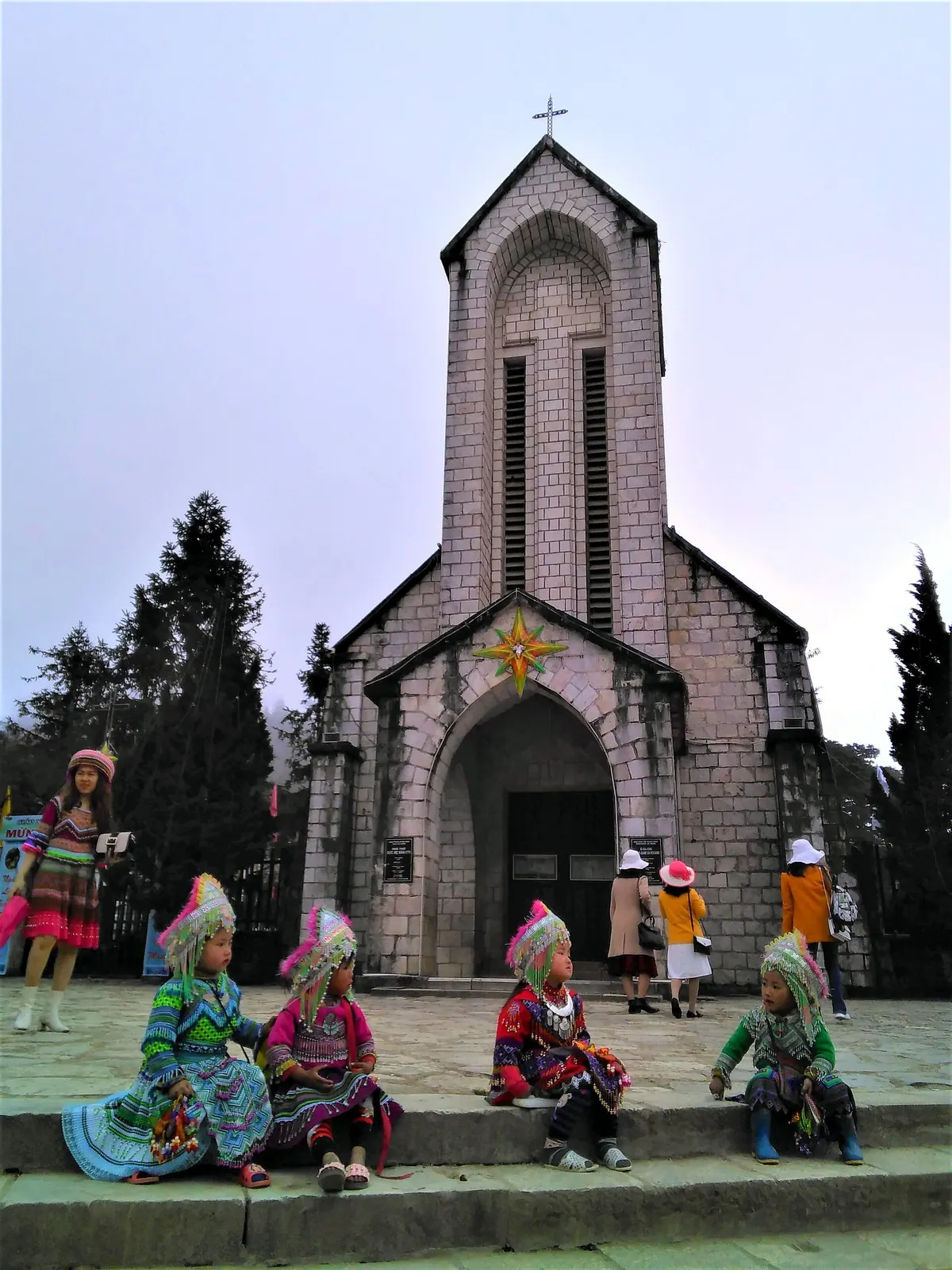 Sapa Stone Church The 1895 French church on the town square.
- 2Sapa Market Morning textiles, produce and the minority vendors in full dress.
- 3
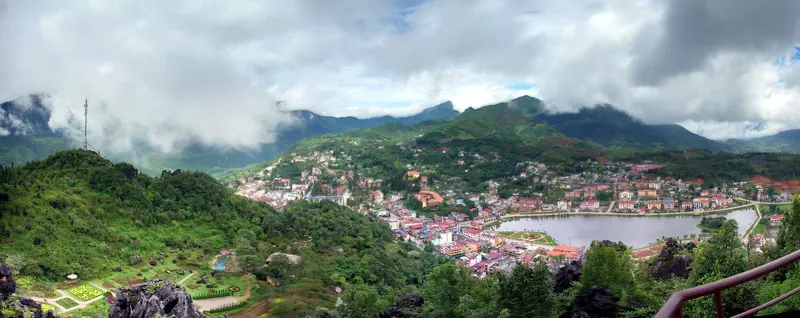 Ham Rong Mountain The orchid gardens and viewpoints above town.
Valleys and peaks
- 1
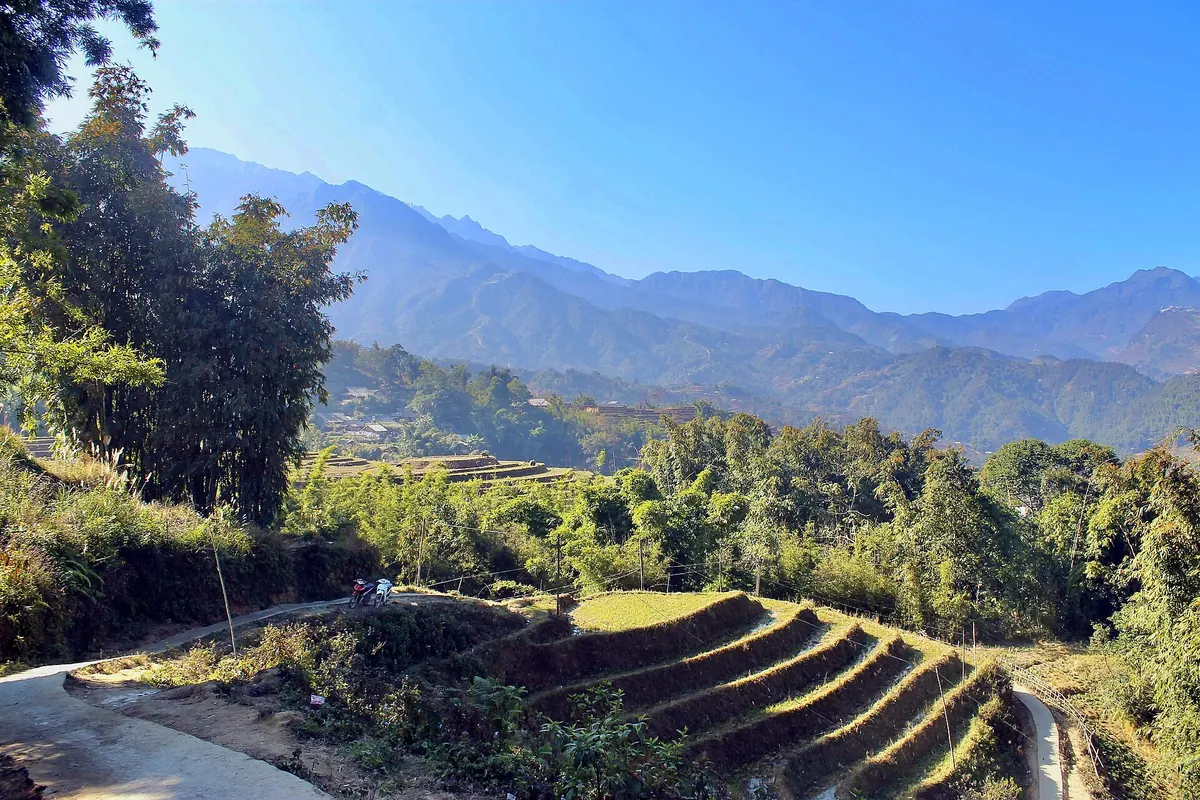 Muong Hoa Valley trek The classic trek: Lao Chai, Ta Van and homestays in the terraces.
- 2
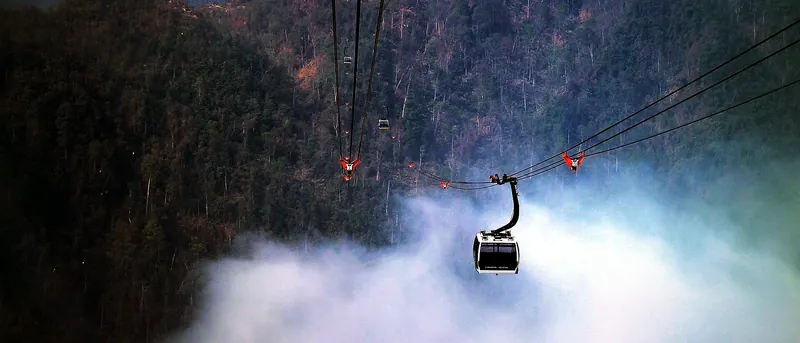 Fansipan 3,143 m: the cable car or the two-day climb.
- 3Cat Cat Village The closest Hmong village: waterfall, mill and craft shops.
- 4Silver Waterfall and Heaven's Gate The O Quy Ho pass road: waterfalls and the high viewpoint.
Sapa Hotel Guide
How to choose the best places to stay in Sapa. Verified properties below; for the full list, search live availability on Booking.com.
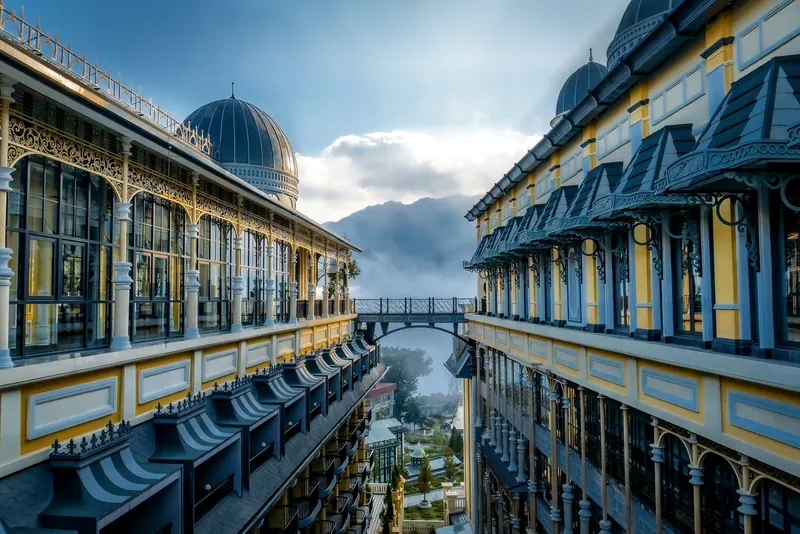
Luxury
Hotel de la Coupole - MGallery
Bill Bensley's haute-couture mountain hotel, opened 2018.
View on Booking.com
Where to eat
Getting there and around
Overnight sleeper buses run Hanoi to Sapa in about 6 hours; the overnight train goes to Lao Cai with a 45-minute road transfer up. Book treks through the hotel or a local Hmong guide collective.