
Domestic flights
Flying is how Americans cross the country: the big hubs are Atlanta, Dallas-Fort Worth, Chicago O'Hare, Denver and Los Angeles. Budget carriers (Southwest, JetBlue, Alaska) cover most city pairs cheaply if booked ahead.
Southwest includes two free checked bags, a rarity among US airlines. Most others charge for checked bags and seat selection on basic fares.
Driving
A rental car is essential for national parks, the South, the Midwest and almost everything west of the Rockies. Book early in summer; one-way rentals carry drop fees.
You can drive on your home licence (plus an International Driving Permit for non-English licences). Speed limits are strictly enforced; the interstate limit is usually 105 to 130 km/h. Right turn on red is legal almost everywhere after stopping.
Gas is cheap by world standards and stations are everywhere. Toll roads cluster in the Northeast, Florida and Texas; rental companies offer toll transponders.
Trains and buses
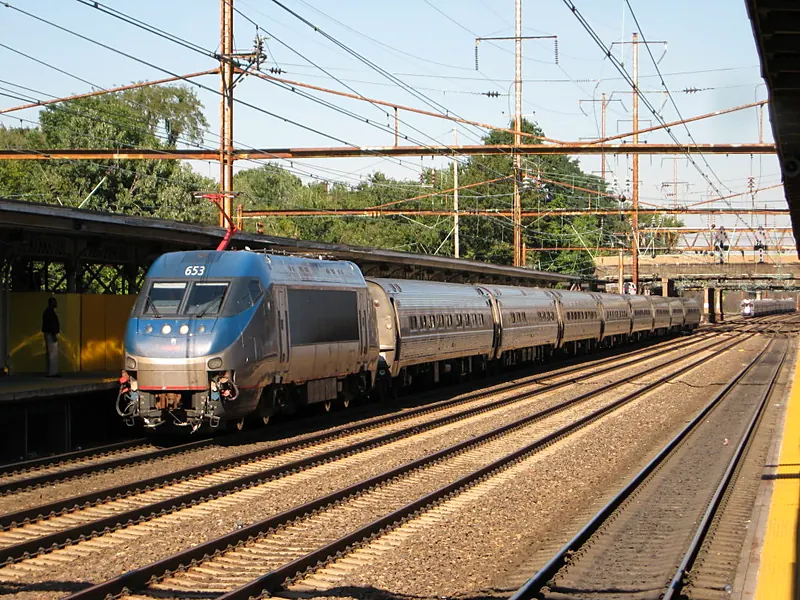
Amtrak's Northeast Corridor (Boston to New York to Washington) is genuinely useful and often faster than flying downtown to downtown. Elsewhere, trains are scenic but slow: the Coast Starlight and California Zephyr are experiences, not transport.
Greyhound and FlixBus cover intercity routes cheaply; city buses fill local gaps. Rideshares (Uber, Lyft) work in every city.
City transit
New York's subway runs 24 hours and is the best in the country. Washington's Metro, Chicago's L, Boston's T and San Francisco's BART all serve visitors well. Los Angeles, Houston and Dallas are car cities; Miami and Las Vegas are in between.