Ferries
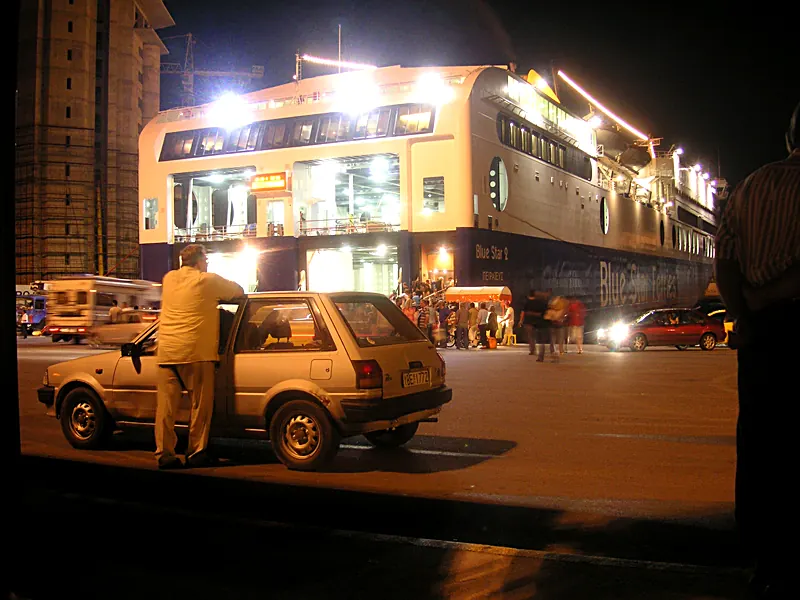
Ferries are the heart of Greek island travel. Piraeus (Athens' port) is the main hub; Rafina serves the northern Cyclades and Lavrio the Kea-Kythnos run. The big operators are Blue Star Ferries, Seajets and Hellenic Seaways, plus smaller local lines.
High-speed catamarans cross the Cyclades in 2 to 5 hours; conventional ferries are slower and cheaper and take cars. Book summer crossings ahead, especially for Santorini, Mykonos and the car decks.
Schedules thin out from October to April; some small islands lose daily connections in winter. The meltemi wind (July-August) can cancel fast ferries in the Cyclades: build buffer days into island-hopping plans.
Flying
Domestic flights link Athens with Thessaloniki, Crete (Heraklion, Chania), Rhodes, Santorini, Mykonos, Corfu and the rest in under an hour. Aegean Airlines and Sky Express are the main carriers.
For multi-island trips, flying into one island and ferrying between the rest usually beats backtracking through Athens.
Buses and trains
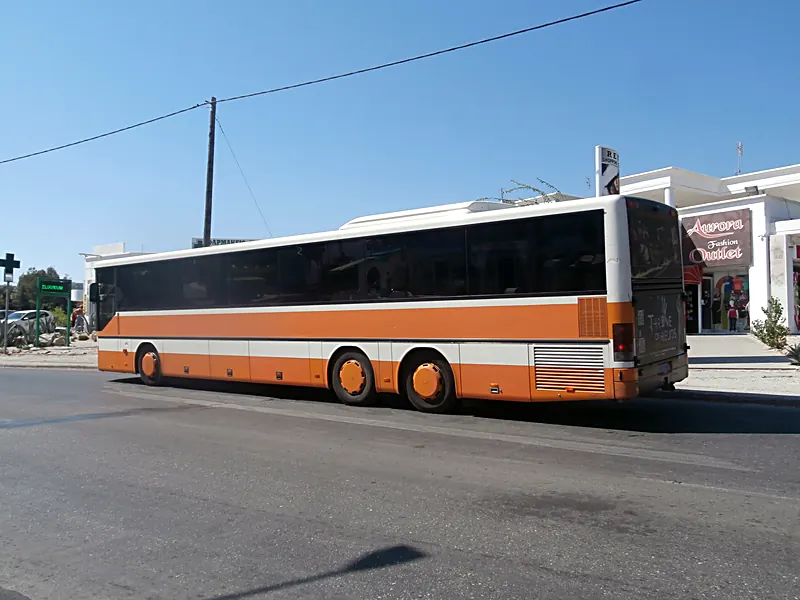
KTEL buses are the mainland workhorse: comfortable coaches link Athens with Delphi, Nafplio, Olympia, Thessaloniki and everywhere else. Buy tickets at the station or online.
The train network is limited but useful: Athens to Thessaloniki (about 4 hours), and the scenic Diakopto-Kalavryta rack railway. In cities, Athens has a 3-line metro; Thessaloniki's metro opened in 2024.
Driving
Greeks drive on the right. Rental cars are essential for Crete, the Peloponnese, Epirus and the big islands; book automatics well ahead in summer. Island roads are narrow and winding: take it slow.
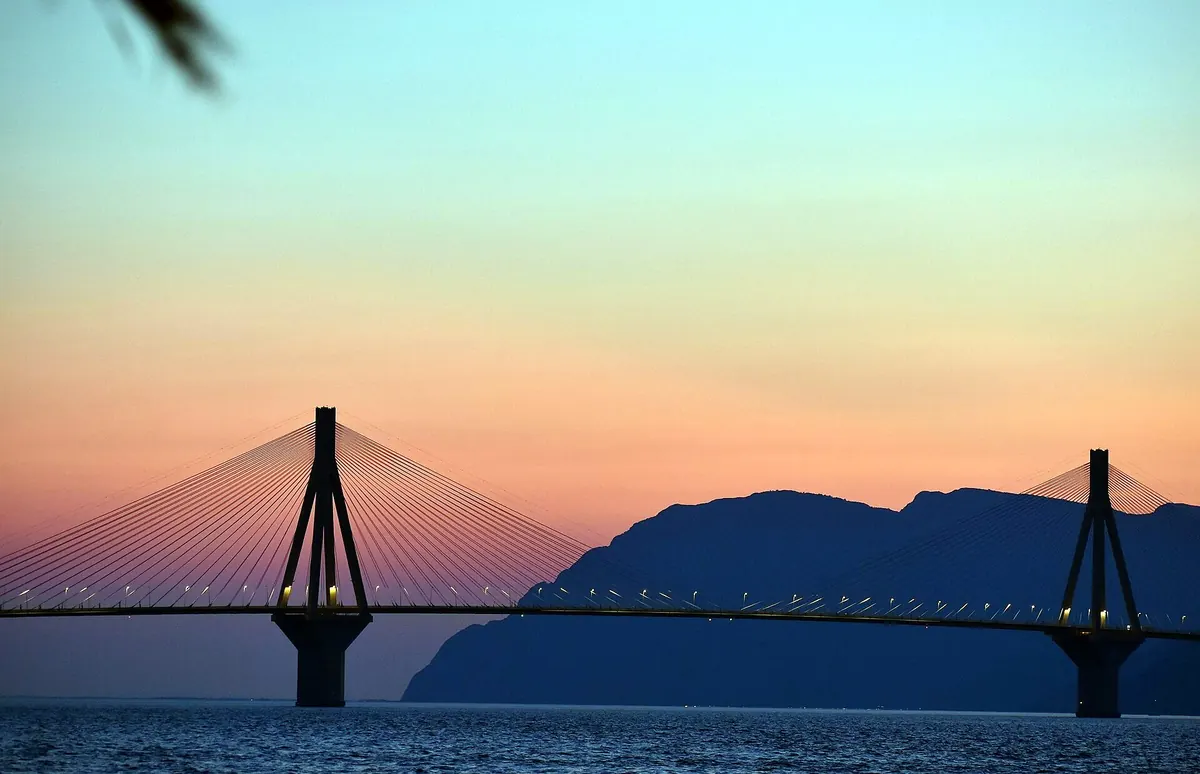
The Rio-Antirrio Bridge (toll) links the Peloponnese with western Greece; the Egnatia Odos crosses the north. Fuel up before remote mountain stretches.