La bandera at noon, mangu at dawn, the first city's table
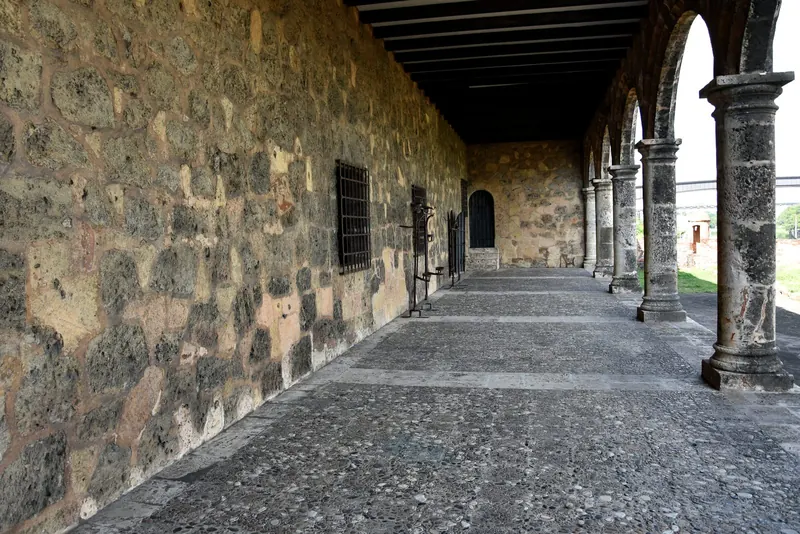
Calle Las Damas, Colonial Zone, Santo Domingo. Photo via Wikimedia Commons.
How Santo Domingo eats
Santo Domingo is the first city Europeans built in the Americas, and its table carries the full Dominican canon: la bandera (the flag) of rice, beans, and meat flying at every lunch, mangú mashed at dawn with fried cheese and salami, sancocho by the pot for the whole family, and the colmado (the corner store-bar) running the neighborhoods' social life with a Presidente beer always at freezing point.
The Colonial Zone holds the history and the handsome restaurants (the Mesón de la Cava is built into a cave), but the city's eating heart is the daily system: the fonda's bandera at noon, the fritura stands at night, Chinatown's Sunday market, and the Malecón's open-air evenings. Eat the flag at one, learn the colmado by six, and the city is yours.
Learn the foods
Start here, not with a restaurant. Learn what these foods are, where they come from, and how locals eat them, and the whole city opens up: every menu, every market, every street corner starts making sense.
La bandera dominicana
The flag: white rice, stewed red beans (habichuelas), and braised meat (pollo guisado above all), with salad and tostones, eaten at noon by essentially the entire country. The national lunch, non-negotiable and delicious.
Where it comes from: The bandera is less a dish than a daily constitution: the rice white, the beans red, the meat the flag's pole, as the schoolbook reading goes. Every fonda, comedor, and home kitchen serves it between twelve and two, and the Dominican abroad measures exile by its absence.
How to eat it: At a fonda at 12:30, with the house's aguacate in season and a cold Presidente. The beans go over the rice; the concon (crispy rice bottom) is requested, as everywhere in this sea.
Mangú con los tres golpes
Mashed green plantains for breakfast, topped with pickled red onions, and served with 'the three hits': fried Dominican salami, fried cheese, and a fried egg. The capital's great morning plate.
Where it comes from: Mangú is African in root (the fufu line again) and Dominican in name and form, the plantain mashed smooth with its own cooking water and butter or oil. Los tres golpes turned breakfast into a full contact sport, and the onions' vinegar bite is the plate's referee.
How to eat it: For breakfast, unapologetically, with a strong coffee (the colmado's or the fonda's). The onion goes on the mangú, the hits on the side, the egg's yolk over everything.
Sancocho
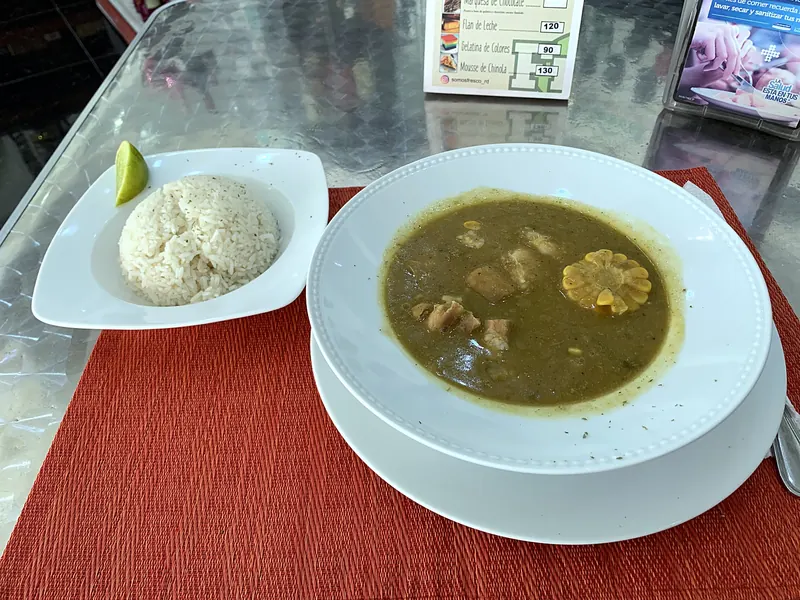
The great stew: seven meats in the full festive version (pork, beef, chicken, goat, sausages among them), with yuca, plantain, corn, and root vegetables in a cilantro-bright broth, served with rice and avocado. Sunday and celebration in a pot.
Where it comes from: Sancocho is the family's festival engine across the Spanish Caribbean, and the Dominican sancocho prieto (dark with the meats' browning) is its rich form. Making it is a morning's work and a household's reunion; the prieto's depth is the cook's signature, judged by everyone at the table.
How to eat it: When a family or a fonda offers it, accept fully: rice in or beside, avocado mandatory, hot sauce calibrated by drops. Seconds are the review.
Mofongo (and mofongo wars)
Yes, here too: mashed fried plantain with chicharrón, served with broth, and in Mocafongo variants across the Cibao. Dominicans note their plantain canon is older and wider (mangú, mofongo, tostones) and let San Juan keep the trademark.
Where it comes from: The plantain belt shares its dishes across the water, and the DR-PR mofongo question is a family argument neither side wants settled. The Dominican difference is range: the same island that mashes ripe (mangú) and green (mofongo) also fries both, and serves the whole family at one table.
How to eat it: Try it here with chicken broth and compare honestly; report your verdict to neither capital. The tostones decide nothing and please everyone.
La fritura
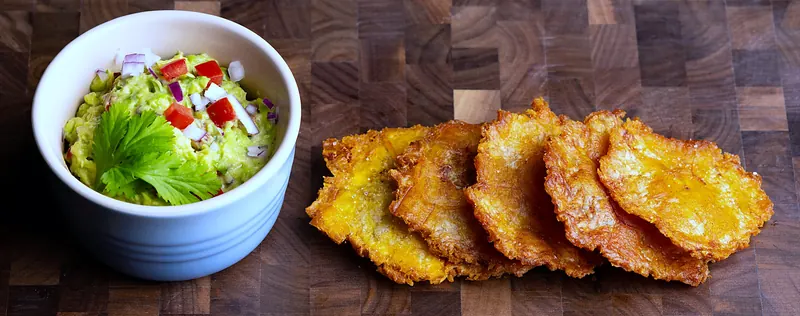
The night fry stands: chicharrón, fried chicken (pica pollo), salami, tostones, and yuca frita by the pile, with ketchup-mayo and a freezing beer. The capital's after-dark canteen, colmado-adjacent and priced for the street.
Where it comes from: Pica pollo (spiced, breaded, deep-fried chicken) became a national industry of chains and street stands, and the fritura is its ecosystem: everything crisp, everything salted, everything shared from the tray. It is how Santo Domingo eats at 11 p.m., which is a normal dinner hour here in spirit.
How to eat it: At a stand with a crowd, order mixed, eat from the tray standing, Presidente at its legal freezing point ('vestida de novia', dressed as a bride, in the local phrase for the frost).
Yaroa
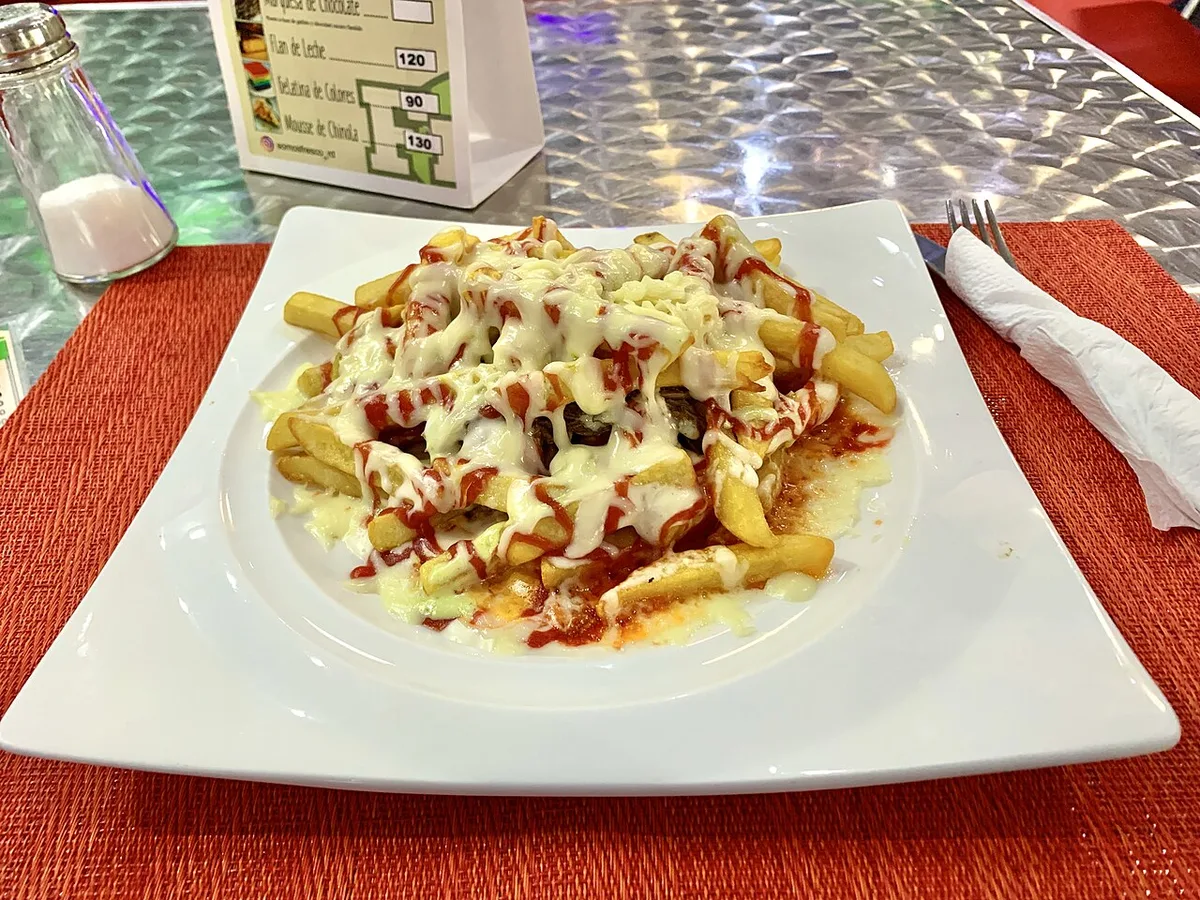
Santiago's gift to the capital's nights: a layered street casserole of fries (or mashed plantain), seasoned ground meat, and cheese sauce with ketchup and mayo, eaten with a spoon from a foam tray at 2 a.m. Glorious, indefensible, essential.
Where it comes from: The yaroa arrived from Santiago de los Caballeros' night stands and conquered the capital's after-hours: it is the loaded-fries idea perfected by addition (the plantain version is the connoisseur's). Food trucks now plate it; the foam tray remains the authentic vessel.
How to eat it: After midnight, shared, spoon each. Choose papa (fries) your first time, plátano maduro (sweet plantain) your second, and understand the city by your preference.
Mamajuana
The national maceration: rum, red wine, and honey steeped on bark, herbs, and roots in the bottle, poured in small glasses as digestif and folk remedy for everything. Every colmado and family keeps a bottle curing.
Where it comes from: Mamajuana begins with the Taíno herbal teas, takes the colonists' alcohol, and becomes the Dominican household's medicine cabinet and pride: the bottle is refilled for years, the recipe is the family's, and its powers are testified to with great specificity and no evidence. Drink it for the flavor first.
How to eat it: A small chilled shot after dinner, offered by a Dominican, with the claims received graciously. One is the tasting; the second is the testimony.
Street food, decoded
Santo Domingo runs on three institutions: the fonda serving la bandera at noon, the colmado running the corner all day, and the fritura stand lighting up at night. The Colonial Zone's restaurants are the city's showcase; these three are its engine, and they will feed you better per peso than anywhere in the capital.
Learn the hours and the system serves you: mangú at the fonda in the morning, the flag at twelve-thirty sharp, Chinatown on Sunday, the Malecón at dusk, and the fritura whenever the night suggests. The Presidente must be 'vestida de novia', frosted white; accept no warmer verdict.
The fonda (comedor)
The set-lunch house of la bandera and the day's guisado: plastic chairs, a chalked menu, the whole neighborhood at noon. The capital's true restaurant system.
The colmado
Corner store, bar, dominoes hall, delivery hub: buy a beer, take a plastic chair on the sidewalk, and the neighborhood's evening includes you.
The fritura stand
Night fryers of chicharrón, pica pollo, and tostones by the tray: eat standing, sauce stripes over everything, a second tray likely.
The Colonial Zone courtyard
Five-century-old houses turned restaurants around patios: Mesón D'Luís and its peers serve the canon in the first city's rooms, prices for the stones.
The Malecón stand
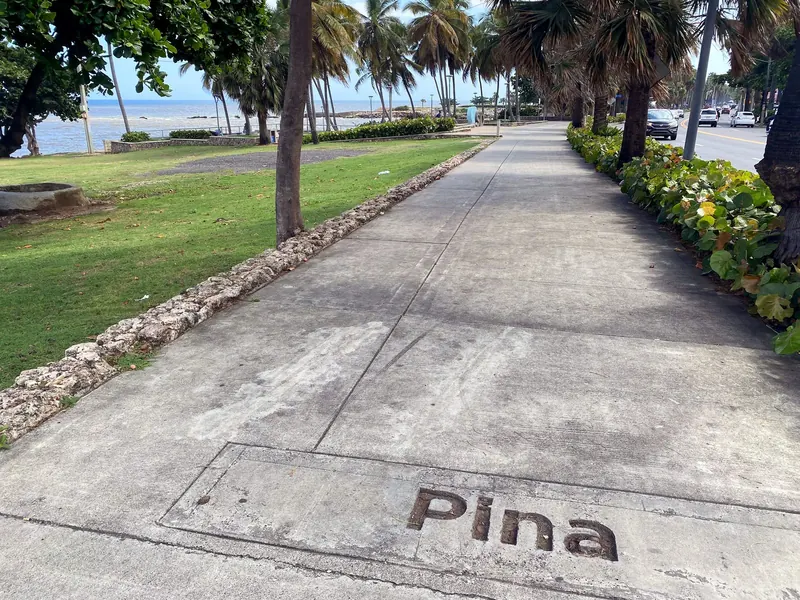
The sea drive's open-air grills and juice stands at dusk: fried fish, tostones, and the Caribbean in front of the whole city.
The yaroa truck
After-hours layered fries or plantain with meat and cheese sauce, spooned from the tray: the capital's official late-night food since Santiago sent it.
The rules that keep it safe and good
La bandera is a noon dish with a hard window: 12 to 2 is the flag's flight time, and the best fondas sell their guisado out.
A Presidente should arrive frosted ('vestida de novia'). A warm one is sent back by locals with ceremony; follow their law.
At the colmado, the first beer buys your chair; dominoes invitations are honors, and losing gracefully is the tuition.
Chinatown's market and dim sum peak Sunday morning: go then, hungry, and let the halls seat you in rounds.
In the Colonial Zone, walk one street off El Conde for the fondas the zone's own workers use, at half the postcard price.
The markets
Markets are where Santo Domingo actually shops and eats. Each one has a different job; go in the morning, when the food counters are at their busiest.
AMercado Modelo
The old market hall at the Zone's edge: crafts, paintings, rum, and larimar above, produce and food stalls at its streets. The tourist market with a working one inside it.
Eat: Juice and snacks at the street stalls; the hall is for the shopping.
BBarrio Chino (Sunday)
Chinatown's Sunday market on Calle Duarte: dim sum halls full by ten, street stalls of produce and Chinese-Dominican specialties under the arch. The capital's most delicious Sunday morning.
Eat: Dim sum in rounds, then the street: dumplings, roast pork, sweets.
CMercado de Honduras
The big neighborhood market of Villa Francisca: produce, meats, and comedores in a working hall, the city's provisioning without the postcard tax.
Eat: A bandera at the market's comedores with the shoppers, noon exactly.
DPlaza España and the Zone's Terraces
The plaza before the Alcázar, ringed with restaurant terraces: the Colonial Zone's evening salon, where the first city's tables fill at dusk.
Eat: Dinner on the plaza as the stones cool; order the chivo if the house is proud of it.
EThe Malecón Stands
The George Washington Avenue sea drive's food stands and open-air restaurants: fried fish and tostones facing the water, the capital's promenade canteen.
Eat: Fried fish with tostones at dusk, the sea doing the decorating.
Neighborhoods: 1 The Colonial Zone · 2 Gazcue and the Malecón · 3 Piantini and Naco · 4 Barrio Chino and Villa Francisca · 5 Santo Domingo EsteMarkets: A Mercado Modelo · B Barrio Chino (Sunday) · C Mercado de Honduras · D Plaza España and the Zone's Terraces · E The Malecón StandsPins mark neighborhood centers, so you can place each area against where you are staying. Taxi times under each neighborhood below are measured from Calle Las Damas.
1The Colonial Zone
The walled first city: Calle Las Damas (the Americas' oldest street), the first cathedral, courtyard restaurants, and El Conde's pedestrian bustle. History at every table, prices to match on the prime corners.
From Calle Las Damas: Calle Las Damas is the reference; you are there
2Gazcue and the Malecón
The old hotel district by the sea drive: embassies, the grand hotels, and the Malecón's open-air restaurants and food stands facing the Caribbean. The city's evening promenade.
From Calle Las Damas: 10 min on foot
3Piantini and Naco
The modern business districts: the capital's serious restaurant row, steakhouses and international rooms where Santo Domingo takes clients and celebrates. The new money's table.
From Calle Las Damas: 20 min by taxi
4Barrio Chino and Villa Francisca
The Chinatown of Calle Duarte (Sunday market, dim sum halls) and the old market streets around it: the city's immigrant tables and its best cheap eating in a few dense blocks.
From Calle Las Damas: 10 min on foot from the Zone
5Santo Domingo Este
Across the Ozama river: the working city of colmados, fritura stands, and the Faro a Colón's grounds. The capital's other half, eating its own bandera at its own prices.
From Calle Las Damas: 15 min by taxi over the bridge
The people behind the food
The names that explain how Santo Domingo cooks the way it does now.
Mesón de la Cava
Institution, since 1967
The cave restaurant: dining rooms inside a natural grotto the Taíno used and the city rediscovered, serving Spanish-Dominican classics to presidents and first dates alike. Santo Domingo's most storied room, underground and candlelit.
El Conuco
Institution, Gazcue
The restaurant built as a Dominican country house (thatched conuco style) serving the canon as a cultural exhibit that happens to feed you very well: bandera, sancocho, and folk music with the staff's full conviction.
The colmado owners
Craft, every corner
The colmadero runs the neighborhood's credit, news, beer temperature, and chair supply: an institution with a ledger and a memory. The good ones know your order by your second visit, which is the system's whole design.
Adrian Tropical
Institution, the Malecón
The beloved chain of open-air restaurants (the Malecón flagship) serving sancocho, mofongo, and the full Dominican menu to families at all hours: the capital's default celebration canteen, consistent for decades.
The fritura masters
Craft, the night stands
The fryers of the capital's evenings, whose chicharrón crackle and pica pollo spice are judged street by street. Their stands' queues are the city's most honest restaurant guide after dark.
If you only eat ten things here
La bandera at a fonda at 12:30, concon requested, Presidente frosted.
Mangú con los tres golpes for breakfast, onions on top, coffee strong.
Sunday in Barrio Chino: dim sum rounds and the market's noise.
A colmado evening: one beer, a sidewalk chair, dominoes observed.
Sancocho when it appears, avocado beside, seconds accepted.
Fritura at night: chicharrón, pica pollo, tostones, tray shared.
Yaroa after midnight, spoon in hand, papa first time.
Dinner in the Mesón de la Cava's cave, chivo and candlelight.
Fried fish on the Malecón at dusk, the Caribbean for a wall.
Habichuelas con dulce in Lent, from a colmado cup, logic surrendered.
Eating well here
la bandera
'The flag': rice, beans, meat at noon. Saying 'la bandera' at 12:30 in a fonda is a complete order.
mangú
The mashed plantain breakfast. 'Los tres golpes' adds the salami, cheese, and egg: order the full sentence.
colmado
The corner store-bar and social headquarters. The chairs on the sidewalk are the city's front porches.
vestida de novia
'Dressed as a bride': a beer so cold it frosts white. The only acceptable serving temperature.
concon
The crispy rice bottom (pegao's brother across the water). Request it with confidence.
pica pollo
The spiced fried chicken of the fritura stands and a hundred chains. The night's protein.
buen provecho
'Good appetite': exchanged between strangers' tables as national courtesy.
la cuenta, por favor
'The bill, please': fondas settle fast; the colmado's chairs are surrendered with genuine regret.
What is a colmado?
The corner store that is also a bar, a news exchange, and a dance floor waiting for a speaker: groceries by day, Presidente beers and dominoes by evening, delivery by a man who knows every address. The colmado is the Dominican neighborhood's true institution, and buying a beer there makes you briefly local.
Is lunch really the main meal?
Completely: la bandera at noon is the day's anchor, shops and offices empty for it, and the evening is lighter (fritura, sandwiches, the Malecón's snacks) unless the occasion is formal. Arrive at a fonda at 2:30 and the flag has been struck.
How is Dominican food different from Puerto Rican?
Cousins, not twins: the Dominican table runs on the bandera, mangú, and the stewed beans; the Puerto Rican on mofongo, arroz con gandules, and lechón. Shared: plantains, sofrito's family (here sazón and sofrito verde), the fry stands, and the certainty that one's own island does it best.
What is the Mesón de la Cava?
A restaurant built into a natural cave system under Gazcue, serving Spanish-Dominican classics in candlelit chambers since 1967: the capital's most theatrical dining room and a piece of its social history. Book the cave room; the paella and the chivo (goat) carry the menu.
Sweet endings?
Habichuelas con dulce: sweet red-bean cream with milk, spices, and little biscuits, cooked in vast pots for Lent and Holy Week, a dessert made of the lunch's beans and pure Dominican logic. In season it is everywhere; the colmados sell it by the cup.