Castillo San Felipe del Morro, Old San Juan, Puerto Rico. Photo via Wikimedia Commons.
How San Juan eats
San Juan eats from the pilón, the wooden mortar where green plantains are mashed with garlic and chicharrón into mofongo, the dish that contains the island's whole history: African technique, Taíno produce, Spanish pork. Around it the city's tables run from Old San Juan's five centuries of streets to La Placita's market by day and dance floor by night, from the Condado's hotel polish to the lechoneras up the Pork Highway an hour into the hills.
The pattern is generous: a chinchorro (a humble bar-food shack) for the fritters, a fonda for the rice and beans at lunch, the old town for the evening, and Guavate on a Sunday if the island gives you one. San Juan's cooking is not delicate and does not apologize; it is plantain, pork, sofrito, and rum, executed with total confidence.
Learn the foods
Start here, not with a restaurant. Learn what these foods are, where they come from, and how locals eat them, and the whole city opens up: every menu, every market, every street corner starts making sense.
Mofongo
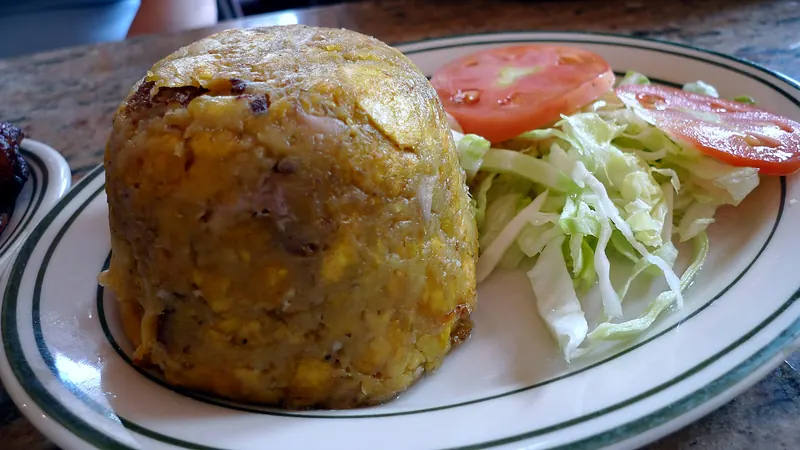
The island's signature: fried green plantains mashed in the pilón with garlic, chicharrón, and broth into a dense dome, served plain with broth or stuffed (relleno) with chicken, shrimp, or pork. Heavy, garlicky, and completely Puerto Rican.
Where it comes from: Mofongo descends from the West African fufu by way of the island's kitchens, the plantain arriving with the trade winds and the mortar older than both empires. The pilón work is the craft: too little garlic is a failure, too much broth a collapse, and every fonda's version carries its cook's handwriting.
How to eat it: Relleno for the full experience, the broth poured as you go, a simple salad beside. It is a lunch that ends plans; schedule accordingly and proudly.
Lechón and the Pork Highway
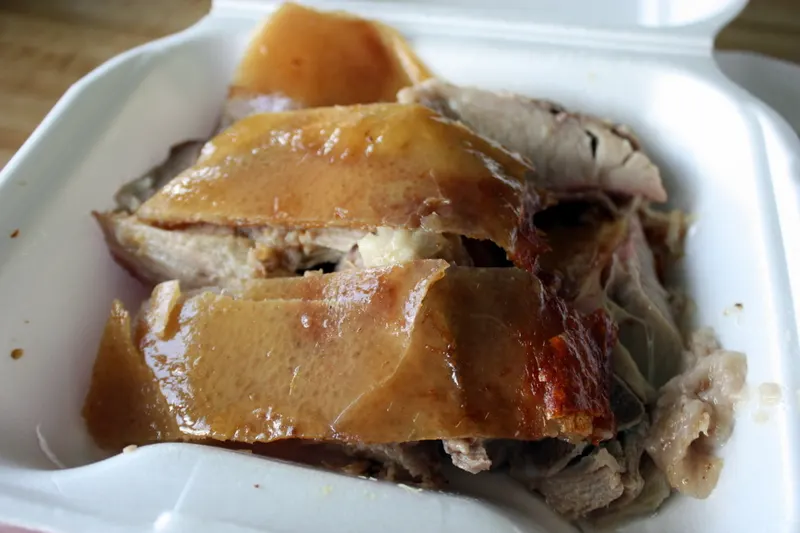
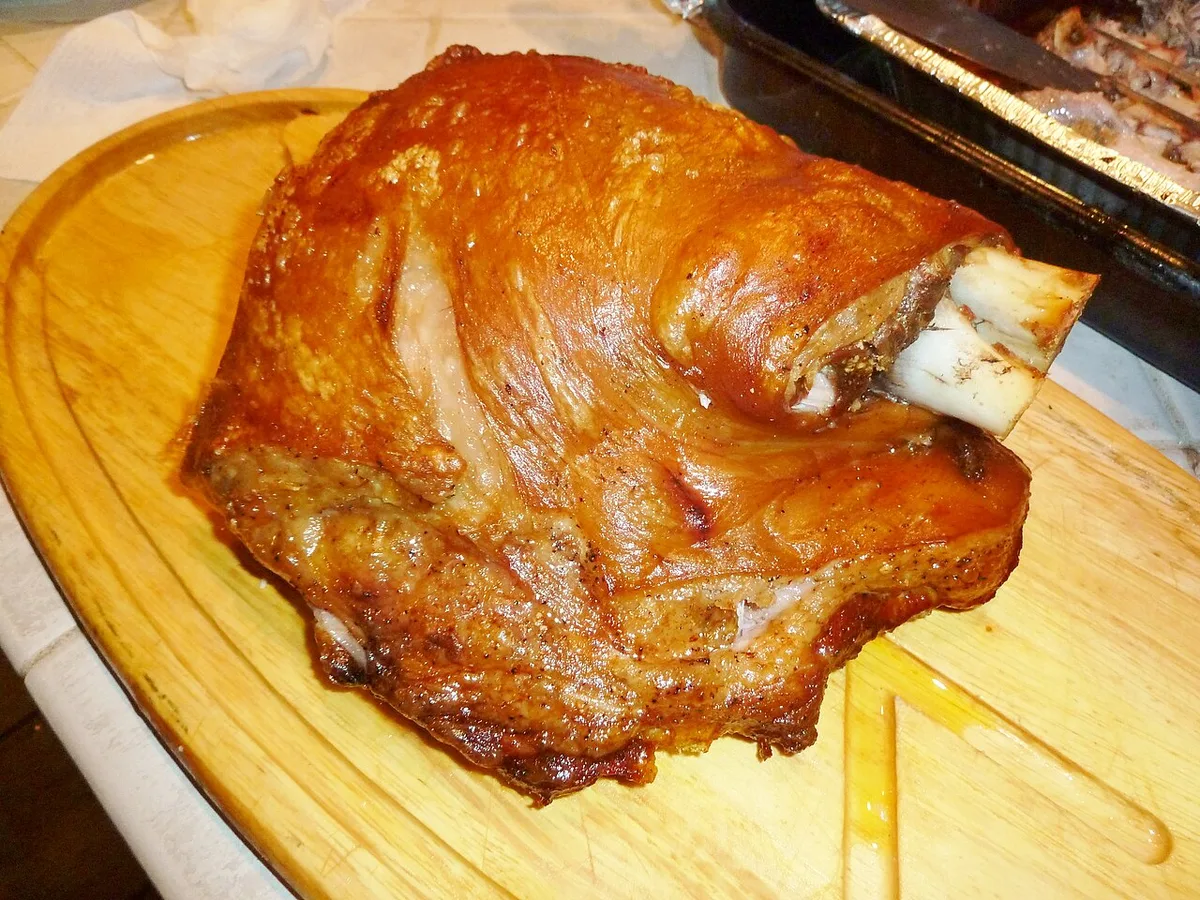
Whole pigs roasted on spits at the lechoneras of Guavate (Cayey), an hour into the mountains: crisp skin (cuerito), juicy meat, with arroz con gandules, morcilla, and pasteles. The Sunday pilgrimage of the whole island.
Where it comes from: Guavate's Ruta de Lechón turned a mountain road into a national institution: dozens of roast houses, live music, and families arriving by the carload every weekend. The lechón is seasoned with adobo and patience, eight hours a pig, and the cuerito is fought over by grandmothers with seniority.
How to eat it: Sunday, early (the road fills by noon), a pound plate with cuerito, rice with pigeon peas, and a Medalla beer. Order by weight, eat at the long tables, music included.
Arroz con gandules
Rice with pigeon peas, sofrito, and pork: the island's festive rice, cooked in the caldero until the bottom crisps into pegao, the crunchy layer everyone claims. Christmas's plate and every lechonera's foundation.
Where it comes from: The gandules came from Africa, the sofrito is the island's own (recao, ajíes dulces, onion, garlic), and the pegao is the caldero's gift: a properly raised Puerto Rican cook is judged by the rice pot. At Christmas it anchors the table beside lechón and pasteles, the island's holy trinity.
How to eat it: Ask for pegao without shame; it is the polite request. With beans (habichuelas) over or beside, depending on the house's school.
The fritters: alcapurrias and bacalaítos
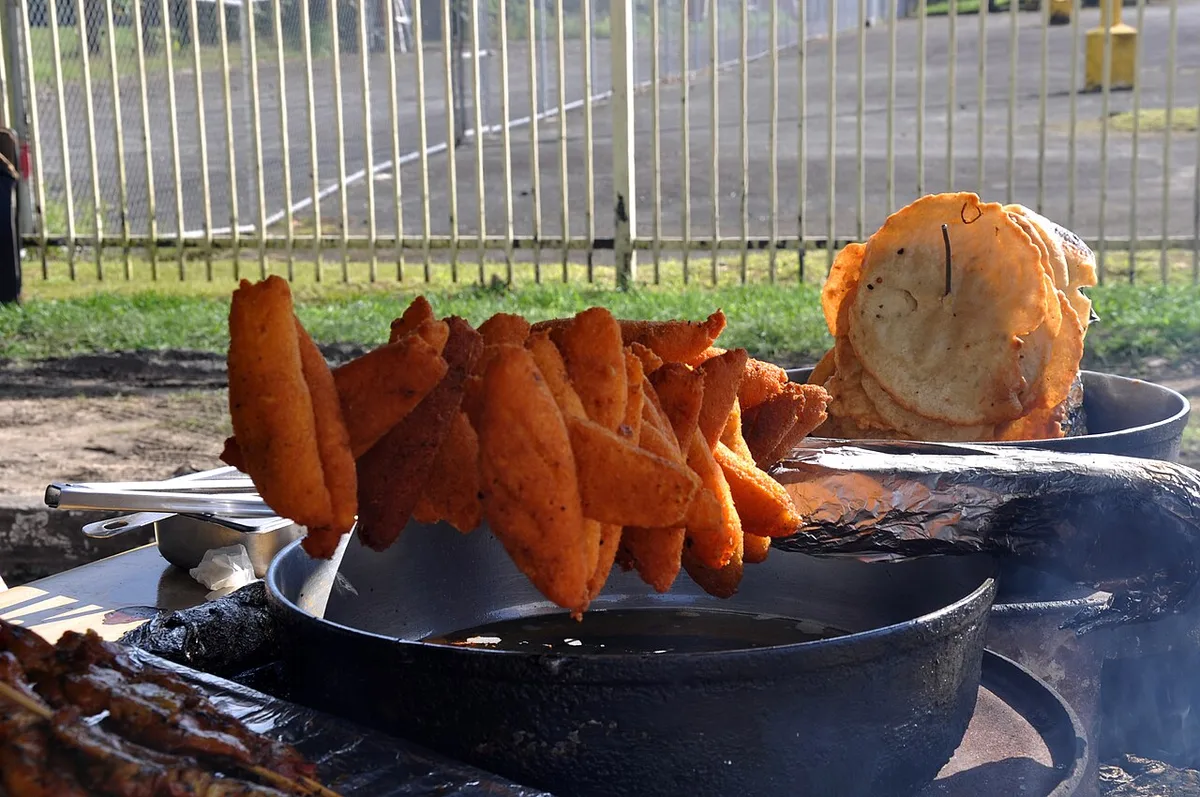
The chinchorro canon: alcapurrias (yuca or plantain masa stuffed with picadillo, fried crisp) and bacalaítos (lacy codfish fritters the size of your face), plus piononos and rellenos de papa. Fried at kiosks, eaten with the fingers, priced for everyone.
Where it comes from: The fritter is Loíza's gift and the coast's economy: the kiosk rows at Piñones fry to order all day, the masa colored with achiote, the bacalao salted and shredded. Chinchorreo (kiosk-hopping with drinks and music) is the island's beloved weekend sport, and the fritters are its equipment.
How to eat it: At Piñones, one of each, hot sauce (pique) with respect, coconut water or a cold beer in the other hand. Order small and often; the fryer rewards patience.
Pasteles and the Christmas table
Masa of green banana, plantain, and root vegetables, filled with seasoned pork, wrapped in banana leaf and boiled: the island's tamal, made in family assemblies (the masa line is a December institution).
Where it comes from: Pasteles are labor made edible: grating the masa by hand (now by machine, abuela permitting), the leaf's smoke, the sofrito's depth. Families make hundreds in a day, freeze them against the season, and guard recipes like deeds. A restaurant pastel in December is good; a family's is a document.
How to eat it: Unwrapped at the table, ketchup the controversial local flourish (declare your side quietly). At Christmas, with coquito; the pairing is law.
The piña colada, at both birthplaces
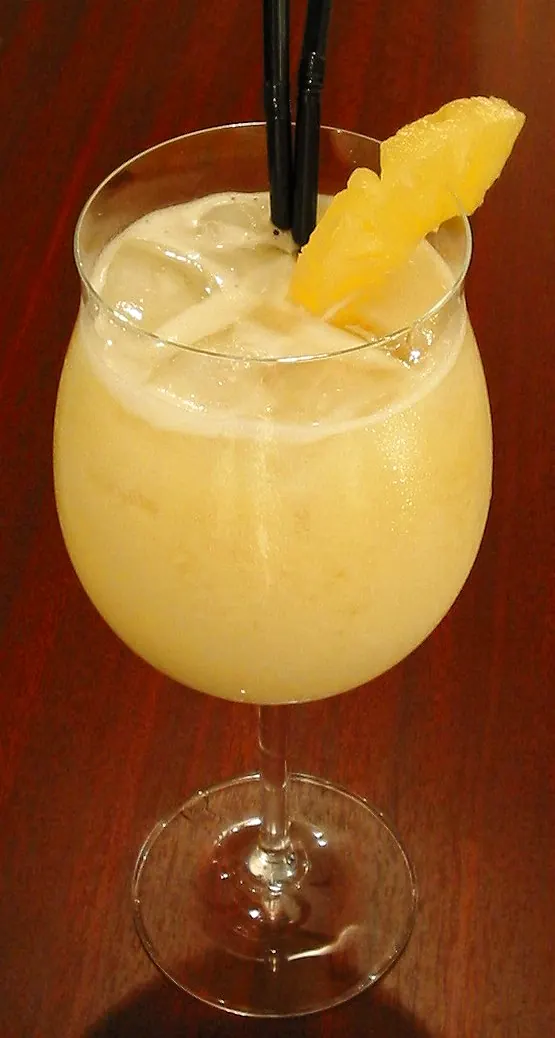
Puerto Rico's national drink (officially, since 1978) has two claiming homes in San Juan: the Caribe Hilton (1954, Ramón 'Monchito' Marrero) and Barrachina in the old town (1963, Don Ramón Portas). Pineapple, coconut cream, rum, ice: try both, judge kindly.
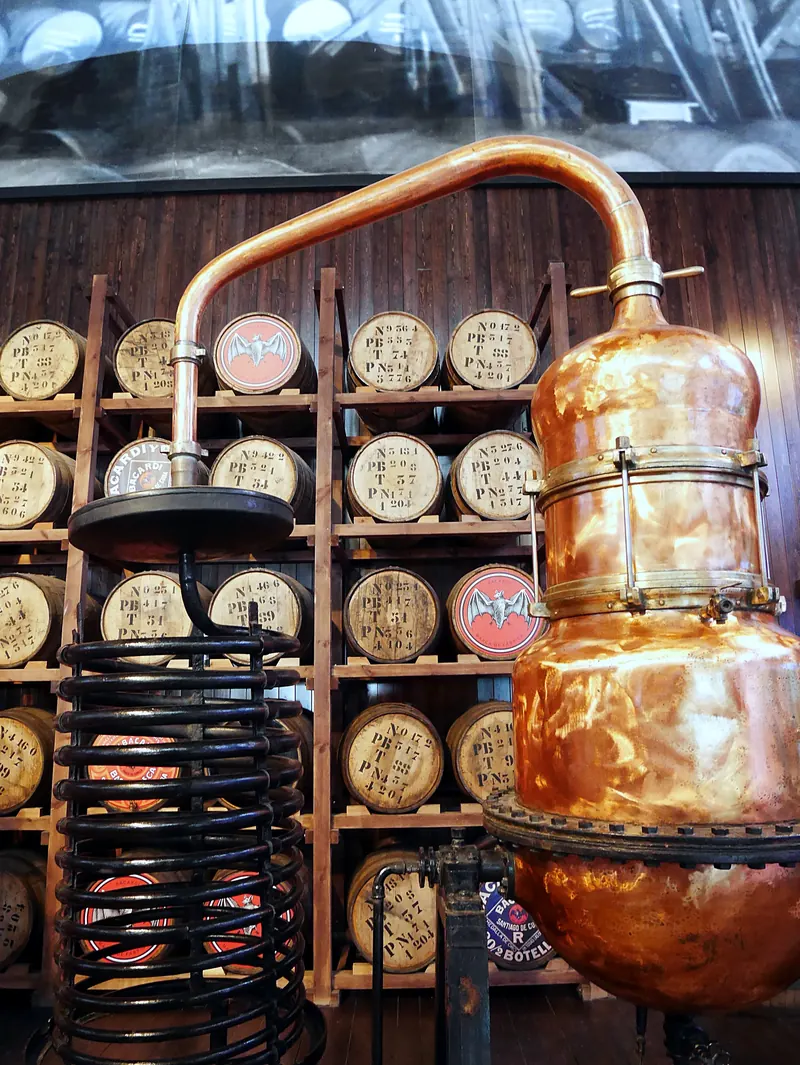
Where it comes from: The colada's argument is the island's friendliest war, plaques on both walls. What is settled: Puerto Rican rum (the Bacardí distillery across the bay in Cataño, the Serrallés house in Ponce) built the drink, and the island drinks it frozen and proud.
How to eat it: One at Barrachina (the plaque, the old town), one at the Caribe Hilton's bar (the hotel, the view), and the verdict delivered to no one, diplomatically.
Coquito
The Christmas coconut nog: coconut milk and cream, rum, cinnamon, vanilla, made by families in November, gifted in recycled bottles, and drunk in small glasses all season. Puerto Rico's December in a bottle.
Where it comes from: Every family has a coquito hand and a recipe with a secret in it; bottles arrive as gifts with the giver's reputation attached. Outside December it is scarce by tradition, which is why finding it in summer at a fonda or market is a small holiday.
How to eat it: Cold, in a small glass, cinnamon on top. If a family offers theirs, the correct response is a second small glass and full attention to the recipe story.
Street food, decoded
San Juan's street food system is the chinchorro and the kiosk: fritters fried to order at Piñones and along every coast road, lechón by the pound up in Guavate, and La Placita's market stalls feeding the square before it turns into the night's dance floor. The fonda handles lunch (rice, beans, the day's stew), and the old town handles the evening.
The moves are simple: eat the fritters where they fry them, follow the lunch crowd to the fonda, take the old town at golden hour, and end at La Placita where the market's day shift hands the square to the music. Sunday belongs to the Pork Highway, and no itinerary outranks it.
The chinchorro
The open-air fritter-and-drinks shack: alcapurrias, bacalaítos, music, and the island at ease. The basic unit of Puerto Rican joy, cash and patience accepted.
The fonda lunch
Rice, beans, the day's meat, tostones: the working lunch at set price, served fast to the neighborhood. Old San Juan and Santurce keep classic rooms.
La Placita, two shifts
Market by day (produce, fondas, juice) and the city's plaza party by night (bars, salsa, the square full). Attend both shifts for the full document.
The lechonera
Guavate's roast houses: pig on the spit, plates by the pound, long tables, live bands. Sunday's cathedral of pork, an hour up the mountain road.
The old town cocktail bar
La Factoría and its peers behind unmarked doors: the craft scene that made San Juan a world bar city, in rooms older than most countries.
The bakery (panadería)
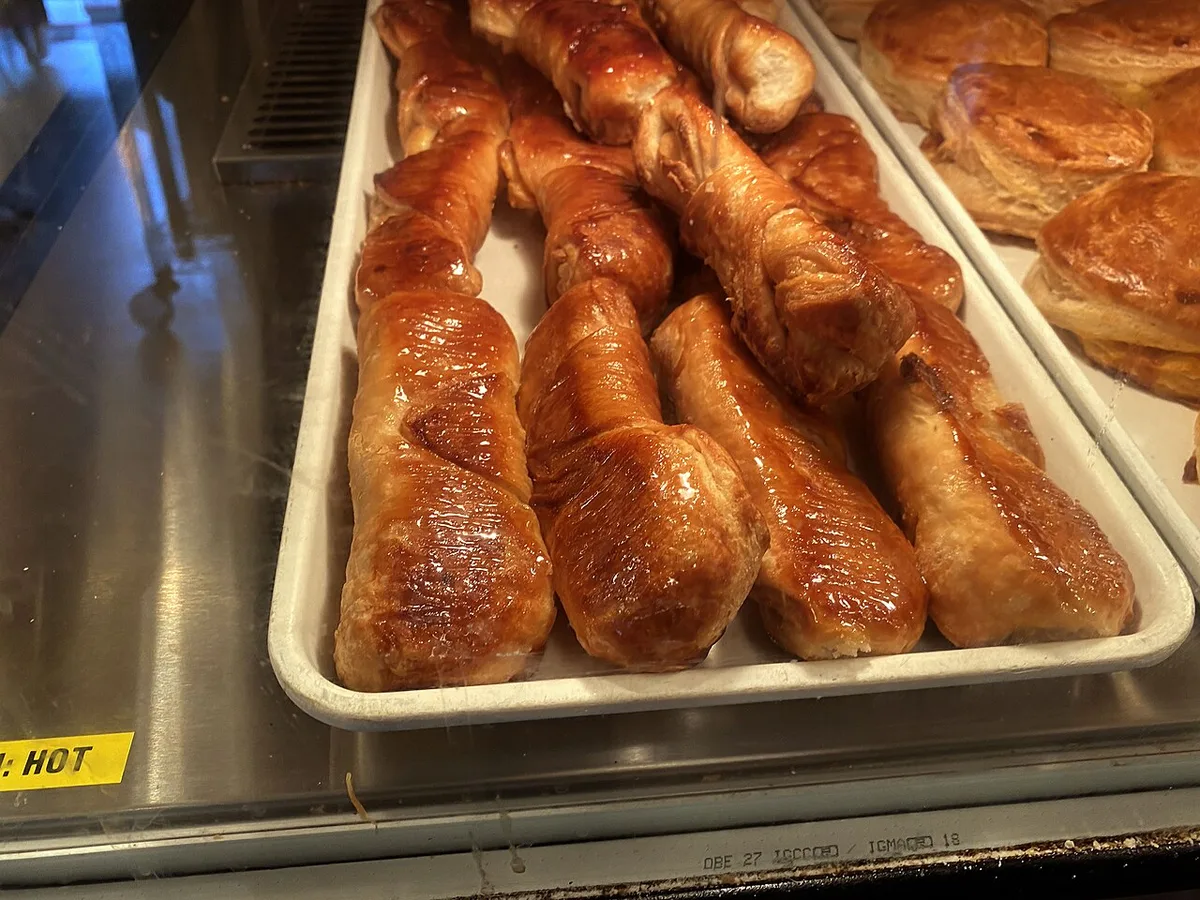
Quesitos, mallorcas dusted in sugar, café con leche at the counter: the island's breakfast institution, in every neighborhood, from before dawn.
The rules that keep it safe and good
Mofongo is a commitment: order it at lunch and plan the afternoon loosely. Relleno de pollo (chicken) is the gentlest introduction.
Pegao is requested, not apologized for: the crispy rice bottom is the caldero's prize and asking marks you as educated.
At Piñones, order at the kiosk window and wait for your name: the fritters fry to order and the queue is the entertainment.
La Placita's Thursday-to-Saturday nights fill the square completely: go early for the market shift, stay as the music takes it, taxi home.
Guavate on Sunday: arrive before noon or accept the festive traffic as part of the liturgy. The cuerito sells out first, everywhere.
The markets
Markets are where San Juan actually shops and eats. Each one has a different job; go in the morning, when the food counters are at their busiest.
ALa Placita de Santurce
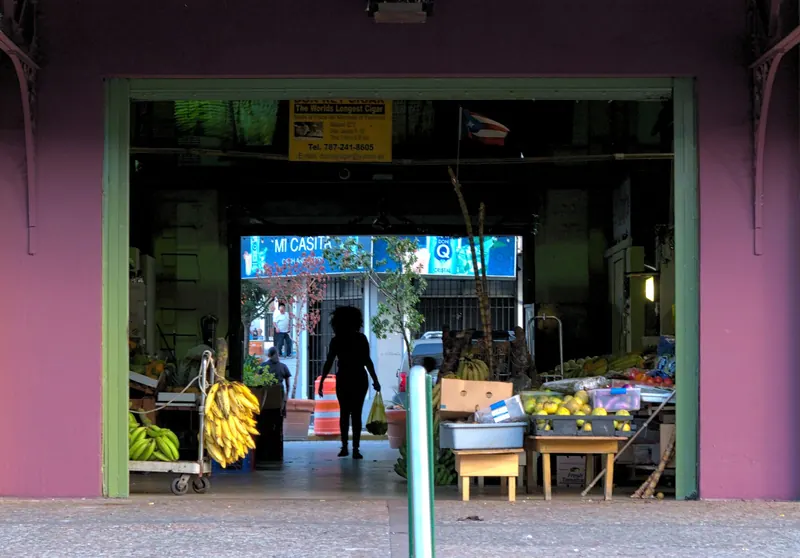
The Plaza del Mercado: produce stalls and fondas by day under and around the market hall, the square ringed with bars for the night shift. San Juan's two-hearted center.
Eat: Day: juice and a fonda lunch inside. Night: the square itself, bar to bar.
BPiñones Kiosk Row
Loíza's boardwalk strip of fritter kiosks along the coast road and beach: alcapurrias, bacalaítos, coconut, and sea air, the chinchorreo's home stadium.
Eat: One fritter per kiosk, pique with care, coconut water from the shell.
CPlaza del Mercado de Río Piedras
The big workaday market by the university: produce, herbs, botanicas, and fondas, where the island's everyday shopping happens at local tempo and prices.
Eat: A fonda lunch at the market's counters; the herb stalls for the sofrito lesson.
DCalle Fortaleza and the Old Town Rows
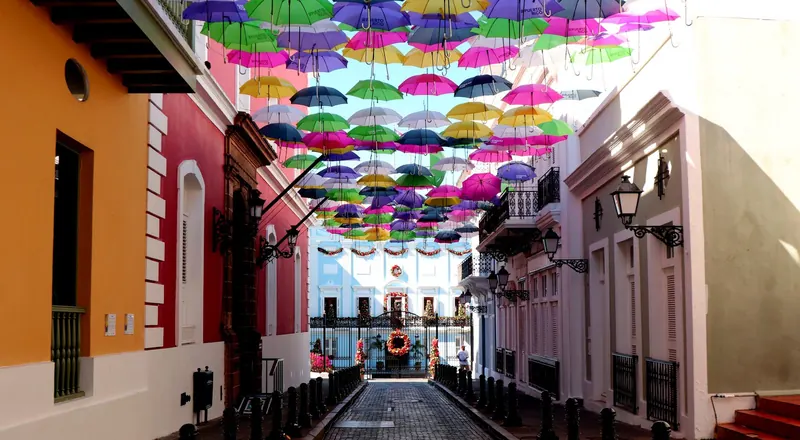
The walled city's dining streets under the umbrella canopy: restaurants, bars, and cafes in the colonial facades between the forts, busiest at the golden hour.
Eat: Cocktails at La Factoría, dinner one street off the main run for value.
EGuavate (the Pork Highway)
Route 184 in Cayey: the lechonera strip in the mountains, roast pigs turning from morning, an open-air market of pork and music every weekend.
Eat: Lechón by the pound with cuerito, arroz con gandules, morcilla for the brave.
Neighborhoods: 1 Old San Juan · 2 Santurce and La Placita · 3 Condado and Miramar · 4 Isla Verde · 5 Piñones (Loíza)Markets: A La Placita de Santurce · B Piñones Kiosk Row · C Plaza del Mercado de Río Piedras · D Calle Fortaleza and the Old Town Rows · E Guavate (the Pork Highway)Pins mark neighborhood centers, so you can place each area against where you are staying. Taxi times under each neighborhood below are measured from El Morro.
1Old San Juan
The walled city of blue cobblestones: El Morro's lawn, Calle Fortaleza's umbrella canopy, the fondas and cocktail bars (La Factoría's fame) between the forts. Five hundred years of eating within seven square blocks.
From El Morro: El Morro is the reference point; you are there
2Santurce and La Placita
The market square that is a produce market by day and the city's open-air party by night: fondas, chinchorros, and bars around the plaza, murals on every wall. San Juan's living room, both shifts.
From El Morro: 15 min by taxi
3Condado and Miramar
The beachfront hotel strip and its residential twin: the polished restaurants, the brunch terraces, and Ashford Avenue's evening tables, a bridge away from the old town.
From El Morro: 10 min by taxi
4Isla Verde
The airport-side beach: hotel row in front, and behind it the local strip of fondas, bakeries, and chinchorros on Isla Verde Avenue where the neighborhood actually eats.
From El Morro: 20 min by taxi
5Piñones (Loíza)
East along the coast road: the Afro-Puerto Rican town of Loíza and its boardwalk of fritter kiosks, alcapurrias and bacalaítos fried to order, coconut water from the shell. The city's great food excursion, 30 minutes away.
From El Morro: 30 min by taxi along the coast
The people behind the food
The names that explain how San Juan cooks the way it does now.
La Factoría
Institution, Old San Juan
The bar that carried San Juan onto the world's best-bars lists: a labyrinth of rooms behind a plain door on Calle San Sebastián, lavender mules and a dancing back room. The craft scene's founding house, still its standard.
Barrachina
Institution, Old San Juan
The Fortaleza street restaurant with the plaque: piña coladas by the thousand in a colonial courtyard since 1963, and a claim on the drink's invention it defends with a smile. History, served frozen.
The Guavate lechoneros
Craft, Cayey
The roast masters of the Pork Highway (Los Pinos and El Rancho Original among the famous), turning whole pigs for eight hours over the coals every weekend of the year. Their cuerito is the island's most contested bite.
The Piñones kiosk families
Craft, Loíza
The fritter families of the boardwalk, frying Loíza's African-rooted canon to order for generations: their alcapurrias are a heritage food with a beach attached.
Casa Bacardí
Institution, Cataño
The great rum house across the bay (the 'Cathedral of Rum'), where the Bacardí family's Cuban exile rebuilt an empire: tours, tastings, and the bat over the harbor. The ferry from the old town is the correct approach.
If you only eat ten things here
Mofongo relleno at a fonda, broth poured, afternoon cleared.
Guavate on a Sunday: lechón, cuerito, arroz con gandules, music.
Piñones at golden hour: alcapurria, bacalaíto, coconut, the boardwalk.
La Placita twice: market lunch, then the night shift in the square.
A piña colada at Barrachina and one at the Caribe Hilton, verdict withheld.
La Factoría's rooms in the old town, the lavender mule, the back room's salsa.
A mallorca and café con leche at a panadería counter, morning.
Pegao, requested proudly, with habichuelas at a fonda lunch.
Pasteles in season, banana leaf opened at the table, coquito after.
El Morro's lawn at sunset, kite up, old town dinner below.
Eating well here
mofongo
The mashed plantain dome. 'Relleno' (stuffed) is the full form; the pilón is the tool and the shrine.
The crisp rice layer at the caldero's bottom. Ask for it; receive respect.
chinchorro
The humble fritter-and-drinks shack. A chinchorreo is the crawl between them.
pique
The house hot sauce, often a bottle of peppers steeping in vinegar. Drops, not splashes, until calibrated.
cuerito
The lechón's crisp skin. The first thing to eat and the first to vanish.
buen provecho
'Good appetite': said to strangers at the next table, and meant.
la cuenta, por favor
'The bill, please': at the lechonera you pay at the counter, plate first, by weight.
Barrachina or Caribe Hilton for the piña colada?
Both, once, for the plaques and the pleasure of the argument; San Juan's cocktail crown belongs to the craft bars of the old town (La Factoría and its family of rooms) where the island's bartenders now run one of the world's respected bar scenes. The colada is the history; the scene is the present.
Is Guavate worth the drive?
On a Sunday, it is the island's essential excursion: lechón at its source, mountain air, live music, and the whole of Puerto Rico at lunch. Go early, rent the car or book the driver, and eat the cuerito first. Weekdays are quieter and still fine; Sunday is the festival.
What is a chinchorro?
A small, humble, usually open-air bar and fritter shack: cheap drinks, fried food, music, no pretension, and the heart of the chinchorreo (the kiosk crawl). Piñones is the famous row; every coast road has its own. Cash helps; dancing happens.
Old San Juan dining: tourist prices?
The prime streets charge for five centuries of scenery, but the fondas one block off the postcard run (and the old town's lunch specials) feed the city at city prices. Judge by the lunch crowd: uniforms and office workers beat views.
When is the Christmas food season?
Long: Puerto Rico's Christmas runs from Thanksgiving into mid-January (the San Sebastián street festival closes it), and the pasteles, lechón, and coquito peak with it. Book the old town early for the SanSe weekend; the whole island attends.