Tacos al pastor, seven moles, and two-Michelin-star dining rooms
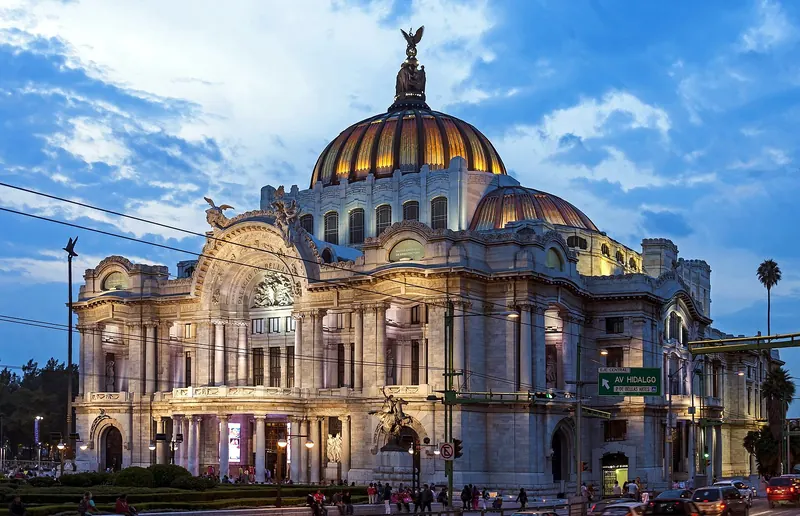
The Zócalo, Mexico City's main square. Photo via Wikimedia Commons.
How Mexico City eats
Mexico City is one of the great food cities of the world, running the full range from 10-peso street tacos to tasting menus that rank among the planet's best. The Michelin Guide published its first Mexico selection in 2024 and immediately gave two stars each to Pujol and Quintonil; a tiny taquería, El Califa de León, became the first taco stand in the world to earn a star.
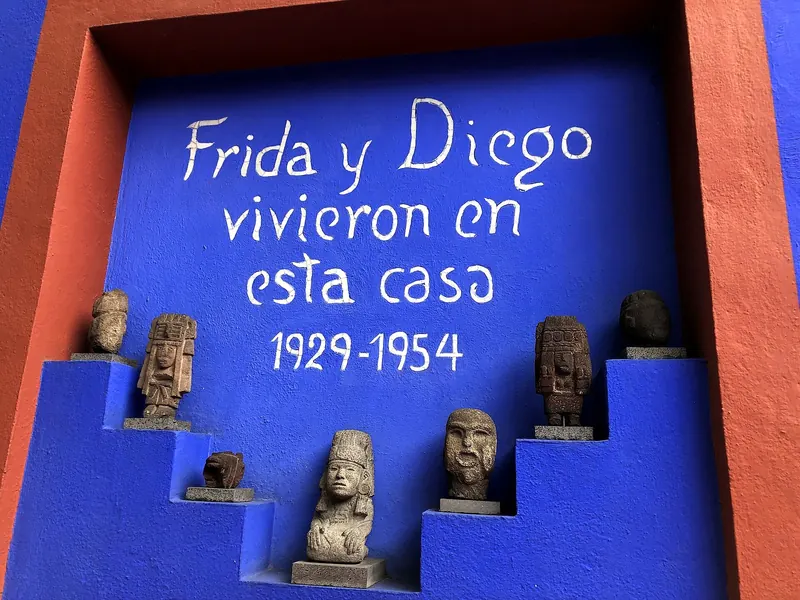
The eating maps onto the neighborhoods: Polanco holds the fine dining flagships, Roma Norte and Condesa pack the densest restaurant rows in the city, the Centro Histórico does classic breakfasts and moles in colonial courtyards, and Coyoacán pairs Frida Kahlo's Blue House with some of the best contemporary Mexican cooking anywhere. Street food is not a sideshow here; it is the main event for most residents, every day.
Learn the foods
Start here, not with a restaurant. Learn what these foods are, where they come from, and how locals eat them, and the whole city opens up: every menu, every market, every street corner starts making sense.
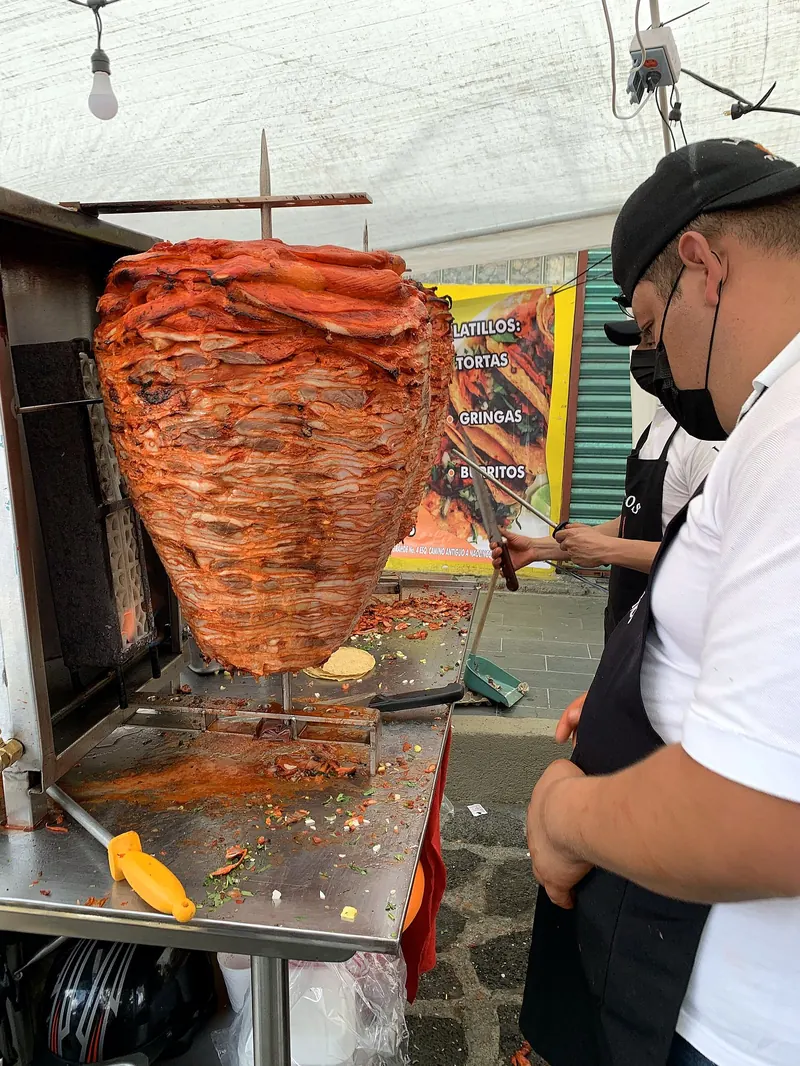
Tacos al pastor
The city's defining taco: pork shaved off a vertical trompo, with pineapple, onion, and cilantro. Born from Lebanese immigrants' shawarma technique, perfected on Mexico City street corners. Eat them standing up, two at a time minimum.
Where it comes from: Lebanese immigrants brought the shawarma spit to Mexico in the early 1900s. Mexico City swapped the lamb for pork, the spit became the trompo, and somebody added the pineapple. The result is the taco the whole city runs on.
How to eat it: Order two at a time, 'con todo', standing at the counter. The taquero flicks the pineapple off the top of the trompo and catches it on your tortilla. Fold once, eat immediately, order two more.
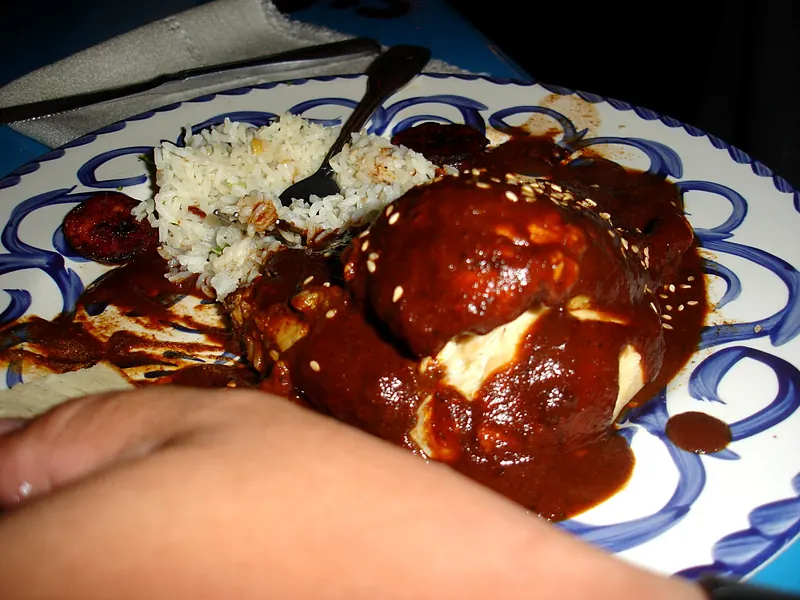
Mole
Mexico City is the best place to taste the full mole range in one trip: mole poblano at El Cardenal, mole negro at Azul Histórico or Los Danzantes, white mole at Rosetta. Each is a days-long preparation of chiles, nuts, chocolate, and spice.
Where it comes from: Mole means sauce, from the Nahuatl molli, and the great ones are days of work: dried chiles, nuts, seeds, spices, stale tortilla, sometimes chocolate, all ground, fried, and simmered into one thing. Puebla's convent kitchens are the legend; every region guards its own version.
How to eat it: Taste it neat on a warm tortilla before it ever touches chicken. On a single trip, try poblano, negro, and a white mole side by side: they are three different cuisines wearing one name.
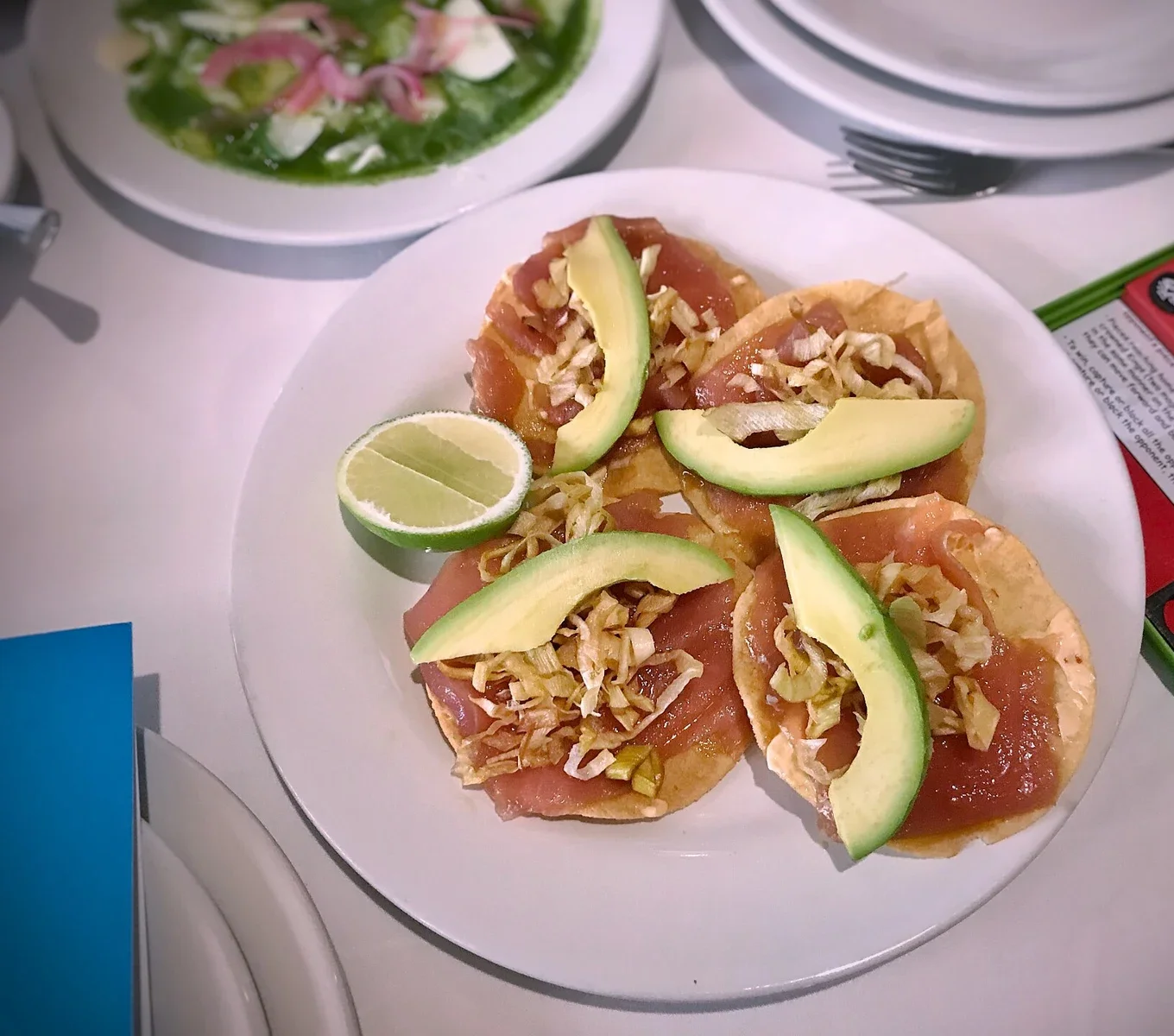
Tostada de atún
Contramar's crisp tuna tostada, bright with lime and chipotle mayo, is the single most imitated dish in the city's modern canon. Order it alongside the pescado a la talla for the full Contramar lunch.
Where it comes from: Gabriela Cámara opened Contramar in 1998 and put raw tuna, chipotle mayo, and crispy fried leeks on a crisp tostada. It became the most imitated dish in modern Mexico City cooking.
How to eat it: With your hands, one per person at minimum, at lunch. Comida is the main meal of the day here, and Contramar at 2pm is the city at its best.
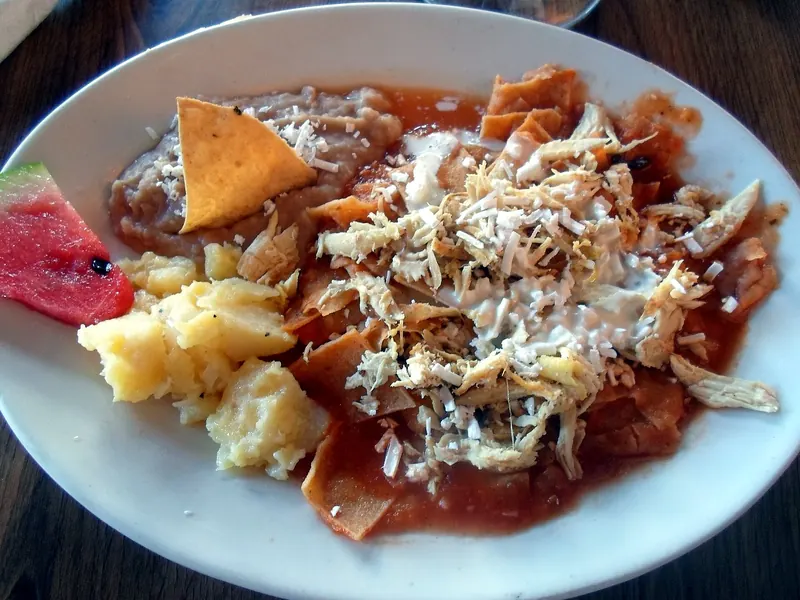
Chilaquiles
The definitive Mexican breakfast: fried tortilla chips simmered in red or green salsa, topped with crema, cheese, onion, and often a fried egg. El Cardenal's verdes are a benchmark; every fonda has its own version.
Where it comes from: Yesterday's tortillas, cut and fried, reborn in salsa at breakfast. The dish exists because nothing in a Mexican kitchen goes to waste, and it happens to be the best morning-after food ever designed.
How to eat it: Verdes (tomatillo) or rojos (tomato and chile); add a fried egg or shredded chicken. Eat the moment the plate lands: the chips soften by design and wait for no one.
Chile en nogada
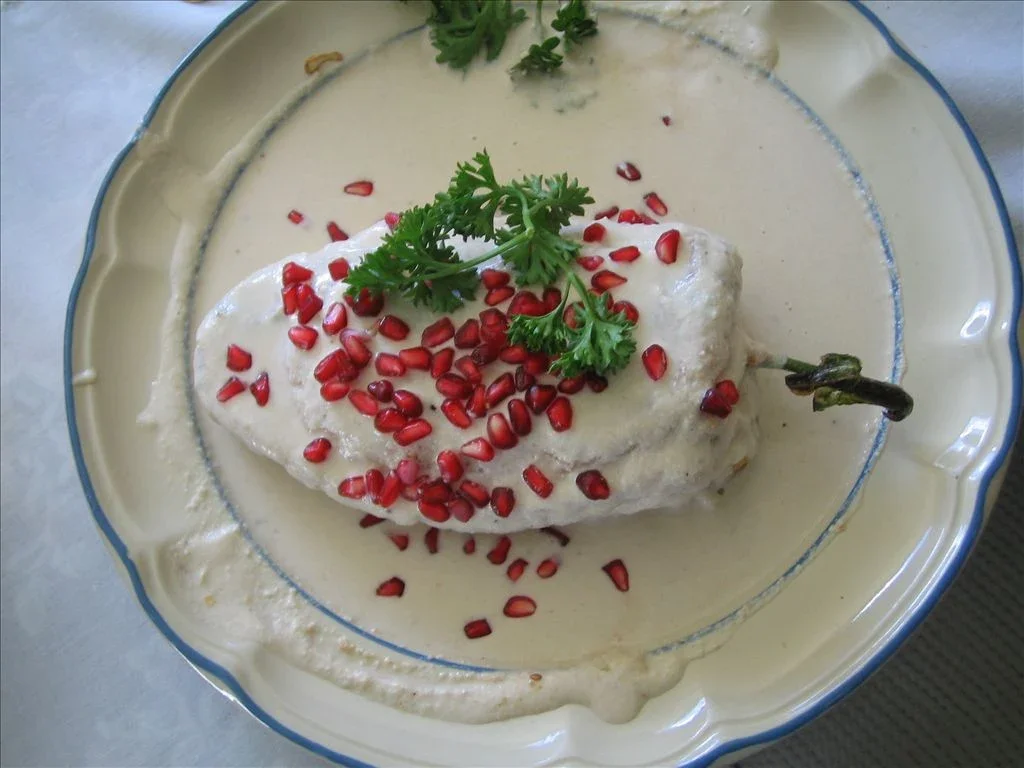
The seasonal showpiece (August-September): a poblano chile stuffed with meat and fruit, covered in walnut cream and pomegranate seeds, the colors of the Mexican flag. El Cardenal, Azul Histórico, and Nicos all do celebrated versions.
Where it comes from: Puebla, 1821: the story goes that nuns created it for Agustín de Iturbide, green chile, white walnut sauce, red pomegranate: the flag on a plate. It can only exist in late summer, when the walnuts, pomegranates, and panochera apples are ripe at the same time.
How to eat it: In season only, served barely warm so the nogada stays silky. Good places sell out by mid-afternoon: go at comida, not dinner.
Chocolate caliente
Mexican hot chocolate, thick and spiced with cinnamon, is a different drink from its European cousin. El Cardenal's Doña Olivia is the famous pour; Azul Histórico does a tableside Oaxacan-style version.
Where it comes from: Cacao is Mesoamerica's gift to the world. The Aztecs drank it bitter and frothed; the Spanish added sugar and cinnamon; the wooden molinillo whisk still does the frothing today. In Mexico City it is a breakfast drink, not a dessert.
How to eat it: Dunk a warm concha and let it soak up the chocolate. If the cup arrives with a head of foam, it was whisked properly.
Tamales
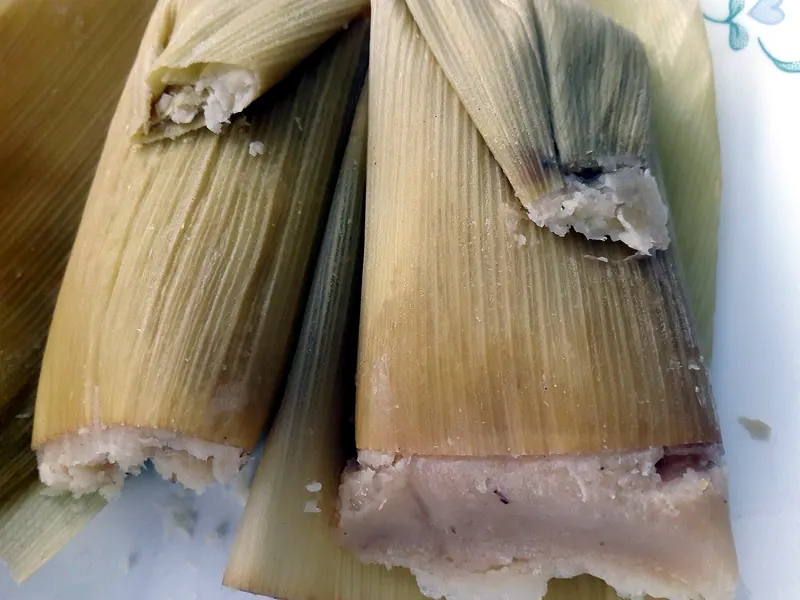
Masa and filling steamed inside a corn husk: the original portable food, and still the city's morning fuel. Sold from steaming carts with atole at metro exits and bus stops.
Where it comes from: Tamales fed armies and workers for thousands of years before Mexico City existed. The morning tamal cart, announced by its steam whistle, is still how a large part of the city starts its day.
How to eat it: Unwrap at the stand and eat with your hands or a fork. Rajas con queso and salsa verde are the benchmarks. A tamal tucked inside a bolillo roll, a guajolota, is the full local breakfast.
Esquites y elotes
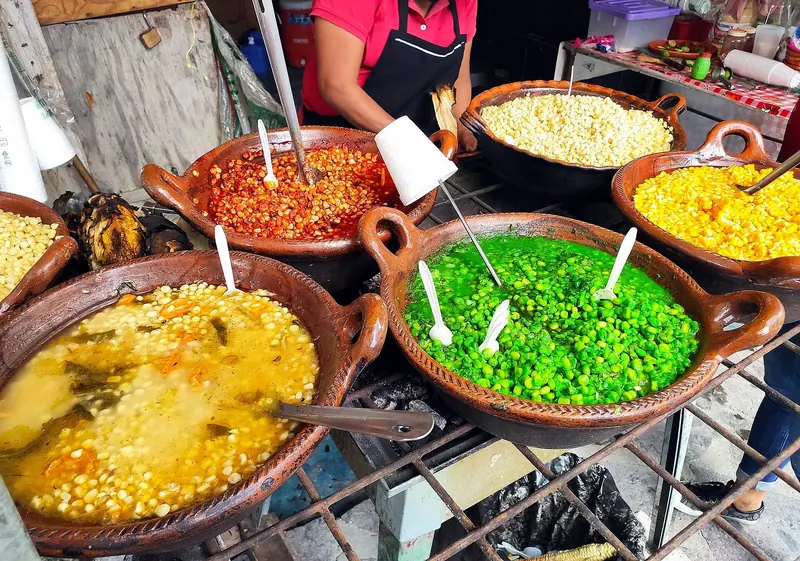
Corn from the evening carts: on the cob (elote) or in a cup (esquites), dressed with lime, salt, mayo, cotija cheese, and chile. The sweetest street snack in the city.
Where it comes from: Corn is the foundation of the whole cuisine, and the evening cart is where it is celebrated most simply. Esquites likely takes its name from the Nahuatl izquitl, toasted corn.
How to eat it: Choose your chile carefully: 'del que pica' is the one that bites, 'del que no pica' is not. Extra lime, eaten walking, after dark.
Street food, decoded
Street food in Mexico City is not the cheap version of restaurant food. It is the center of the city's food culture: the place where technique is oldest, competition is fiercest, and the food is most alive. A visitor who understands the street formats can eat better here for 200 pesos a day than in most dining rooms on earth.
The system is simple: small vendors, deep specialization, and crowds that vote with their feet every day. A stand that does one thing and does it badly is gone within months. That is the whole quality control system, and it works.
Tacos al pastor
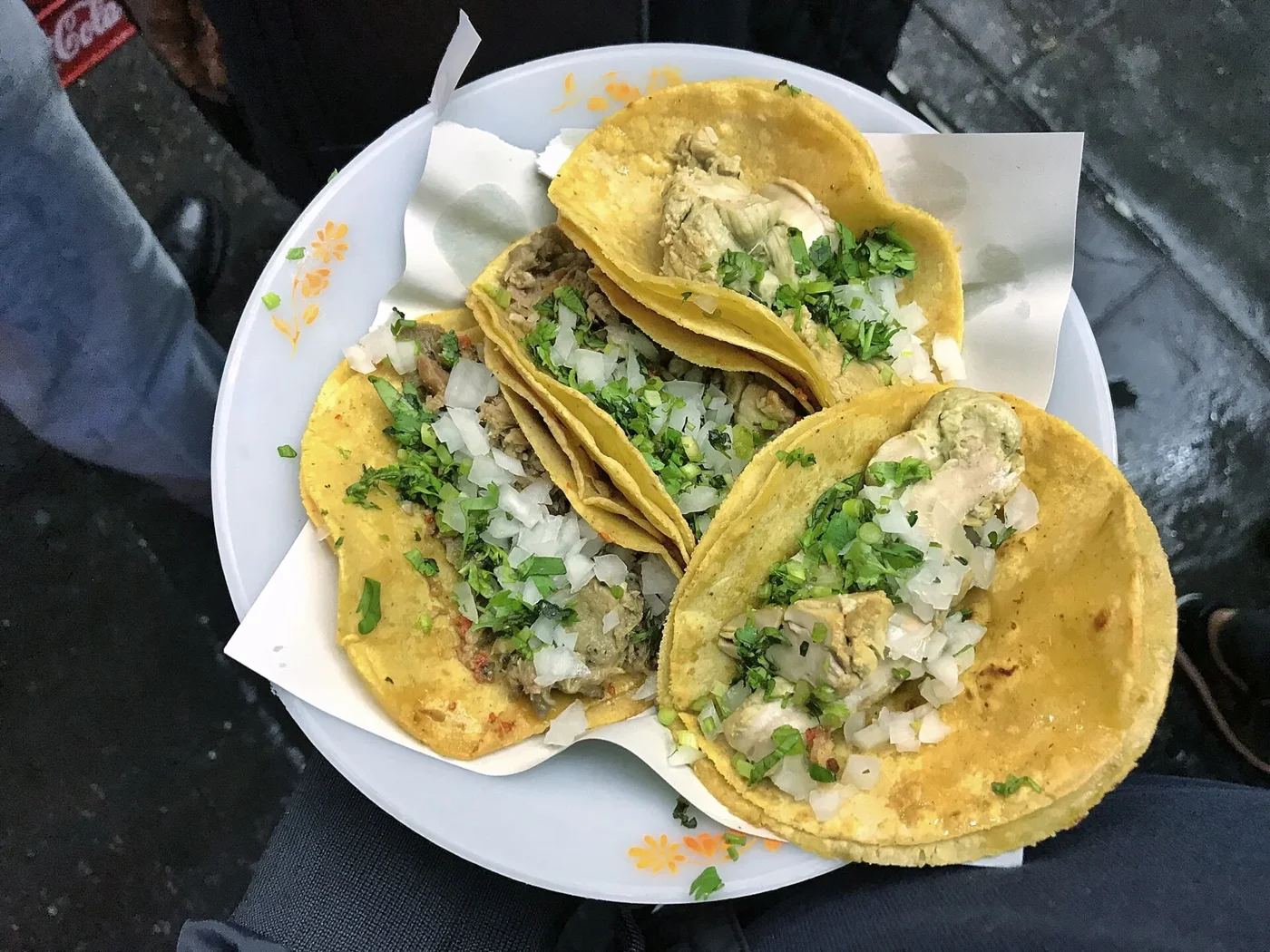
The defining format: pork shaved off a vertical trompo, flicked with pineapple straight onto a warm corn tortilla. Order two at a time, standing at the counter. Say 'con todo' for onion, cilantro, and salsa.
Suadero, tripa, and the plancha
The great flat grill where chopped meats bubble in their own fat. Suadero (the Mexico City signature cut, between brisket and flank) is the one to learn. Tripa (tripe, crisped) is for the second visit.
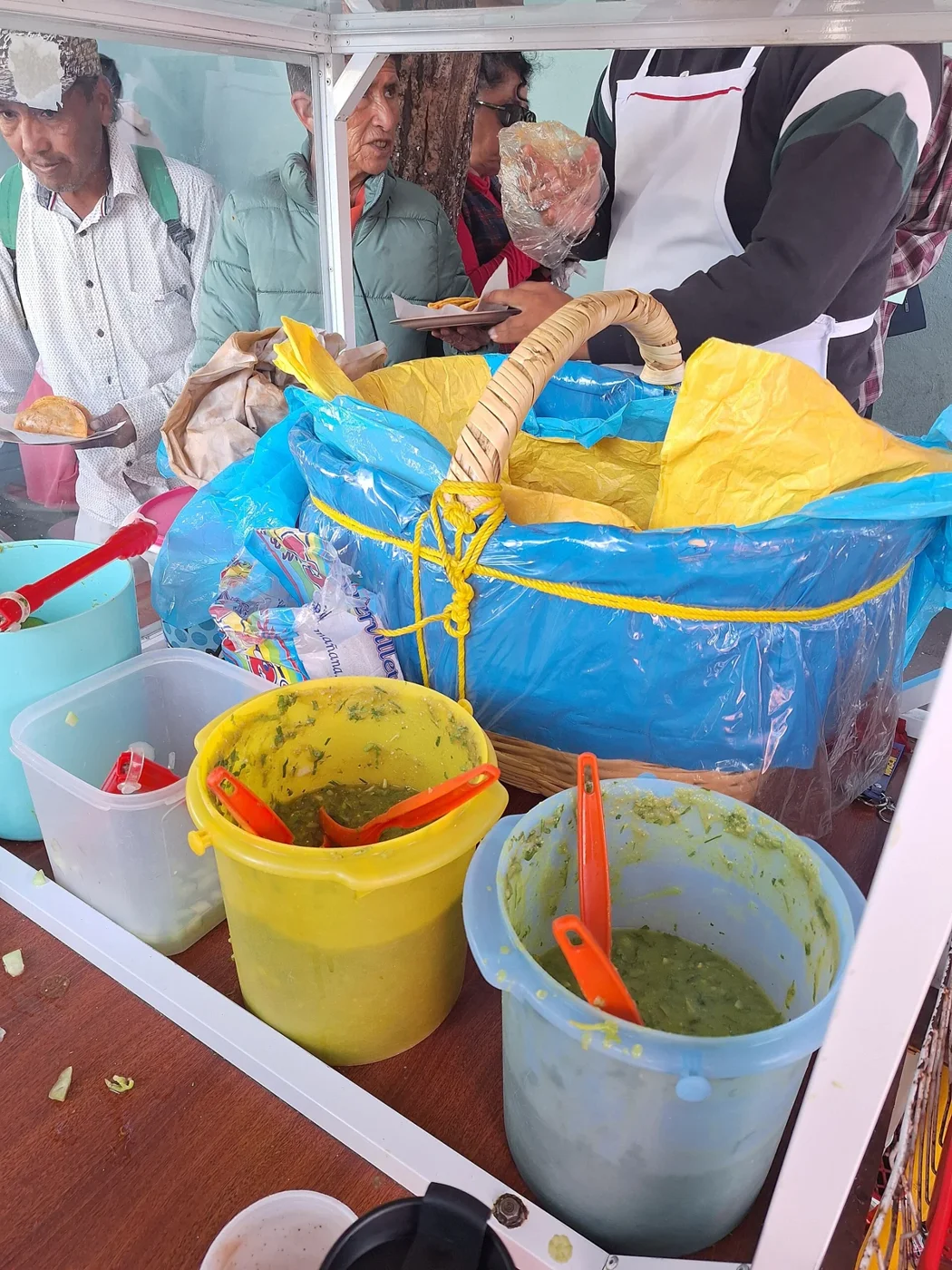
Tacos de canasta
Basket tacos: steamed in cloth inside a basket on a bicycle, sold from street corners in the morning. Chicharrón, potato, and bean are the classics, a few pesos each. When the basket is empty, the vendor is done.
Quesadillas, con queso or not
In Mexico City, a quesadilla does not automatically come with cheese. Ask 'con queso' if you want it. Fillings worth the trip: huitlacoche (corn fungus), flor de calabaza (squash blossom), champiñones.
Tamales and atole
Morning food, at metro exits and bus stops. Tamales de rajas, verde, and dulce, wrapped in corn husk, washed down with atole (hot corn drink). The guajolota, a tamal inside a bolillo roll, is the full-carb breakfast sandwich.
Esquites and elotes
Corn by night: elote on the cob or esquites in a cup, dressed with mayo, cotija cheese, chile, and lime. The evening carts come out when the day cools down.
Tlacoyos and gorditas
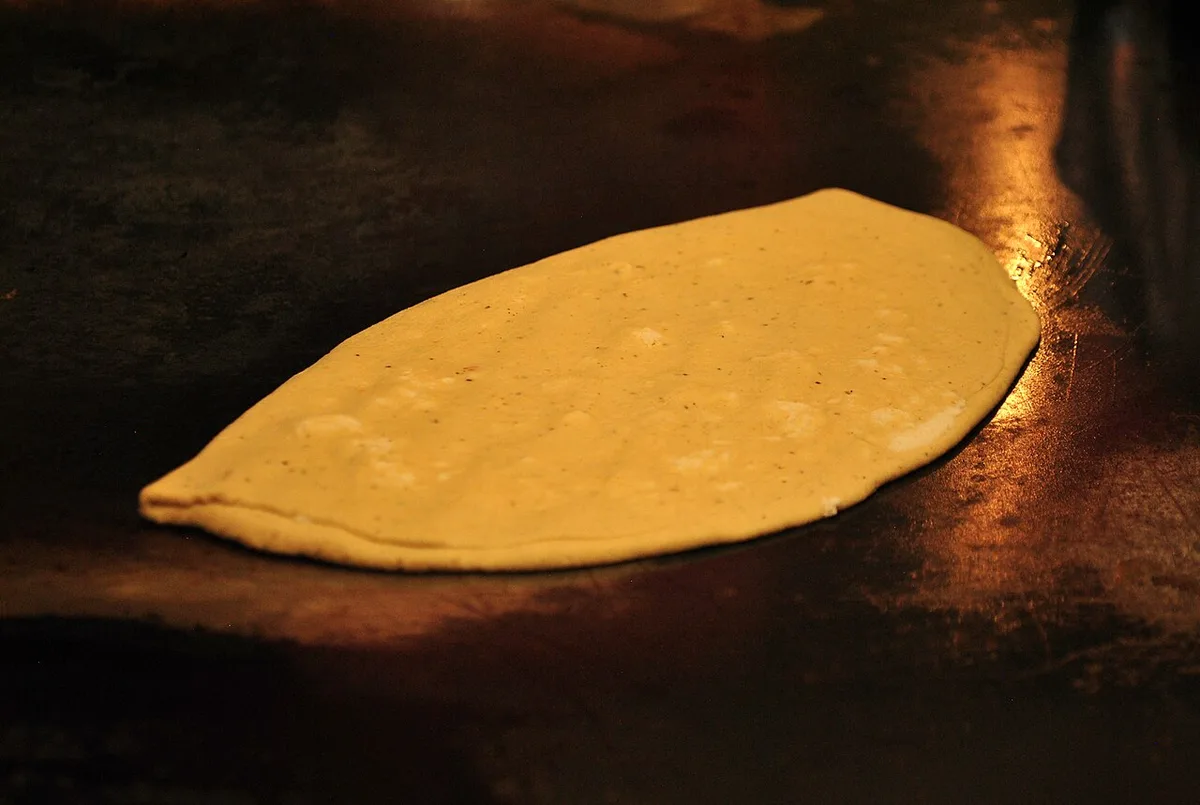
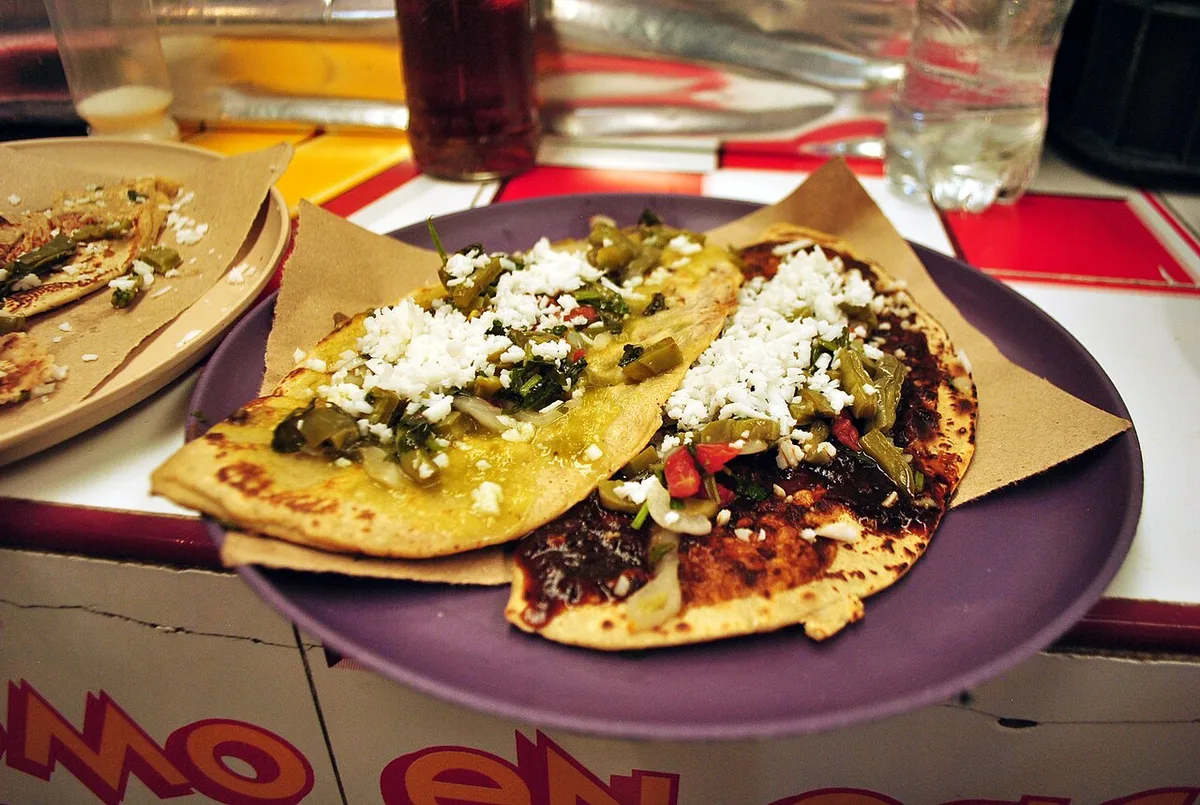
Oval blue-corn masa cakes, stuffed with beans or requesón, griddled and topped with nopales (cactus) and salsa. Pre-Hispanic cooking, sold mostly in markets.
The rules that keep it safe and good
Eat where there is a line of locals. Crowds and high turnover are the entire safety system.
Watch it cooked. If the meat was cooked hours ago and sits, move on.
Carry small cash. Most stands do not take cards.
Salsas have a ladder. Ask '¿pica?' before you pour. Start with verde, then roja, then the dark one. One spoon first.
Pace the first day. Two stands, not six. Your stomach calibrates.
The markets
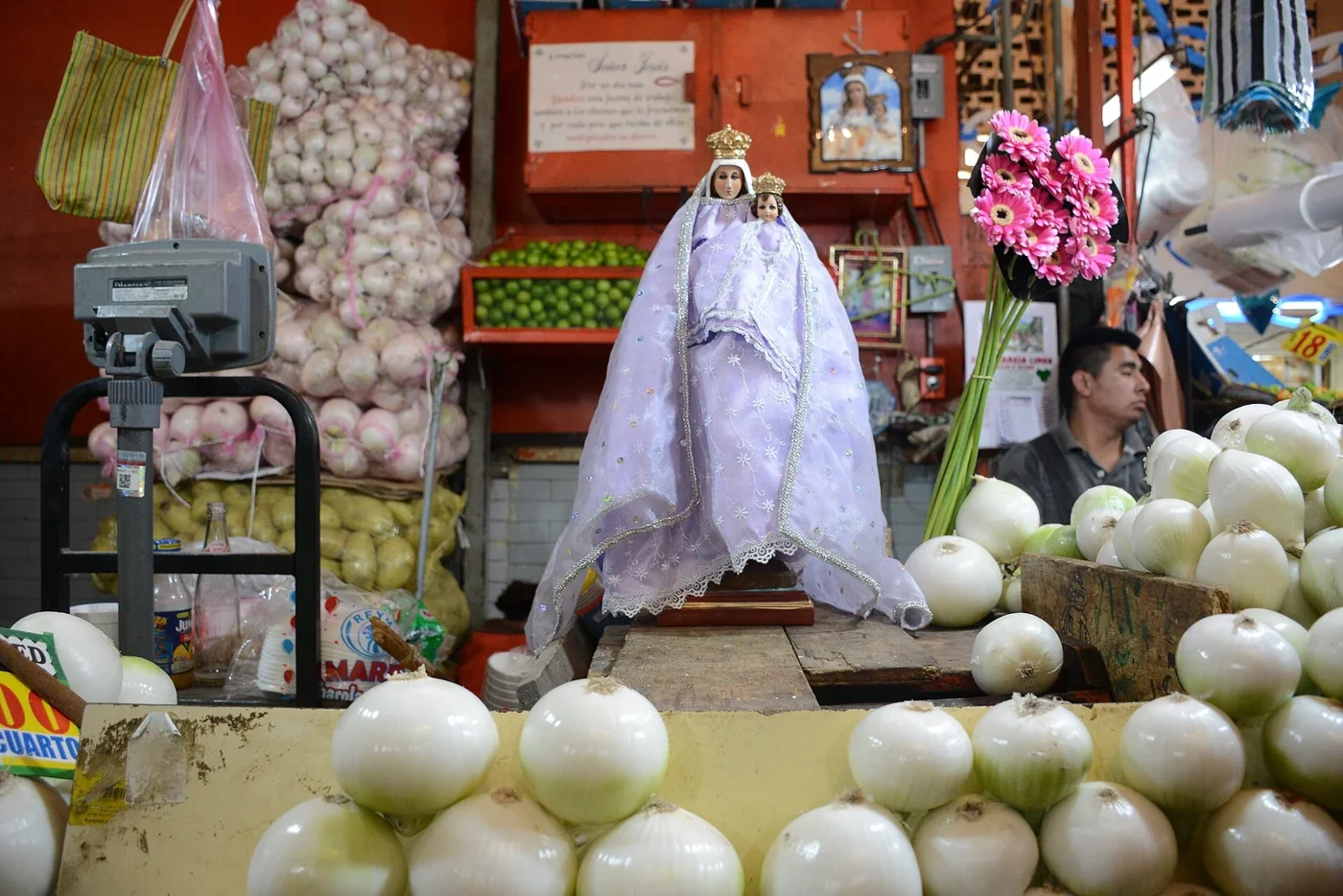
Markets are where Mexico City actually shops and eats. Each one has a different job; go in the morning, when the food counters are at their busiest.
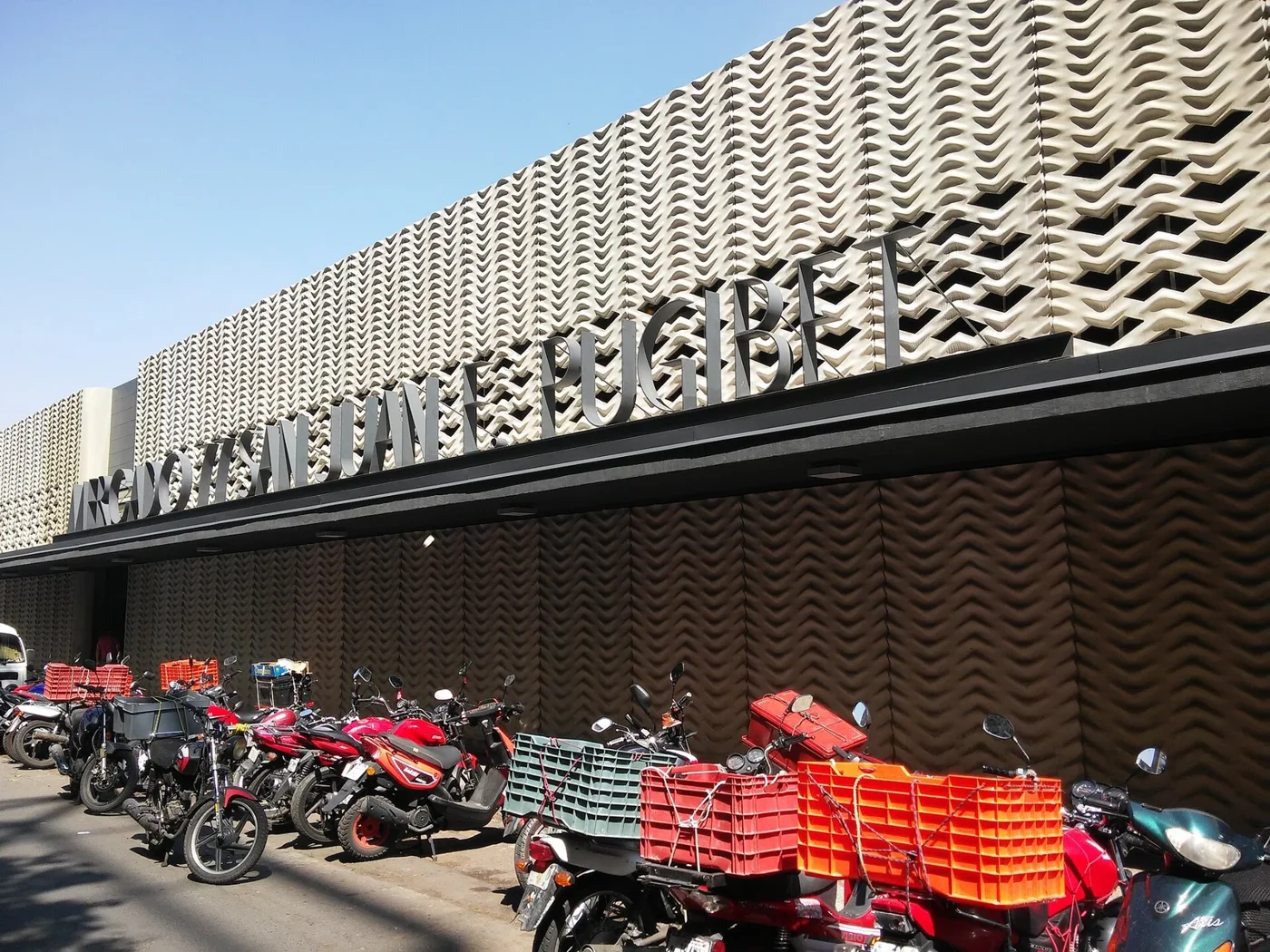
AMercado de San Juan
The chefs' market in the Centro: exotic meats, imported goods, and prepared counters behind the stalls. This is where the city's best kitchens source.
Eat: Chapulines (toasted grasshoppers with chile and lime) and a torta from one of the prepared counters.
BLa Merced
One of the largest traditional markets in Latin America, east of the Centro. The wholesale heart of the city's food: aisle after aisle of chiles, dried herbs, and mole pastes. Go in the morning and keep your belongings close.
Eat: Tacos and quesadillas from the prepared food aisles, surrounded by the chile trade.
CMercado de Coyoacán
The neighborhood market that tourists actually find first, for good reason: the tostada stalls inside are the benchmark. Pair with a morning at the Frida Kahlo house.
Eat: Tostadas de tinga and pata, with an agua fresca.
DMercado de Jamaica
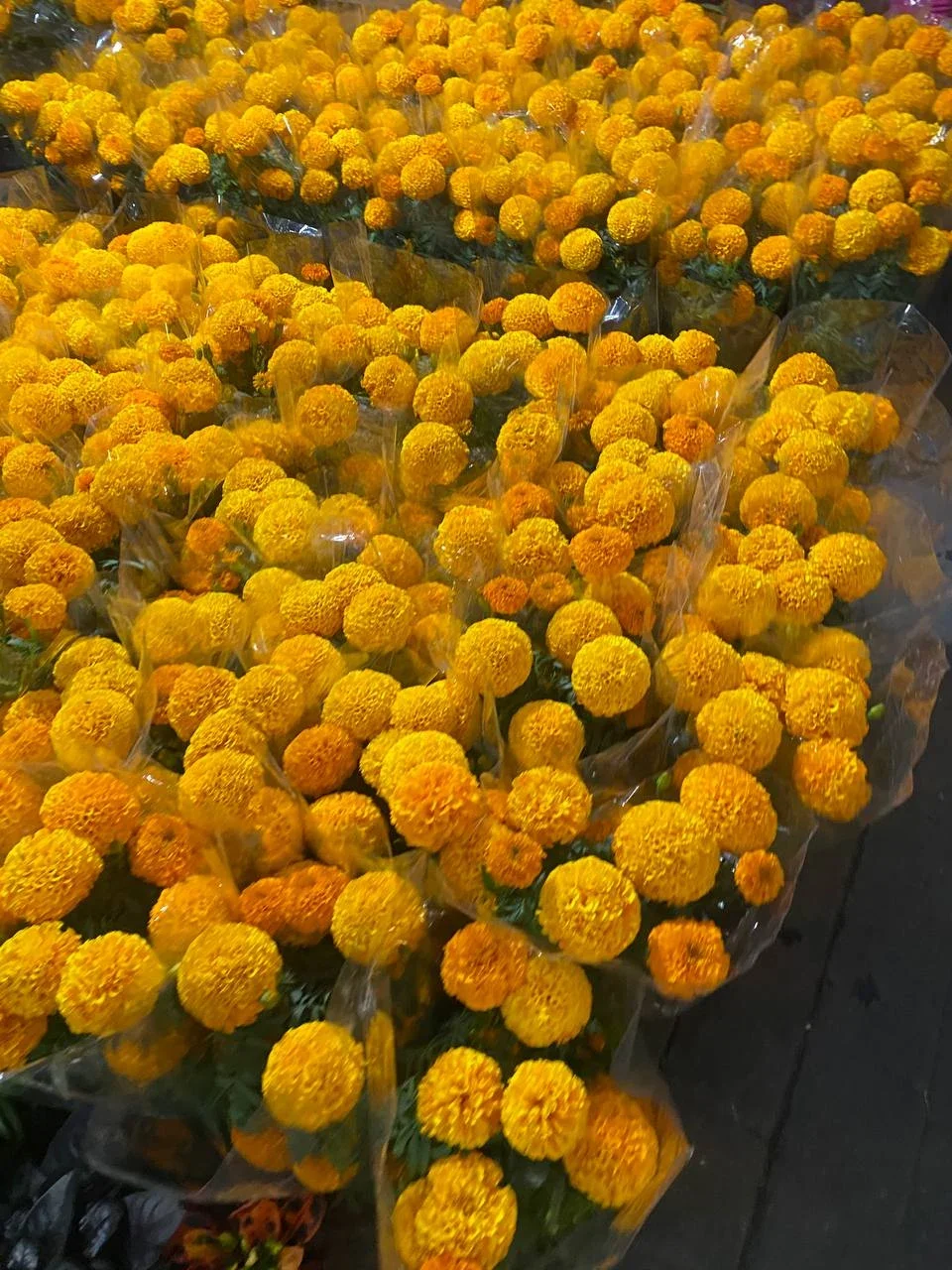
The flower market, famous for the marigold floods around Day of the Dead, with serious food rows behind the flowers.
Eat: Huaraches (long masa ovals) with flor de calabaza from the prepared stalls.
EMercado Roma
The modern end of the spectrum: a polished 2014 food hall in Roma Norte. Curated stalls, higher prices, and an honest look at how the market format translates upscale.
Eat: Churros and tacos; come to compare it against the traditional markets above.
Neighborhoods: 1 Polanco · 2 Roma Norte and Condesa · 3 Centro Histórico · 4 Coyoacán · 5 San Rafael · 6 Clavería (Azcapotzalco)Markets: A Mercado de San Juan · B La Merced · C Mercado de Coyoacán · D Mercado de Jamaica · E Mercado RomaPins mark neighborhood centers, so you can place each area against where you are staying. Taxi times under each neighborhood below are measured from the Zócalo.
1Polanco
Mexico City's upscale dining district, home to Pujol and Quintonil within blocks of each other. Avenida Masaryk anchors luxury shopping; the side streets hold the city's most ambitious tasting menus. Book everything ahead.
From the Zócalo: 25-40 min by taxi
2Roma Norte and Condesa
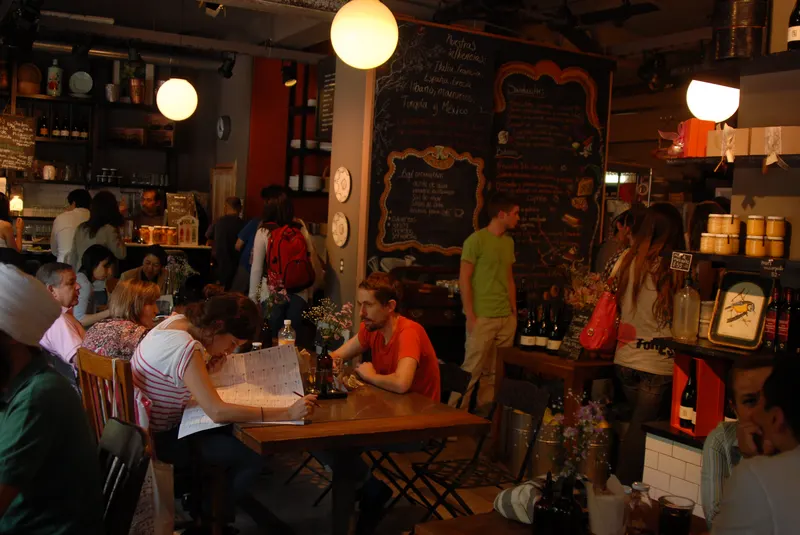
The densest restaurant zone in the city: tree-lined streets packed with bistros, mezcalerías, and chef-driven rooms like Rosetta, Contramar, Máximo, and Lardo. Best for walking between dinner and drinks; most places stay lively past 11pm.
From the Zócalo: 15-25 min by taxi
3Centro Histórico
The colonial center around the Zócalo, where breakfast is a ritual (El Cardenal) and courtyard restaurants like Azul Histórico serve regional Mexican in 17th-century palaces. Come for the morning, stay for the museums.
From the Zócalo: You are here: this is the reference point
4Coyoacán
The bohemian southern borough of Frida Kahlo's Blue House, with a village feel, weekend markets, and Los Danzantes on the main plaza. More relaxed than the center; ideal for a long lunch after the museums.
From the Zócalo: 30-45 min by taxi
5San Rafael
A working-class neighborhood northwest of the center that holds El Califa de León, the world's first Michelin-starred taco stand. Come for the tacos, stay for the old-city atmosphere.
From the Zócalo: 10-15 min by taxi
6Clavería (Azcapotzalco)
A residential northern borough well off the tourist path, home to Nicos, the 1957 institution locals drive across the city for. Worth the trip for breakfast or a traditional comida.
From the Zócalo: 25-35 min by taxi
The people behind the food
The names that explain how Mexico City cooks the way it does now.
Enrique Olvera
Pujol, Polanco
The chef who put modern Mexican tasting menus on the world map. Pujol's mole madre, a single mole that has been aged and refreshed daily for years, is the most famous dish in the country's modern history.
Jorge Vallejo
Quintonil, Polanco
Two Michelin stars and a top-three World's 50 Best ranking in 2025. Vallejo's cooking centers on heirloom vegetables, native herbs, and insects, proving the tasting menu format can speak pure Mexico.
Elena Reygadas
Rosetta and Panadería Rosetta, Roma Norte
Italian technique applied to Mexican ingredients, in a Beaux Arts mansion, plus the bakery next door that changed how the city eats bread. Named the world's best female chef in 2023.
Eduardo García
Máximo Bistrot, Roma Norte
Runs the most market-driven kitchen in the city: Máximo's menu is rewritten every day from that morning's shopping. A former street-food apprentice who now holds a Michelin star.
Ricardo Muñoz Zurita
Azul Histórico, Centro Histórico
Part chef, part anthropologist. Muñoz Zurita has spent decades documenting Mexico's regional recipes before they disappear, and his books are the reference the whole industry uses.
If you only eat ten things here
Tacos al pastor from a trompo, standing up, two at a time.
Chilaquiles verdes for breakfast, with a fried egg on top.
A mole education: poblano, negro, and one you have never heard of.
Tostada de atún and pescado a la talla at Contramar.
Tacos de canasta from a morning basket vendor.
Chile en nogada in season, August through September.
A quesadilla con huitlacoche at a market; decide the con queso question for yourself.
Esquites from an evening corner cart.
A concha with nata and a thick hot chocolate.
One tasting menu: Pujol or Quintonil, booked weeks ahead.
Eating well here
Buen provecho
Said to anyone eating, always. The reply is just 'gracias', equally warm.
La cuenta, por favor
The bill. It will never come unasked, because nobody is trying to turn your table.
Comida corrida
The fixed weekday lunch menu: soup, main, agua fresca, sometimes dessert. The cheapest full meal of the day, and usually excellent.
Con todo
'With everything': onion, cilantro, and salsa on your taco.
¿Pica?
'Does it bite?' Ask this before pouring any salsa.
Sobremesa
The long sit after eating, talking over coffee. Part of the meal, not an afterthought.
Fonda
The small family-run lunch spot. The backbone of weekday eating in the city.
Agua fresca
The day's fresh fruit water (jamaica, horchata, tamarindo), served with comida.
How much should I tip at restaurants in Mexico City?
Ten to fifteen percent is standard for sit-down service; 15 percent for good service at nicer restaurants. Check whether a service charge is already included before adding more. Street taco stands don't expect tips, though rounding up is appreciated.
Which neighborhoods are best for food?
Polanco for fine dining (Pujol, Quintonil), Roma Norte and Condesa for the densest restaurant rows (Rosetta, Contramar, Máximo), Centro Histórico for classic breakfasts and moles, Coyoacán for a relaxed day of museums and lunch, and San Rafael for the Michelin-starred taco stand.
What should I budget for meals per day?
Street food keeps you under $15 a day easily: tacos run 15-30 pesos each. A comfortable mid-range day with a sit-down dinner is $40-80 per person. Tasting menus at Pujol or Quintonil run several hundred dollars per person with pairings.
Do I need reservations?
Yes for the big names: Pujol, Quintonil, Contramar, Rosetta, and Máximo book out days or weeks ahead. Nicos also recommends booking. El Califa de León, El Cardenal, and the taco stands are walk-in. Lardo and Fonda Fina take reservations but often have bar space.
Is street food safe to eat?
Generally yes if you follow the local rule: eat where there's a crowd and high turnover. Busy taco stands cook everything to order on screaming-hot grills. Go easy on raw salsas and street ice at first if your stomach is unaccustomed.
What local food should I not leave without trying?
Tacos al pastor from a trompo, a tuna tostada at Contramar, chilaquiles verdes for breakfast, and a proper mole. If you're here August-September, chile en nogada is mandatory.