The imperial table: bún bò and a hundred small plates
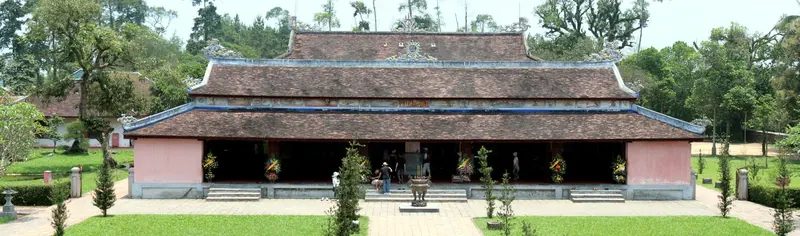
The Meridian Gate of the Imperial City, Hue. Photo via Wikimedia Commons.
How Hue eats
Hue was Vietnam's capital for 143 years, and empires leave kitchens behind. The Nguyen emperors demanded variety (legend says one would not repeat a dish in a year), so Hue's cooks turned out an entire cuisine of small, refined plates: the bánh family of steamed rice cakes, dishes in miniature, flavors layered like court dress. When the court fell, the cooking escaped into the streets, where it remains the most elaborate folk food in Vietnam.
The emblem is bún bò Huế: lemongrass beef noodle soup, red with chili, funky with mắm ruốc, eaten for breakfast with the seriousness of a sacrament. Around it: cơm hến from the clam island, nem lụi on lemongrass stalks, chè in twenty forms including one with roasted pork in it, and the best vegetarian cooking in the country, courtesy of the pagodas. Hue eats like a fallen capital that kept the chefs.
Learn the foods
Start here, not with a restaurant. Learn what these foods are, where they come from, and how locals eat them, and the whole city opens up: every menu, every market, every street corner starts making sense.
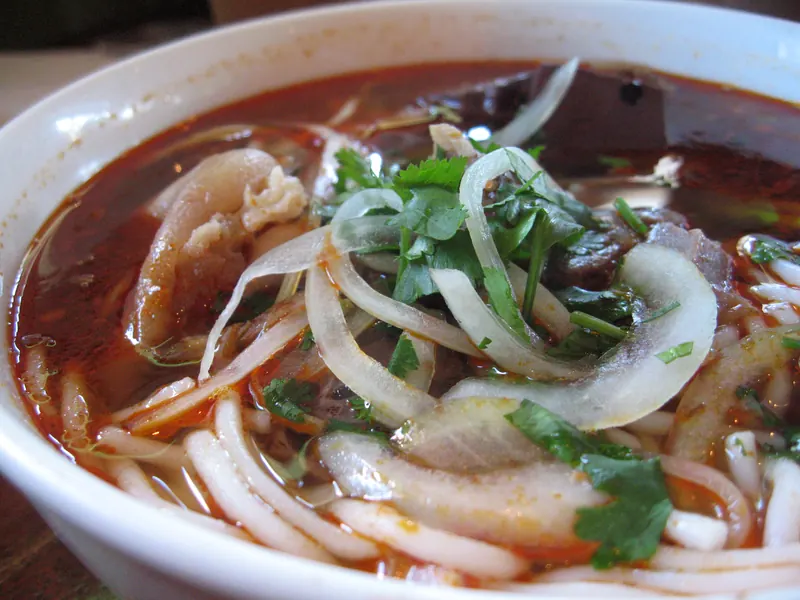
Bún bò Huế
The imperial noodle soup: round rice noodles in a lemongrass beef broth, red with chili oil, carrying beef shank, pork knuckle, and cubes of congealed blood for the committed. Breakfast, non-negotiably.
Where it comes from: The dish is named for the city and beef ('bò'), though pork does much of the work; its soul is mắm ruốc, Hue's fermented shrimp paste, which gives the broth a depth no other noodle soup attempts. Folklore credits a village woman, as usual, and Hue has argued the details for a century.
How to eat it: Morning, with the herb plate and extra chili if your courage holds. The pork knuckle is eaten with hands and no apology; the broth is finished to the spoon's last evidence.
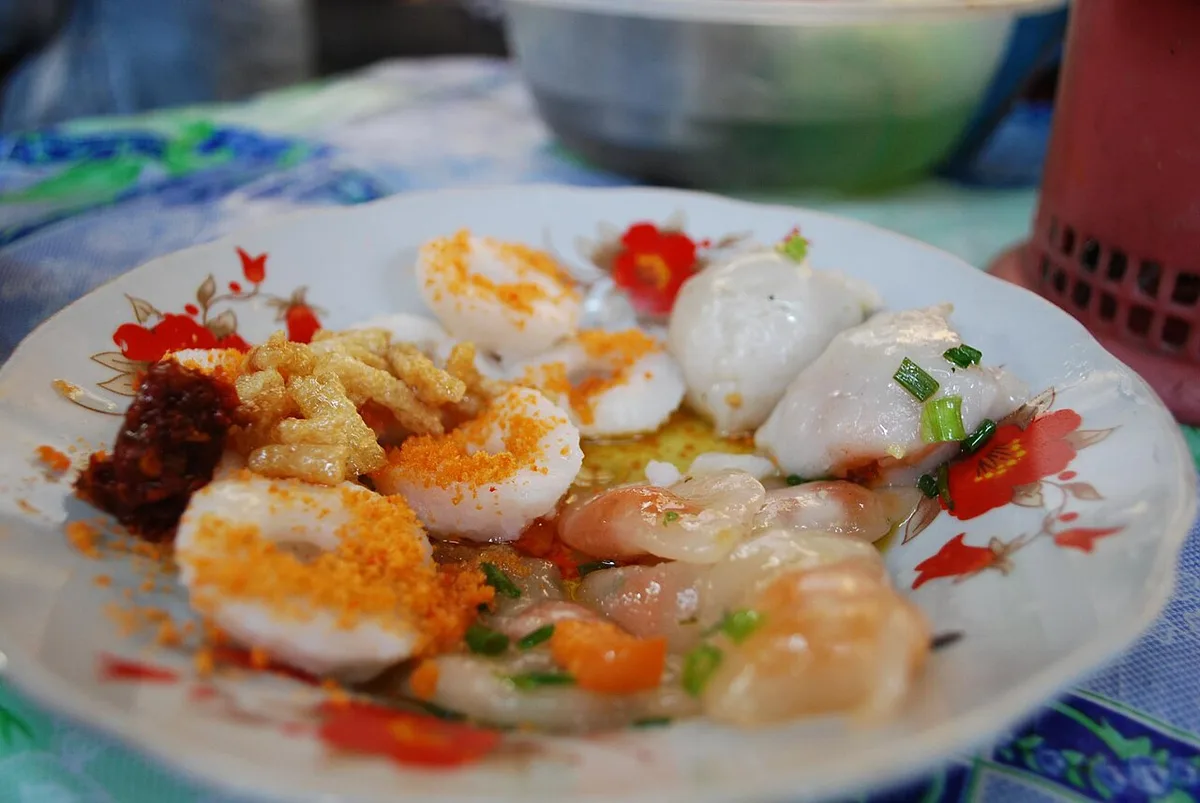
Bánh bèo
Steamed rice cakes in tiny saucers, topped with dried shrimp, scallion oil, and crispy pork skin, eaten by the tray with a bamboo spoon and fish sauce poured over. The first of the bánh family to order.
Where it comes from: The bánh are the court's small plates gone democratic: named, the story goes, for their resemblance to water-fern leaves (bèo) floating on the citadel's ponds. A tray of twelve costs almost nothing and disappears in minutes.
How to eat it: Pour the nước chấm over the whole tray, scrape each cake loose with the flat spoon, and order the second tray before the first is done. Everyone does.
Bánh nậm and bánh lọc
The steamed pair: bánh nậm, a soft shrimp-and-pork rice cake steamed flat in banana leaf, and bánh lọc, a chewy clear tapioca dumpling with a whole baby shrimp visible inside. Order both, always.
Where it comes from: Banana-leaf parcels are the court's portable format, and Hue wraps half its cuisine in them. Bánh lọc trần (the naked, leafless version) in fish sauce with fried shallots is the connoisseur's third order.
How to eat it: Unwrap, dunk in the sweet fish sauce, eat in two bites. A bánh house serves the whole family on one tray; that tray is the correct unit of dinner.
Bánh khoái
'Delight cake': Hue's answer to bánh xèo, smaller, thicker, eggier, fried in a little cast-iron pan and served with a peanut-and-liver dipping sauce and a pile of herbs and star fruit.
Where it comes from: The name is a pun: khoái means delight, and the cake was the citadel town's improvement on the crepe, crisped in individual pans. The sauce, with its pork liver base, is the mark of a Hue kitchen that knows its canon.
How to eat it: Cut the cake, wrap in mustard leaf with herbs and a slice of star fruit, dunk in the peanut sauce. It should shatter audibly.
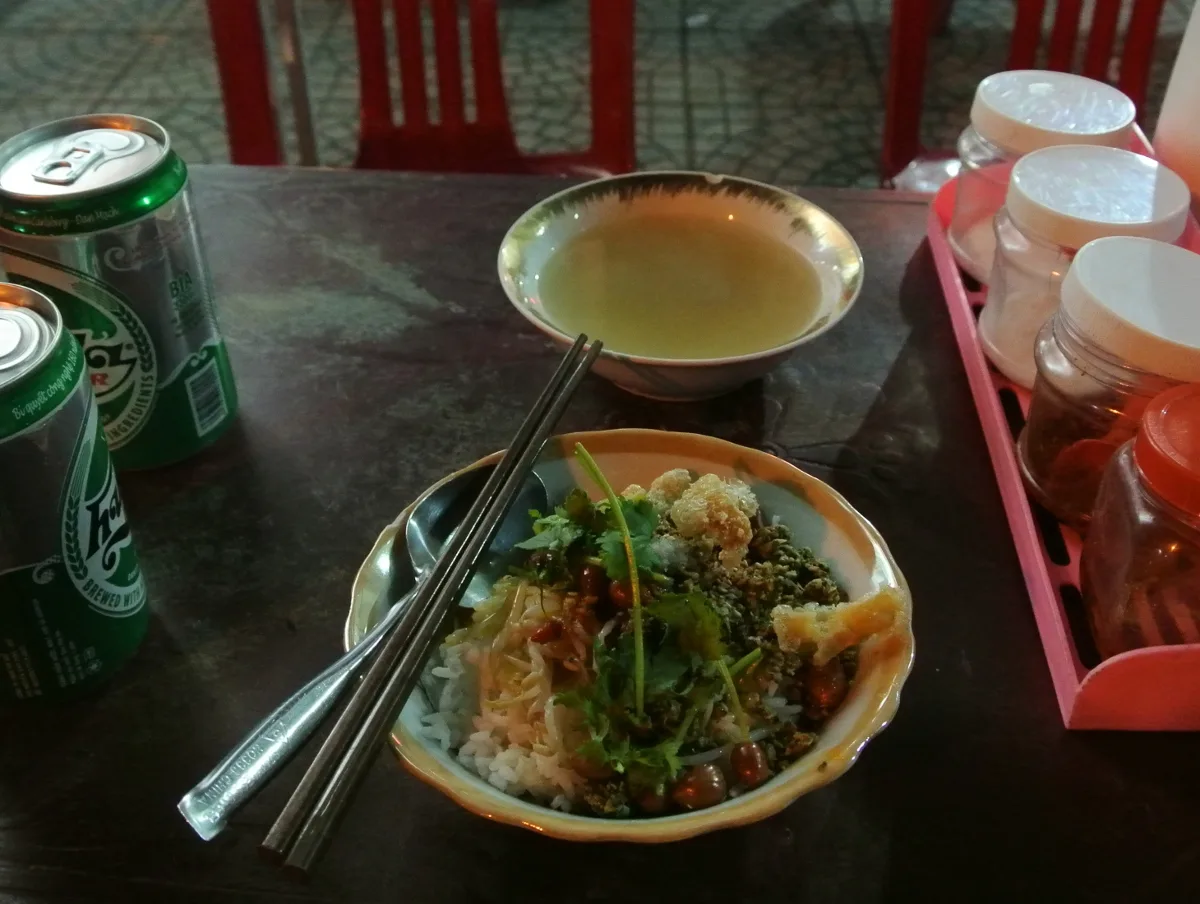
Cơm hến
Baby clam rice: a bowl of rice (or noodle, or porridge) with tiny river clams, pork crackling, peanuts, herbs, chili, and clam broth poured at the table, fiery and fresh at once. Con Hen island's plate.
Where it comes from: The clams come from the Perfume River's beds around Con Hen, where families have raked and cooked them for generations; the dish runs from poor fishermen's food to the city's proudest specialty without changing a thing. The broth arrives in its own bowl, to be poured and mixed by you.
How to eat it: On the island if you can, at a Dong Ba stall if you cannot. Mix hard, add chili bravely; cơm hến is supposed to make its presence known.
Nem lụi
Pork mince kneaded with spices, molded onto lemongrass stalks, grilled over charcoal, then pulled off and rolled in rice paper with herbs, cucumber, and star fruit, dunked in the peanut-liver sauce.
Where it comes from: The lemongrass stalk is both skewer and seasoning: the meat perfumes as it grills, and the stalk goes back to the kitchen for the next round. Hue's grill masters sell the set (meat, papers, greens, sauce) as a kit for your table.
How to eat it: Slide the meat off with the rice paper, roll with everything green in reach, dunk deep. Order by the set, not the stick.
Chè Huế
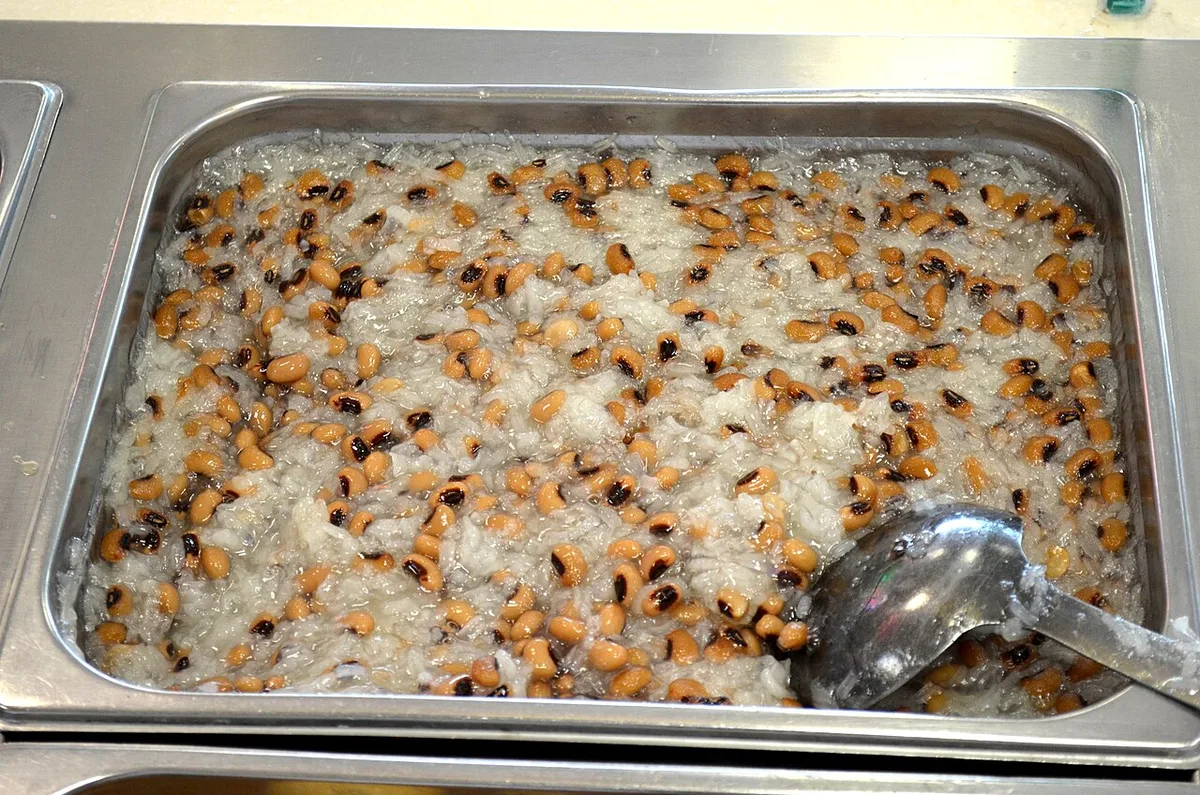
Sweet soups in a dozen forms: lotus seed (from the citadel's ponds), mung bean, taro, and the famous shock act, chè bột lọc heo quay, clear tapioca dumplings filled with roasted pork in sweet ginger soup. It works. Nobody knows why.
Where it comes from: Hue counts more chè varieties than any city in Vietnam, some say fifty, including one (chè hạt sen) that was served to emperors from lotus grown in the citadel moat. The pork dumpling version is the dish visitors dare each other to order and then order again.
How to eat it: At a chè alley stall on the south bank, point at three small glasses and start with the lotus. The pork one is dessert, whatever your instincts say.
Street food, decoded
Hue's street food is court food that escaped: the bánh arrive on trays like a tasting menu, the noodle soup carries shrimp paste like a signature, and even the clam rice is plated with a dozen components. The system to learn is the bánh house: one shop serving the whole steamed family, where dinner is counted in trays, not dishes.
The city's other pole is Con Hen, an island of clam families where cơm hến is breakfast, lunch, and identity. Between the citadel's lanes and the island's stalls, Hue's whole story gets eaten in a day.
The bánh house
A shop serving the steamed canon (bèo, nậm, lọc, ít, khoái) on stacked trays, banana leaves everywhere, sauce poured at the table. Dinner as a card game of small plates.
The bún bò breakfast shop
Dawn specialists with a cauldron of red broth: the city's serious breakfast, eaten fast and early, extra chili as a personality statement.
The cơm hến stall
On Con Hen and around Dong Ba: the clam plate assembled in seconds, broth poured at the table, heat adjustable and encouraged.
The chè alley
Evening rows of sweet-soup stalls on the south bank: glasses of color, lotus to pork, priced for students and perfect for a second dessert.
The garden-house lunch
Kim Long's family restaurants in old garden houses: royal-style set menus served where the mandarins lived. Book the day before; lunch is the sitting.
The pagoda vegetarian kitchen
Hue's Buddhist kitchens and vegetarian restaurants, busiest on lunar holy days: the full canon translated, mushrooms standing in bravely for pork.
The rules that keep it safe and good
Order the bánh by the tray and share everything: the unit of Hue eating is the table, not the plate.
Bún bò heat is adjustable but mắm ruốc is not optional; asking for it without is asking for a different soup with the same name.
Lunch is early and dinner is early: Hue keeps capital hours even without a court, and kitchens quiet down by 9.
Rain is a season, not an event: from September the city eats happily under awnings; join it rather than rescheduling.
At Dong Ba, the food rows are inside and around the market; haggle for goods with a smile, and pay the food stalls what they ask, which is little.
The markets
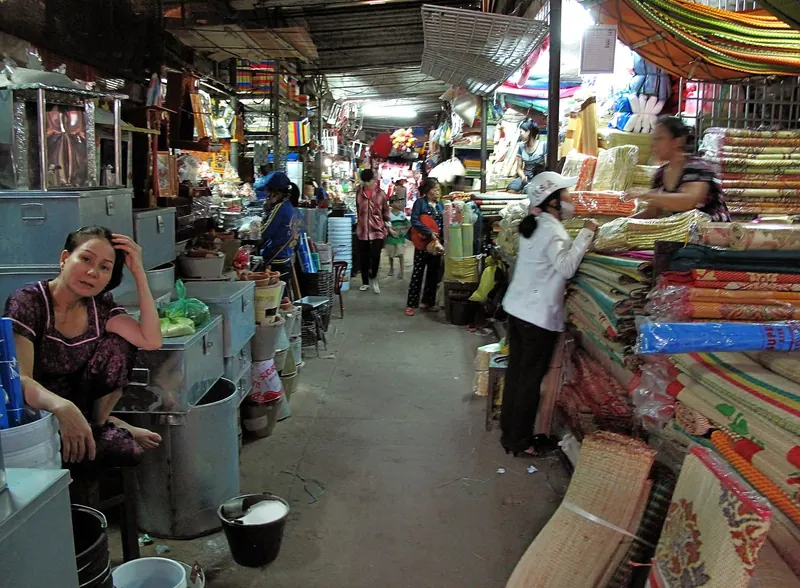
Markets are where Hue actually shops and eats. Each one has a different job; go in the morning, when the food counters are at their busiest.
ADong Ba Market
Hue's great market east of the Citadel, in place since 1899: the city's pantry, famous food rows, and every ingredient of the canon, from mắm ruốc to lotus seeds. Start here at 8 a.m.
Eat: Bánh and cơm hến at the food rows; lotus seeds and ruốc to carry home.
BTay Loc Market
Inside the Citadel walls: the old quarter's own market, produce and cooked stalls serving the families within the ramparts. The imperial city, grocery edition.
Eat: A bánh breakfast from the stalls the citadel aunties use.
CBen Ngu Market
The south bank's local market near the old station quarter: produce, snacks, and the morning trade of the modern city, unvisited by tours.
Eat: Market snacks and a bún bò from the stalls at its edge.
DAn Cuu Market
South of the center by the An Cuu river: a working market with strong cheap eating around it, student-priced and local. The city's everyday food floor.
Eat: Whatever the students queue for; they are never wrong here.
EThe Trang Tien night street
The walking street and bridge end after dark: snacks, chè, and the river lit up. Hue's evening promenade, dessert-first.
Eat: Chè from the alley stalls, then a slow bridge crossing.
Neighborhoods: 1 The Citadel · 2 Dong Ba and the river east · 3 The South Bank · 4 Kim Long · 5 Con Hen and Vy DaMarkets: A Dong Ba Market · B Tay Loc Market · C Ben Ngu Market · D An Cuu Market · E The Trang Tien night streetPins mark neighborhood centers, so you can place each area against where you are staying. Taxi times under each neighborhood below are measured from the Citadel.
1The Citadel
North of the Perfume River: the Imperial City, Tay Loc market, and the quiet lanes inside the old walls, where the bánh houses and bún bò shops serve the quarter that raised them.
From the Citadel: The Imperial City is its heart; you are there
2Dong Ba and the river east
Dong Ba Market and the streets around it: Hue's pantry and its densest snacking, from the market's food rows to the stalls under the Trang Tien bridge end.
From the Citadel: 10 min on foot from the Citadel gate
3The South Bank
The modern center along Le Loi: hotels, the walking street, chè alleys, and the city's evening out along the river. Where Hue dresses up, modestly.
From the Citadel: 5 min on foot across Trang Tien bridge
4Kim Long
West along the river: garden houses, family restaurants serving royal-style set menus, and the quiet end of the old mandarins' quarter. Lunch in a garden is the Hue institution.
From the Citadel: 10 min by taxi
5Con Hen and Vy Da
The little island in the river east of center: home of cơm hến, where the clam families have cooked the same plate for generations, plus the garden suburb of Vy Da beside it.
From the Citadel: 10 min by taxi
The people behind the food
The names that explain how Hue cooks the way it does now.
Ton Nu Thi Ha
Culinary artisan, Tinh Gia Vien
Hue's most famous keeper of the royal table: a descendant of Nguyen-era mandarin stock who spent decades documenting court recipes and serves them at her garden restaurant Tinh Gia Vien, where dishes arrive as carved fruit, layered cakes, and history you can eat. If one person is Hue cuisine's memory, it is her.
The cơm hến families of Con Hen
Institution, Con Hen island
The island's clam dynasties, raking the riverbeds and cooking the same plate their grandparents did: rice, clams, crackling, fire. Their stalls are Hue's proudest working-class institution.
The Dong Ba stall keepers
Institution, Dong Ba Market
Generations of women running the market's food rows, refereeing the city's arguments about ruốc and broth by the evidence of their queues. Dong Ba is Hue's culinary court now.
The chè sellers
Craft, the south bank alleys
Evening specialists with a dozen glasses of color apiece, including the pork dumpling one. Their stalls are where Hue's students learn the canon and where visitors learn humility about dessert.
The pagoda cooks
Institution, Hue's temples
The Buddhist kitchen masters whose vegetarian Hue (meatless bánh, mushroom 'meats', lotus everything) feeds the city on holy days and inspired its famous vegetarian restaurants. Hue's second cuisine, fully equal to the first.
If you only eat ten things here
Bún bò at dawn, pork knuckle, full chili, no regrets.
A bánh house tray storm: bèo, nậm, lọc, and khoái in one sitting.
Cơm hến on Con Hen, broth poured by your own brave hand.
Chè heo quay at a south bank stall, because it works and nobody knows why.
A Kim Long garden-house lunch, the canon as a set menu.
Dong Ba at 8 a.m.: food rows first, lotus seeds for the road.
Nem lụi rolled and dunked where the sauce has liver in it.
A vegetarian Hue lunch on a lunar holy day, pagoda rules.
Lotus-seed chè, the emperor's dessert, as your last Hue plate.
The Trang Tien bridge at night, chè in hand, river below.
Eating well here
bún bò
Say 'boon baw': the beef noodle with the red broth. In Hue, the 'Huế' is understood and the pride is total.
mắm ruốc
Hue's fermented shrimp paste, the broth's bass note. A little is load-bearing; more is a lifestyle.
bánh bèo
The little saucer cakes, named for pond ferns. Ordered by the tray (khay), never by the piece.
cơm hến
'Clam rice': the island plate with its own broth bowl. Mix hard, sweat happily.
chè
Sweet soup, dozens deep in Hue. 'Chè heo quay' is the pork one; order it and join the club.
nem lụi
Pork on lemongrass stalks. The stalk is the skewer and half the seasoning.
dạ
Hue's famous polite 'yes': musical, drawn out, and the sound of the city being courteous at you.
ít cay
'Less spicy': the two words that keep a Hue breakfast enjoyable for the unacclimated.
Is Hue food very spicy?
It can be: Hue cooks with chili and mắm ruốc more boldly than the north, and bún bò arrives with a red slick by default. Shops will ease it ('ít cay') if asked, and the bánh family runs gentle. Order one notch below your pride.
I am vegetarian. Is Hue a problem?
Hue is your best city in Vietnam: a deep Buddhist tradition means pagoda kitchens and dedicated vegetarian restaurants serve full Hue menus (including vegetarian versions of the bánh) on the 1st and 15th of every lunar month and daily at the famous houses.
Royal food versus street food: where does Hue actually live?
Both, in sequence: the court invented the forms, the streets perfected them. Eat bún bò and cơm hến at stalls, then take one garden-house lunch in Kim Long where the same canon arrives as a set menu in a mandarin's garden.
When is the weather worst?
Hue is among Vietnam's rainiest cities from September to December, when the Perfume River rises and sightseeing slows. The eating is unbothered; bring a rain jacket and eat like the court is watching.
How many days?
Two full days of eating, three with the tombs and a lagoon seafood trip to Tam Giang. Hue rewards slowness; its food is built in small plates.