Classic cars on the Malecon at sunset, Havana, Cuba. Photo via Wikimedia Commons.
How Havana eats
Havana's food story is the paladar: the family-run restaurant, born in the 1990s when the state briefly let Cubans cook for paying guests in their own homes, and now the city's whole dining culture, from dining rooms in Vedado mansions to rooftop kitchens above the old town. The cooking is criollo: ropa vieja simmering slow, black beans and rice (moros y cristianos), roast pork, and whatever the market actually had that morning, which in Cuba is never a figure of speech.
The honest frame matters here: supply is the city's permanent plot twist, menus are aspirations edited daily, and the best Havana cooking is resourceful cooking. Eat in the paladares, buy the peso pizza and the window coffee (cafecito) like a habanero, take your cocktail history at the places that invented it, and let the Malecón at sunset set the dinner hour.
Learn the foods
Start here, not with a restaurant. Learn what these foods are, where they come from, and how locals eat them, and the whole city opens up: every menu, every market, every street corner starts making sense.
Ropa vieja
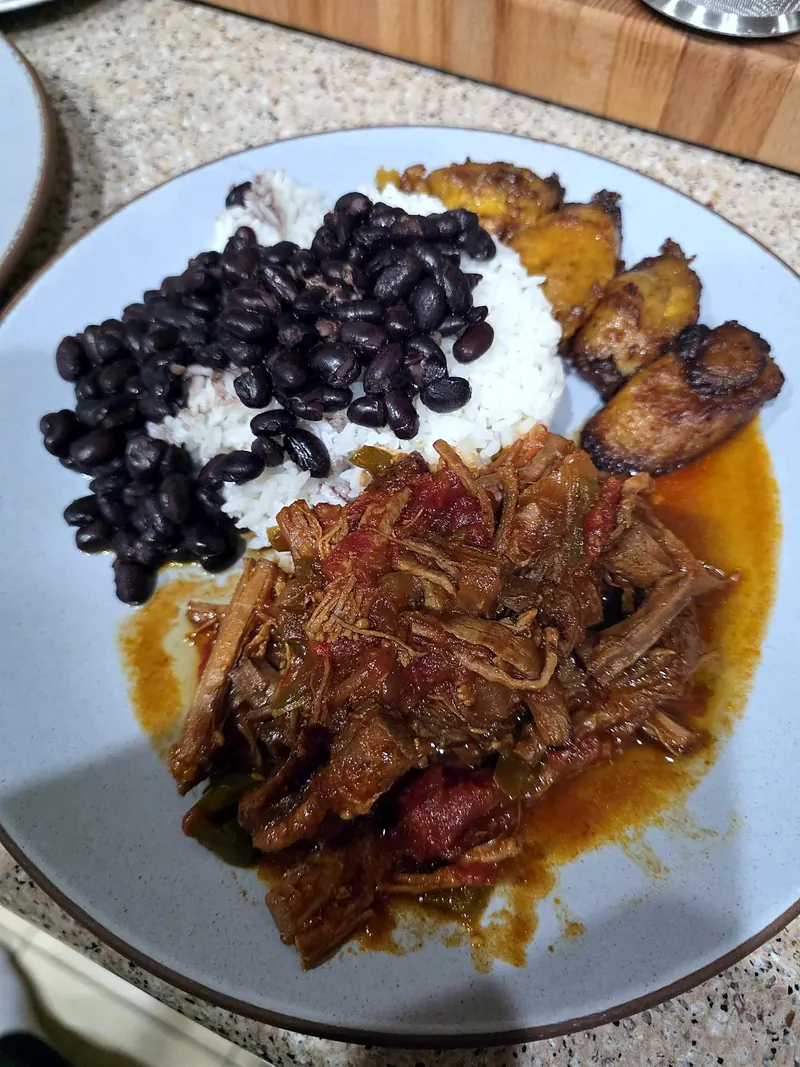
The national plate: beef (or lamb, when beef is scarce) braised and shredded into a tomato-pepper sauce, served with black beans and rice, fried plantains (maduros), and yuca. 'Old clothes', from the shreds; the dish Cuba is known by.
Where it comes from: Ropa vieja crossed from the Canary Islands and became Cuba's emblem: a poor cut cooked rich by time, shredded by hand, and sauced with the sofrito everything here starts with. Every paladar's version is a family argument about peppers, olives, and patience, and the beans beside it (moros y cristianos, Moors and Christians) carry their own old poetry.
How to eat it: In a paladar, with the full plate: shreds, moros, maduros, yuca with mojo. The plantains' sweet against the sauce is the plate's whole design.
Lechón asado
Roast pork the Cuban way: marinated in mojo (sour orange, garlic, cumin), roasted until the skin crisps and the meat pulls, served with moros, yuca, and more mojo. The celebration dish, and the paladar's test of abundance.
Where it comes from: Pork is Cuba's feast animal, and the mojo is its signature: the sour orange (naranja agria) that grows where citrus went feral, garlic by the head, rendered into the marinade every Cuban cook owns. Nochebuena (Christmas Eve) is unthinkable without it, and Sunday paladar lunches run on the same memory.
How to eat it: With yuca con mojo and moros, the skin eaten first as a matter of policy. Ask for the mojo extra; no kitchen here minds.
Moros y cristianos and congrí
Black beans and rice cooked together (moros in the east of Havana's tables, congrí with red beans more to the east of the island), seasoned with sofrito and pork: the plate under everything, and no meal here is complete without it.
Where it comes from: The names are colonial theater (the beans the Moors, the rice the Christians), but the dish is pure economy: yesterday's beans marry today's rice, and the pot liquor does the seasoning. A Cuban table that skips it has announced itself as a snack.
How to eat it: As the foundation, not a side: the ropa vieja and the lechón both land on it. A dash of the paladar's hot sauce, if offered, is the local sentence ending.
Tostones and maduros
Plantain two ways: green, twice-fried and salted (tostones, crisp coins), or ripe and fried sweet (maduros, caramel-edged). The island's starch twin-set, beside every plate and sold at windows between meals.
Where it comes from: The plantain is the Caribbean's great utility fruit, and Cuba fries it at both ends of ripeness with equal conviction. Tostones with garlic mojo are the bar snack; maduros are the plate's sweet voice. The argument over which belongs with ropa vieja has no winner and no end.
How to eat it: Both, on the same plate, without choosing: the paladar will assume you want the pair, and the assumption is correct.
The peso pizza and the window snacks
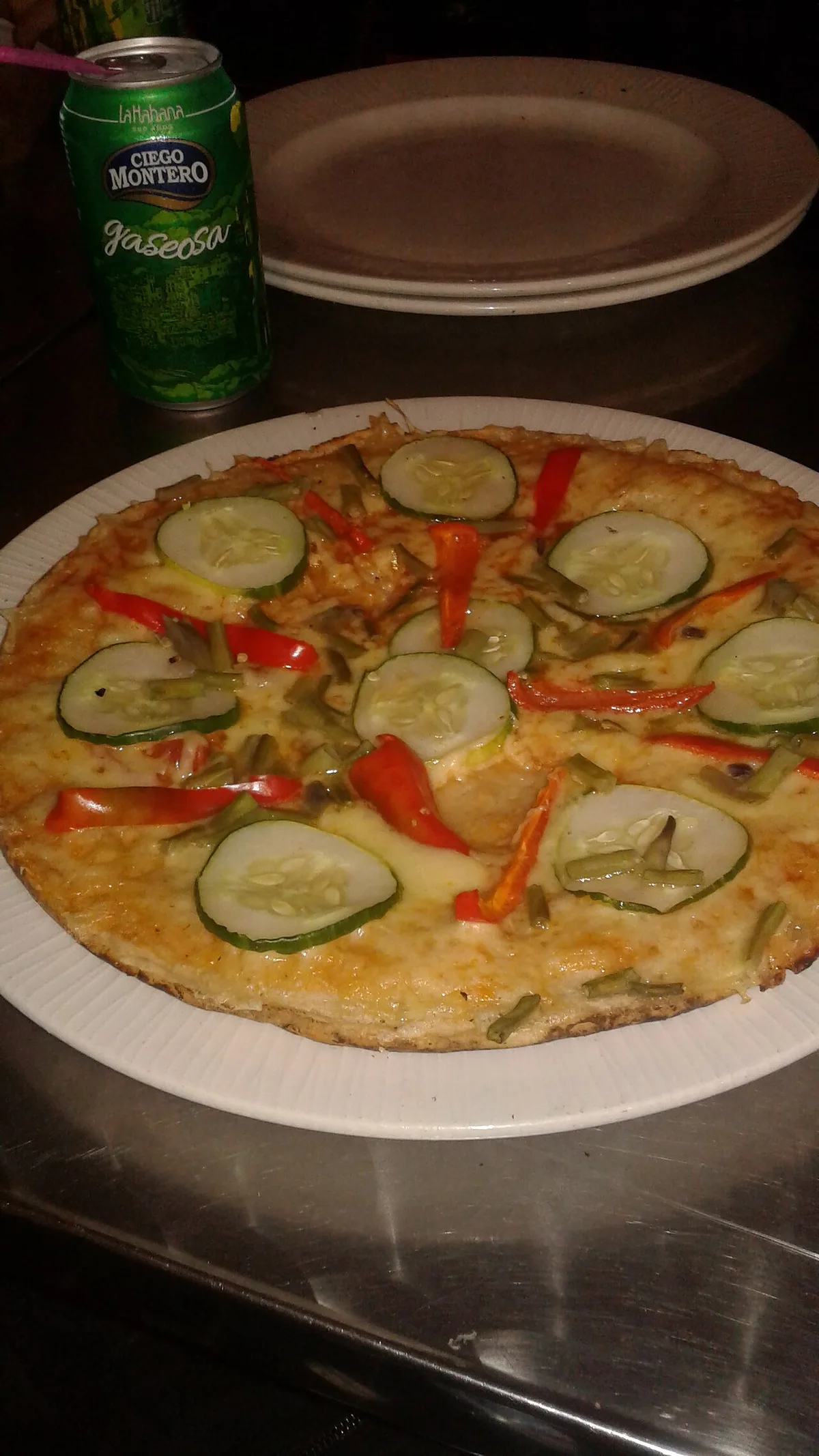
Havana's true street food: the thick, folded peso pizza from the little bakeries of Centro, sponge-soft and tomato-sauced, plus croquetas, empanadas, and the cafecito windows selling thimble coffees for coins. The city's walking fuel.
Where it comes from: Shortage invented the format: small bakeries with one oven, pizzas folded in paper to eat walking, coffee windows built into house walls. It is the food system Habaneros actually run on between the paladar occasions, and its prices (in pesos, at the local counters) are the city's honest exchange lesson.
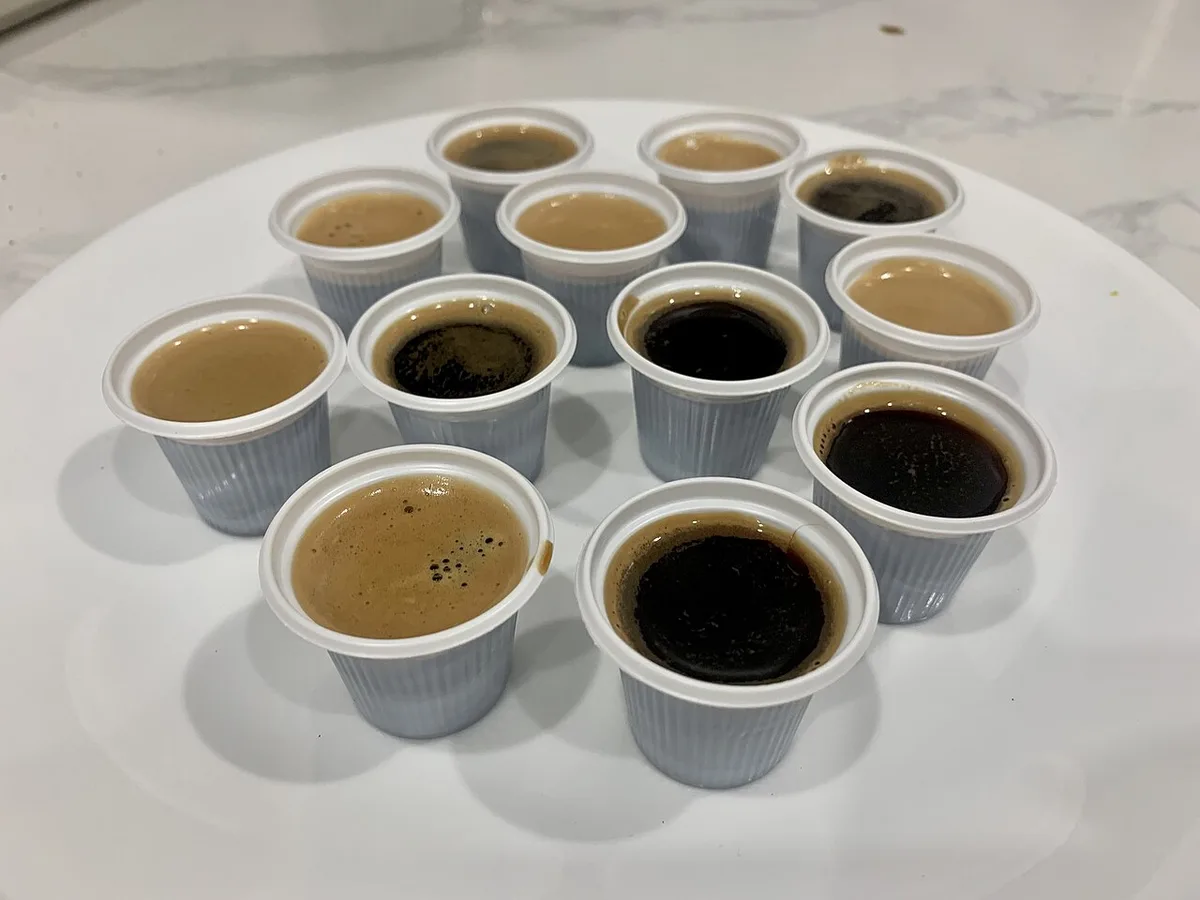
How to eat it: At the window, folded, walking, like everyone. The cafecito is one gulp, sweet and strong; two is the afternoon's whole strategy.
The daiquiri and the mojito, at home
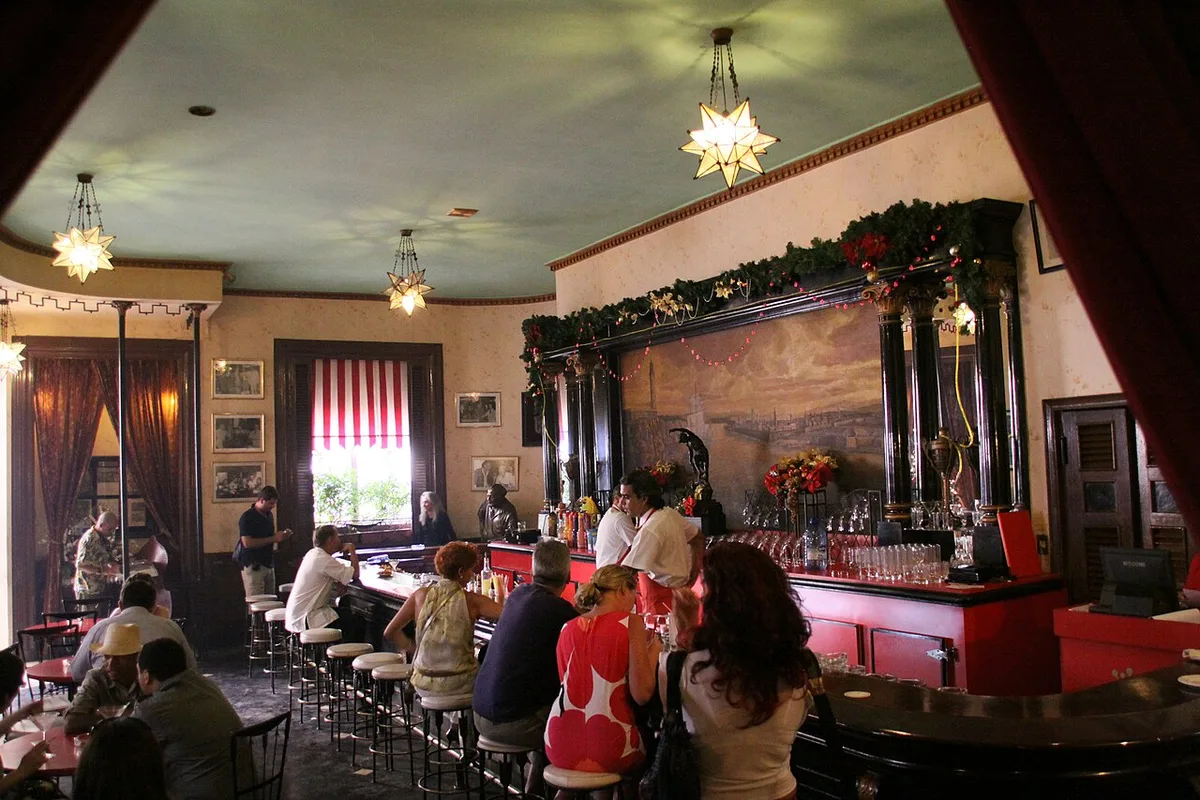
Two cocktails with addresses: the daiquiri at El Floridita by the old town (blended, Hemingway's seat), the mojito at La Bodeguita del Medio on Empedrado street. Rum, lime, mint, ice, and a century of writers' mythology.
Where it comes from: The daiquiri was refined at El Floridita by Constantino Ribalaigua, the Catalan who never drank; the mojito grew from the farmers' draque into the Bodeguita's house drink. Havana rum (light, dry, Spanish style) is the foundation of both, and the city's bartending school remains one of the world's classical ones.
How to eat it: One of each, at the two source bars, for the history; then your evening drinks at the paladar or the Malecón wall, where the city itself drinks.
Coppelia ice cream
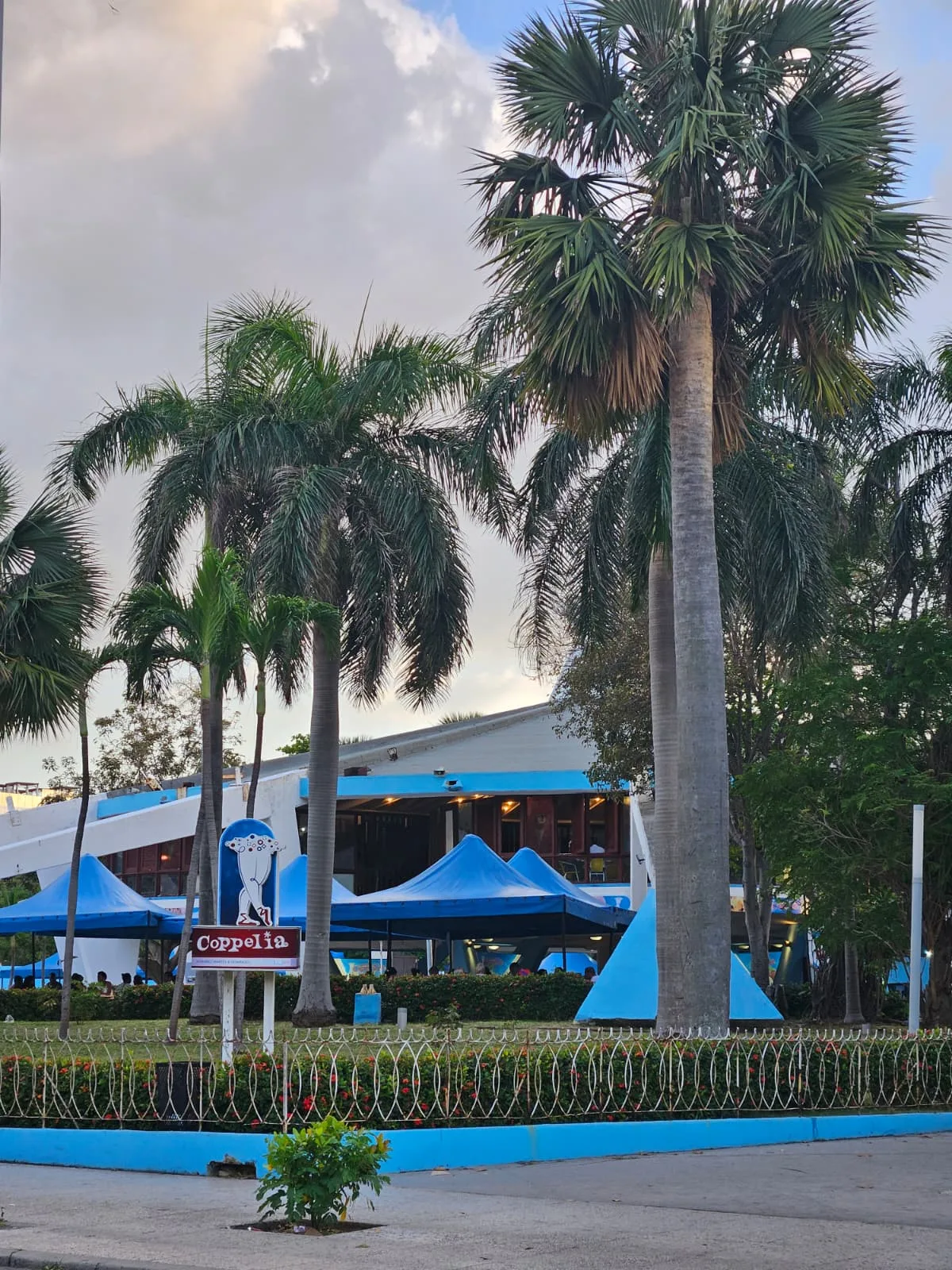
The 'Cathedral of Ice Cream' in Vedado: a modernist park of pavilions serving scoops to thousands of Habaneros daily, queues and all, flavors rotating by what the island has. A peso institution and a people's ritual.
Where it comes from: Coppelia opened in 1966 as the revolution's gift of affordable luxury, and its queues (by payment type and patience) are a Havana institution in themselves: dates, families, and whole afternoons happen here. The flavors (guava, coconut, chocolate when luck holds) map the island's supply as it happens.
How to eat it: Join the main queue with the city (not the tourist shortcut), order an ensalada (five scoops) if the flavors allow, and eat it slow in the park. The queue is the prologue, not the obstacle.
Street food, decoded
Havana's street food is window food: pizza folded in paper, croquetas from a tray, coffee thimbles from a hole in a house wall, peanuts sold in paper cones by the maní vendors whose cry is city music. The paladar is the sit-down system; the window is the walking one, and a day of eating here uses both.
Trust the queue of neighbors, pay in pesos at the local counters, and learn the day's rhythm: mornings at the agro markets for fruit and pork, the paladar at one, Coppelia in the afternoon heat, and the Malecón wall at sunset with whatever the evening offers.
The paladar
A family dining room, mansion terrace, or rooftop: Havana's restaurant form. Book the known ones, ask your casa host for the neighborhood's, and let the day's supply write the order.
The pizza window
Centro Habana's bakeries folding thick peso pizzas into paper: the city's walking lunch, eaten at the pace of the street.
The cafecito window
A thimble of sweet, strong coffee from a house wall, standing with the neighbors. The city's cheapest and most social minute.
The agro market
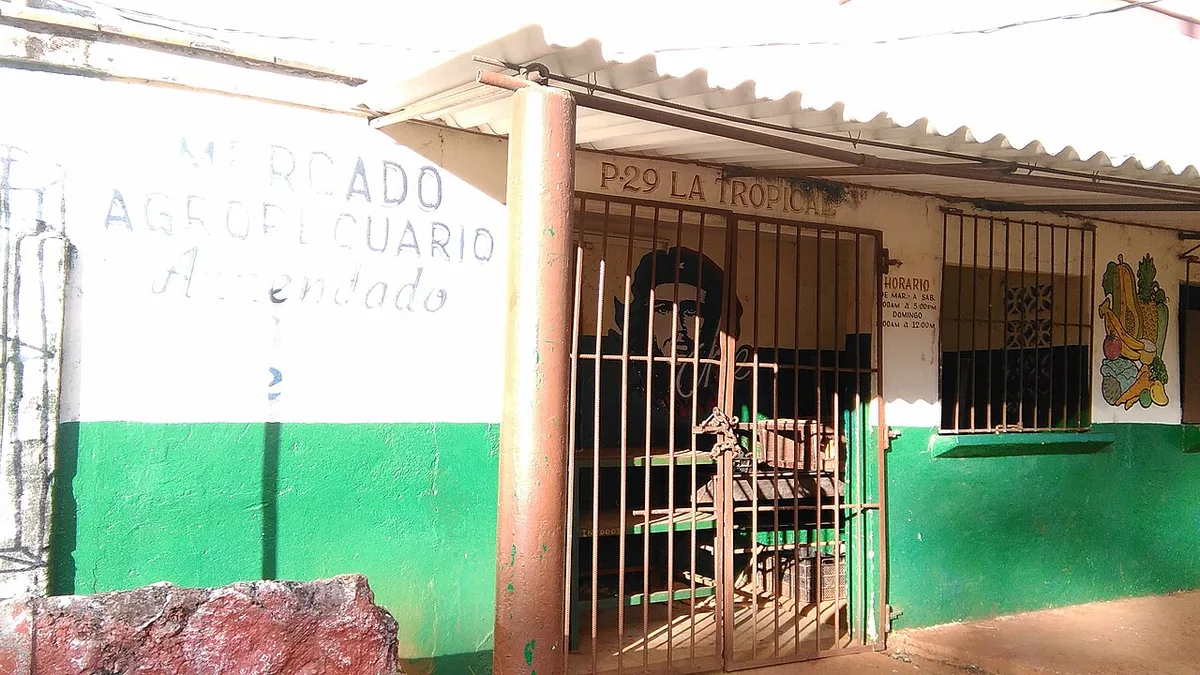
The farmers' markets (Egido, Cuatro Caminos) where the island's produce and pork land: guava, pineapple, malanga, yuca, priced in pesos and argued over properly.
The cocktail classics
El Floridita and La Bodeguita at their counters: one daiquiri, one mojito, the photographs taken, then dinner where the city eats.
Coppelia's queue
The ice cream park in Vedado: the queue, the scoops, the park benches. Havana's sweetest democracy, served daily.
The rules that keep it safe and good
Ask what is good today, not what is on the menu: the paladar's actual menu is spoken, and the question compliments the kitchen.
Carry pesos for windows, markets, and street food, hard currency or cards (non-US) for paladares: the two systems run side by side and each takes its own money.
Eat the famous cocktails once at the source bars for the history; the mythology is true and the rooms are beautiful, and then drink with the city.
Your casa host is the finest food guide in Havana: ask where they sent their cousin last week, and go there.
Photograph plates freely, kitchens by permission: the paladares are family homes first, and the courtesy is remembered.
The markets
Markets are where Havana actually shops and eats. Each one has a different job; go in the morning, when the food counters are at their busiest.
AMercado Egido
The big covered agricultural market at Centro's edge: the island's fruits, roots, pork, and herbs in one hall, priced for Habaneros, the paladar cooks shopping at dawn.
Eat: Fruit as you walk (guava, mamey, pineapple in season); the market's juice stands for the rest.
BMercado de Cuatro Caminos
The restored grand market of 1920 near the station: produce, meats, flowers, and food stalls under a handsome roof, the city's provisioning pride returned to service.
Eat: A market lunch at the stalls: lechón and moros where the shoppers eat.
CPlaza Vieja
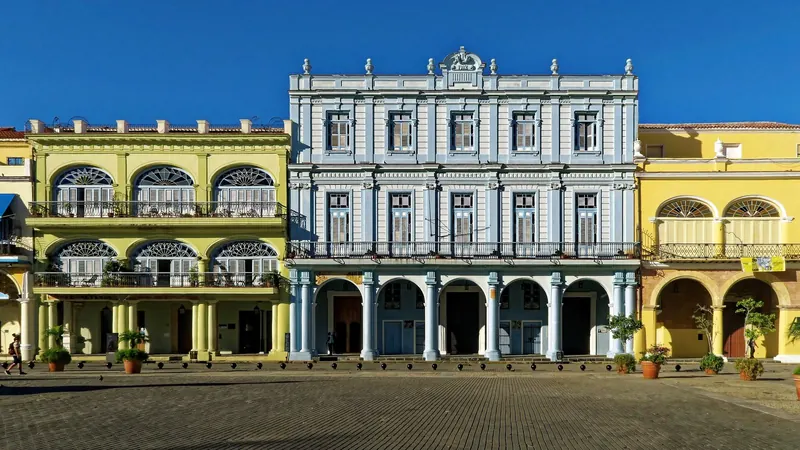
The old town's grandest plaza: arcades of cafes, the brewpub at its corner, and paladares on the balconies above. Market square turned salon, the Vieja's evening seat.
Eat: Coffee or a beer in the arcades, dinner upstairs at a balcony paladar.
DFeria de San José
The artisans' market in the old port warehouses on the Avenida del Puerto: paintings, crafts, and snack stalls, Havana's souvenir economy under a long roof by the bay.
Eat: Snacks and juice between the stalls; save the appetite for the paladar.
EBarrio Chino
The small Chinatown behind the Capitolio: century-old Chinese-Cuban restaurants (chop suey, fried rice, the famous maripositas) on Calle Cuchillo, a living piece of the city's immigration history.
Eat: A Chinese-Cuban lunch on Cuchillo street: it is its own cuisine, found nowhere else whole.
Neighborhoods: 1 Habana Vieja (Old Havana) · 2 Centro Habana and the Malecón · 3 Vedado · 4 Miramar · 5 Playa and the WestMarkets: A Mercado Egido · B Mercado de Cuatro Caminos · C Plaza Vieja · D Feria de San José · E Barrio ChinoPins mark neighborhood centers, so you can place each area against where you are staying. Taxi times under each neighborhood below are measured from the Malecón.
1Habana Vieja (Old Havana)
The restored colonial core: four plazas, paladares in carved-up mansions, the famous cocktail bars (the daiquiri's and mojito's homes), and Plaza Vieja's cafe arcades. The visitor's dining room, beautifully kept.
From the Malecón: The old town is the reference's east end; you are there
2Centro Habana and the Malecón
The crumbling, lived-in center along the sea wall: peso pizza windows, home kitchens, and the Barrio Chino's century-old Chinese-Cuban restaurants. Havana unrehearsed, eating at local prices.
From the Malecón: 15 min on foot along the wall
3Vedado
The 20th-century garden suburb of mansions and hotels: the paladar aristocracy (La Guarida's generation and its heirs), ice cream at Coppelia's modernist park, and the city's evening life along La Rampa.
From the Malecón: 10 min by taxi or almendrón
4Miramar
The embassy suburb west, once the wealthy quarter: large paladares in gardens, the city's business lunches, and a quieter, greener table across the Almendares river.
From the Malecón: 15 min by taxi
5Playa and the West
Beyond Miramar toward the beaches: neighborhood agro markets, home bakeries, and the road out to the Playas del Este. Where Habaneros provision and weekend.
From the Malecón: 25 min by taxi
The people behind the food
The names that explain how Havana cooks the way it does now.
La Guarida
Institution, Centro Habana
The paladar that proved the form: opened in a crumbling Centro mansion (the one from 'Fresa y Chocolate'), with the city's most famous dining room and staircase. Its success taught a generation of Cuban families that a home could be a restaurant the world would cross an ocean for.
Constantino Ribalaigua
Legacy, El Floridita
The 'king of the cocktail' who refined the daiquiri into its blended Floridita form in the 1930s and 40s, served Hemingway at the corner seat, and never drank a drop himself. His bust stands at the bar; his standard runs it still.
The casa hosts
Craft, every neighborhood
The families of the casas particulares, whose breakfasts (fruit, eggs, coffee, bread) start most visitors' Havana days and whose paladar intelligence is the city's true review system. Their dining rooms are the guide behind this guide.
The Coppelia servers
Institution, Vedado
The scoopers of the ice cream cathedral, serving thousands a day through the great queues with the flavors of the moment chalked and honored. Coppelia's staff run one of the world's great democratic dessert services.
The maní vendors
Craft, the streets
The peanut sellers with their paper cones and their song ('Manííí... el manicero'), the street cry that became a world-famous song. Buy the cone; the tune comes free and has since 1930.
If you only eat ten things here
Ropa vieja in a paladar, full plate: moros, maduros, yuca in mojo.
A daiquiri at El Floridita's bar and a mojito at La Bodeguita, once each.
Peso pizza folded and walking, cafecito at a window, Centro at noon.
Coppelia in the main queue: ensalada in the park, flavors of the day.
Lechón with crisp skin on a Sunday, mojo doubled.
Egido market at 8 a.m. with the paladar cooks: mamey if it is there.
A Chinese-Cuban lunch on Calle Cuchillo in the Barrio Chino.
La Guarida's staircase and dining room, cinema history included.
Sunset on the Malecón wall, peanuts from the manicero, dinner after.
A casa breakfast: fruit, eggs, coffee, and the host's paladar tip for the night.
Eating well here
paladar
The family restaurant. In Havana it is not a category of dining; it is dining.
moros y cristianos
'Moors and Christians': black beans and rice, cooked together. Congrí is the red-bean cousin.
mojo
The sour-orange and garlic sauce: marinade, dressing, and national signature in one bowl.
cafecito
The thimble coffee, sweet and strong, from windows and kitchens. One gulp, then the day.
¿qué hay?
'What is there?': the essential Havana menu question, asked at every paladar, every day.
almendrón
The 1950s American cars kept alive as taxis: 'almond' for their shape. The ride is part of the meal's evening.
buen provecho
'Good appetite': said at every table, by strangers, as a matter of national courtesy.
la cuenta, por favor
'The bill, please': paladares itemize clearly; windows and markets settle in pesos on the spot.
What is a paladar, exactly?
A privately run restaurant, historically inside a family home (the name comes from a beloved TV soap's restaurant). Legalized in the 1990s with tight rules, loosened since, the paladares are now Havana's entire serious food scene: state restaurants exist, but the city's cooking lives in the paladares' dining rooms, terraces, and rooftops.
Is it true menus often do not match reality?
Yes, and it is the honest Cuban condition: supply is irregular, so ask what is actually good today ('¿qué hay bueno hoy?'), and let the kitchen's answer beat the printed menu. The paladar's pride shows in what it improvises, not in what it prints.
Currency and paying: what do I need to know?
Carry small bills in hard currency (EUR or USD) plus local pesos for windows, markets, and street food; cards from US banks do not work, and rates change often enough that your paladar or host is the best live source. Prices at paladares are fair by world standards; peso windows are astonishingly cheap.
Can Americans legally eat their way around Havana?
US visitors travel under a general license category (most use 'Support for the Cuban People'), which specifically favors exactly this: paladares, family businesses, and casas particulares over state hotels and restaurants. Eating in paladares is not a loophole; it is the point of the category. Keep records, as the rules ask.
What is a casa particular?
A room or apartment in a Cuban home, licensed like a B&B, and Havana's best lodging culture: breakfasts in family kitchens, hosts who know which paladar got fish today, and the island's working information network. The Fledge pattern: stay in one, eat in paladares, and the city opens.