Birria, carne en su jugo, and a new fine dining wave
The cathedral of Guadalajara, Jalisco. Photo via Wikimedia Commons.
How Guadalajara eats
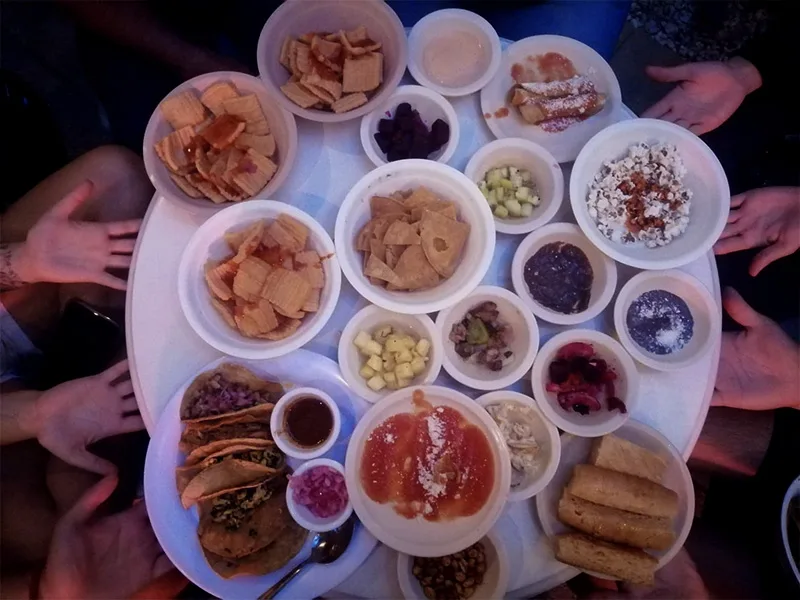
Guadalajara made food history in May 2026, when the city hosted the Michelin Guide Mexico ceremony for the first time. Alcalde, chef Francisco Ruano's temple of seasonal Jalisco cooking, and Xokol, the heirloom-maize laboratory of chefs Xrysw Ruelas and Oscar Segundo, each earned one Michelin star, with Xokol also taking a Green Star for its work with native corn and campesino producers. The Bib Gourmands went to two affordable classics: Palreal's playful cafeteria and the Tacos y Gorditas Elvira stand inside Mercado Alcalde, while La Docena and Birriería Las 9 Esquinas made the Guide's recommended list.
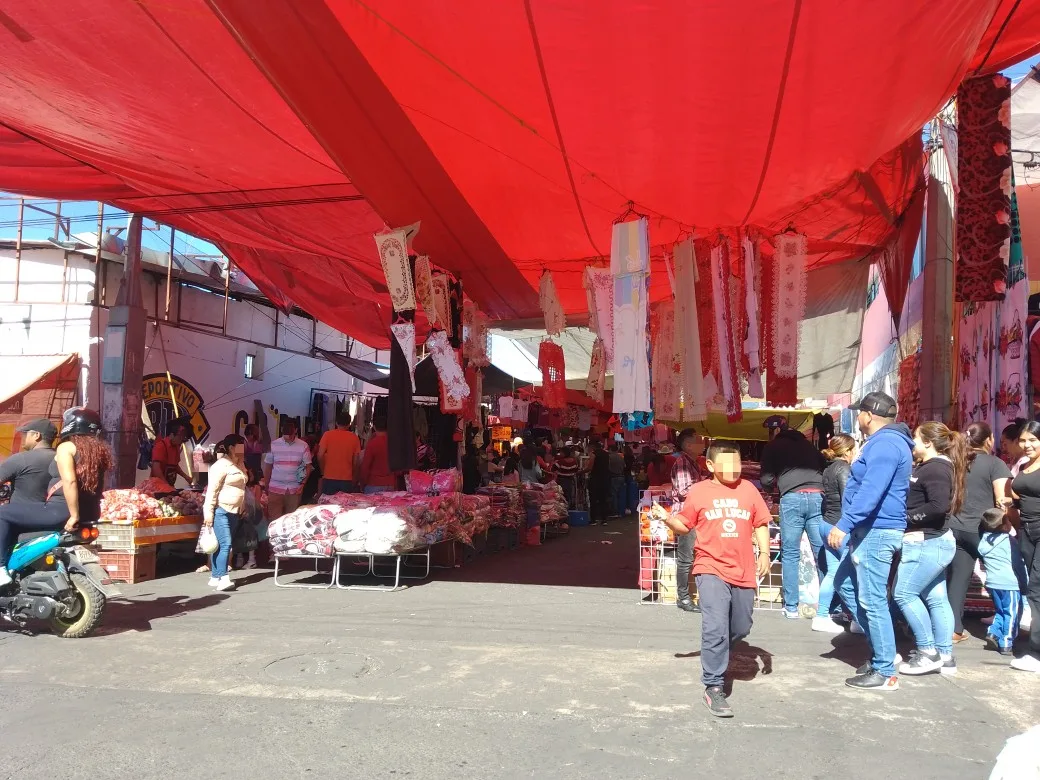
But the city's soul lives in its working-class staples, eaten standing up or elbow-to-elbow at shared tables. Birria de chivo (slow-cooked goat in dried-chile adobo, served with consomé) has been cooked in Las 9 Esquinas since 1986; carne en su jugo, the beef-and-beans stew Karne Garibaldi serves in seconds flat, has been a local obsession since 1970; and the torta ahogada, a pork carnitas sandwich drowned in spicy tomato sauce, is Guadalajara's defining hangover cure. The markets are the front door: Mercado San Juan de Dios, the largest covered market in Latin America, and Mercado Alcalde are where locals still eat best.
Learn the foods
Start here, not with a restaurant. Learn what these foods are, where they come from, and how locals eat them, and the whole city opens up: every menu, every market, every street corner starts making sense.
Birria
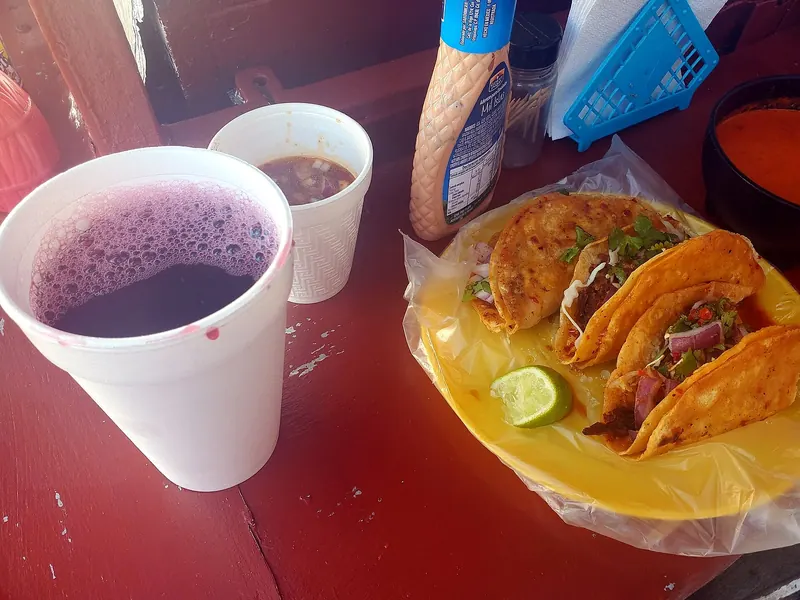
Jalisco's defining stew: goat (traditionally chivo, often beef now) marinated in dried chiles and spices, slow-cooked until it falls apart, served in clay bowls with rich consomé, chopped onion, lime, and handmade tortillas. Eat it for breakfast at Las 9 Esquinas or Mercado Alcalde.
Where it comes from: Birria is Jalisco's gift to the world: goat (now often beef) marinated in dried chiles and spices and slow-cooked until it collapses, a dish rooted in the state's colonial-era goat herds. Guadalajara eats it for breakfast, and Las 9 Esquinas has served it since 1986.
How to eat it: Order a plato with consomé on the side, handmade tortillas, onion, and lime. Ask for it con todo. The broth is half the dish; drink it.
Carne en su jugo
Beef simmered in its own juices with beans and tomatillo, served bubbling with fresh tortillas and refried beans with corn. Karne Garibaldi has held the Guinness record for the world's fastest restaurant since 1996 for serving it in 13.5 seconds.
Where it comes from: Beef in its own juice is a Guadalajara original from the 1960s and 1970s: thin beef simmered with beans and tomatillo into a brothy bowl that is neither soup nor stew. Karne Garibaldi turned it into a speed ritual, holding a Guinness record for serving it in 13.5 seconds.
How to eat it: Eat it with the full set: refried beans with corn, grilled onions, radish, and warm tortillas. It arrives faster than your drink.
Tortas ahogadas
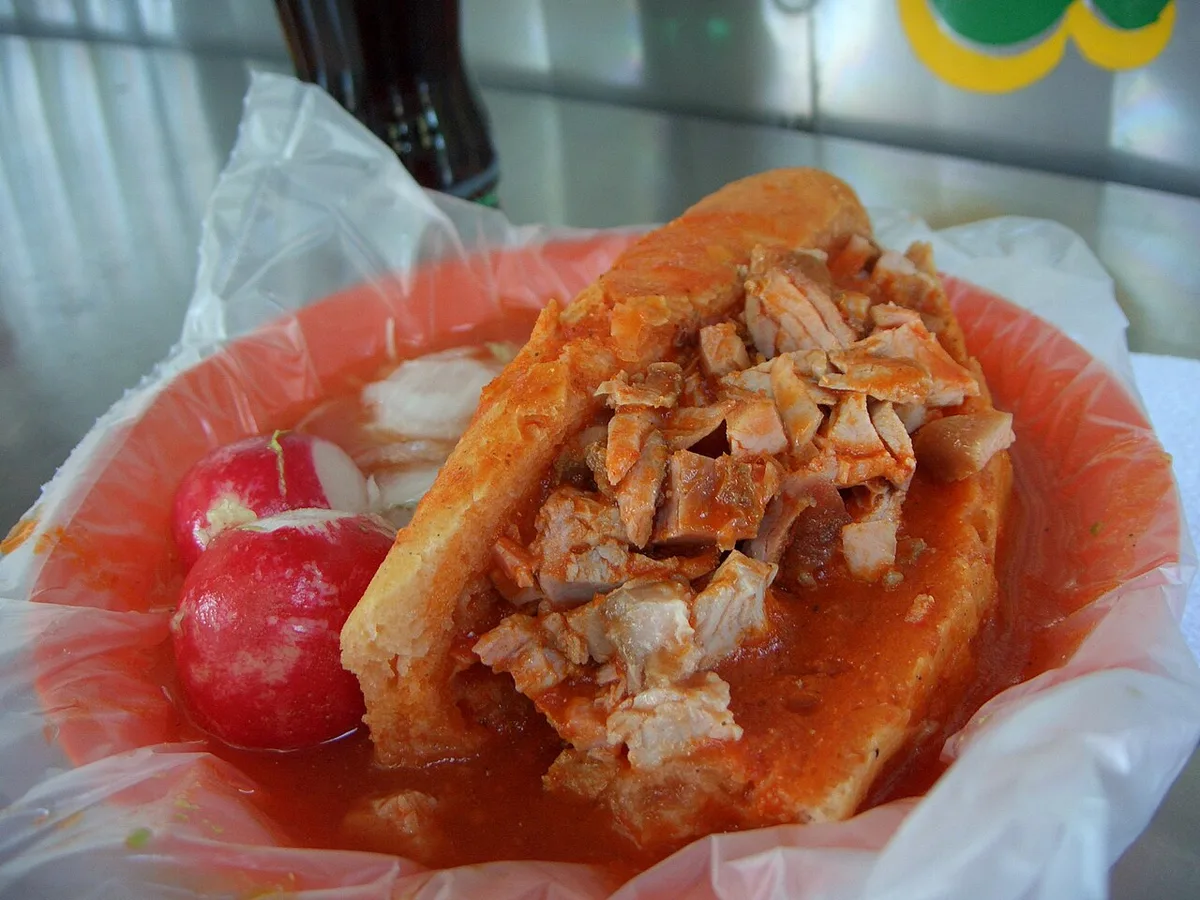
The drowned sandwich: birote bread stuffed with carnitas, submerged in spicy tomato sauce with pickled onion. La Chata makes the classic; Palreal does a celebrated 'sin ahogar' version with less sauce.
Where it comes from: The drowned sandwich is Guadalajara's defining street food, born in the early 1900s: carnitas in a birote salado, a salty, crusty roll that only this city's bakeries make properly, submerged in tomato sauce with chile de árbol heat on request.
How to eat it: Choose your drowning honestly: media (half) before bien ahogada (fully drowned, maximum heat). Eat with your hands over the plate; there are no utensils and no dignity, and the pickled onions are the relief.
Pozole tapatío
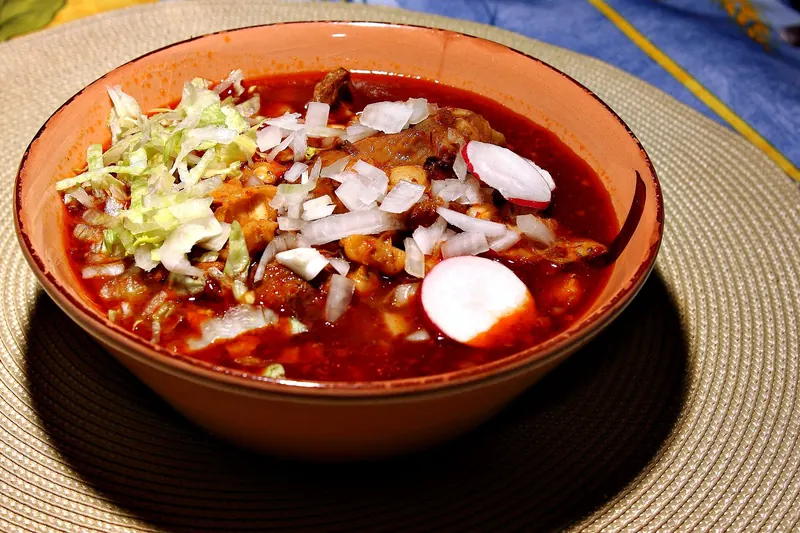
Guadalajara's hominy soup, made with pork or chicken in a red chile broth, finished with radish, lettuce, onion, oregano, and tostadas. La Chata's is the longtime benchmark.
Where it comes from: Pozole descends from pre-Hispanic hominy stews, and the tapatío style is red: pork or chicken in a chile broth with radish, lettuce, onion, and oregano piled on top. In Guadalajara, Thursday is pozole day in the fondas.
How to eat it: Finish it at the table: oregano rubbed between your palms, radish, onion, lime, and a tostada on the side for the broth.
Jericalla
The city's signature flan: baked custard with a burnished top, sold everywhere from market stalls to fine restaurants. La Chata's dessert list starts and nearly ends here.
Where it comes from: Jericalla is Guadalajara's flan, and local legend credits a 19th-century nun at the Hospicio Cabañas orphanage, adapting a recipe from Jérica, Spain. It is baked until the top burnishes, softer and more custardy than a Spanish flan.
How to eat it: Eat it at room temperature or just warm, in the little dish it was baked in. La Chata's is the benchmark.
Tejuino
The fermented corn-and-lime drink sold from carts across the city, often spiked with salt and chile. Sweet, tart, and lightly fizzy: Guadalajara in a cup.
Where it comes from: Tejuino is a pre-Hispanic fermented corn drink from western Mexico: lightly sour, thick, and sold from carts and market stands. It has been Guadalajara's street refreshment for generations, long before anyone called it a probiotic.
How to eat it: Order it con nieve: with a scoop of lime sorbet, a pinch of salt, and chile if the vendor offers. Stir as it melts.
Street food, decoded
Guadalajara's street food is organized by the clock and the market. Birria is breakfast. The torta ahogada is the midday and late-night sandwich. Tejuino carts work the hot hours, and the great markets (San Juan de Dios, Alcalde, Santa Tere) feed the city in between. A tapatío day of eating has a schedule, and visitors who follow it eat better than visitors who follow a list.
The second organizer is the lonche: in this city the word means a sandwich, and loncherías are everywhere. Between birrierías, torta stands, market fondas, and cantinas, almost nobody needs a restaurant with a reservation to eat extremely well here.
The birriería
Birria counters and dining rooms that open in the morning and wind down by mid-afternoon: clay bowls of goat or beef birria, consomé, handmade tortillas. Las 9 Esquinas is the famous address; every neighborhood has its own.
The torta ahogada stand
Stands built around one sandwich: birote rolls, a pot of carnitas, tomato sauce, and the chile de árbol salsa that decides how drowned you get. Speed is the culture; your sandwich is assembled in under a minute.
The market fonda
Inside the big markets, fonda stalls serve the day's comida: pozole, carne en su jugo, tacos, and jericalla for dessert, eaten elbow to elbow at shared counters. Mercado Alcalde's fondas are the classic sit-down version.
The lonchería
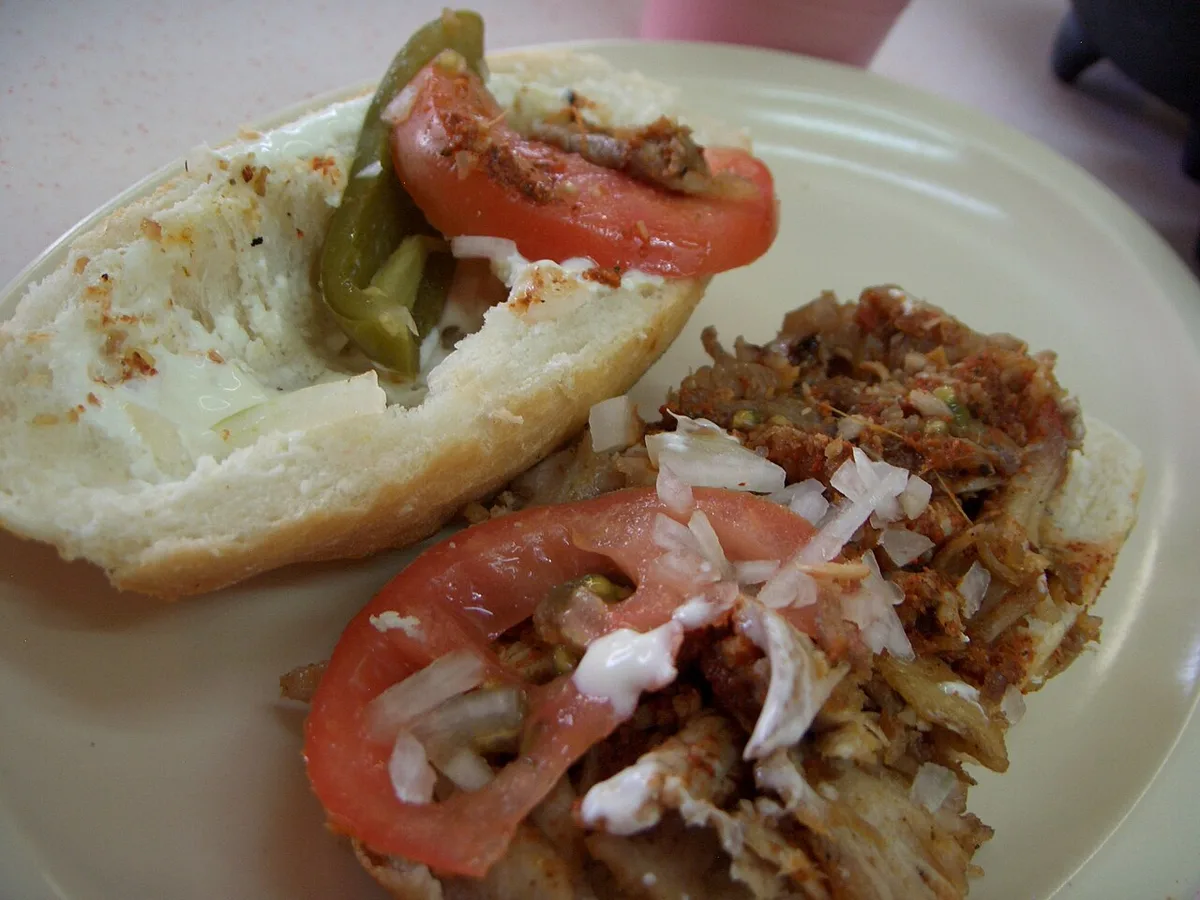
Sandwich shops named for the local word: lonches of pierna (roast pork leg), panela, or milanesa on birote or telera, built to order. The lonche is Guadalajara's workday lunch.
The cantina
Historic cantinas around the Centro serve drinks with botanas that escalate the longer you stay. They are eating places as much as drinking places, best in the late afternoon.
The tianguis
Rotating open-air street markets, each neighborhood on its weekday: produce, prepared food stalls, and tacos at prices the fixed markets cannot match. Ask a local which tianguis is on today.
The rules that keep it safe and good
Birria is a morning food. The best birrierías slow down or close by mid-afternoon; plan the birria breakfast first and build the day around it.
Ahogada heat is ordered by fraction: media, tres cuartos, bien ahogada. The chile de árbol scale is not decorative; media is already serious for most visitors.
Thursday is pozole day (jueves pozolero) in fondas across the city. That is the day to order it.
The Centro markets are morning places: fullest before noon, winding down by late afternoon.
Tip 10 to 15 percent at sit-down places; at stalls, rounding up is appreciated and enough.
The markets
Markets are where Guadalajara actually shops and eats. Each one has a different job; go in the morning, when the food counters are at their busiest.
AMercado San Juan de Dios
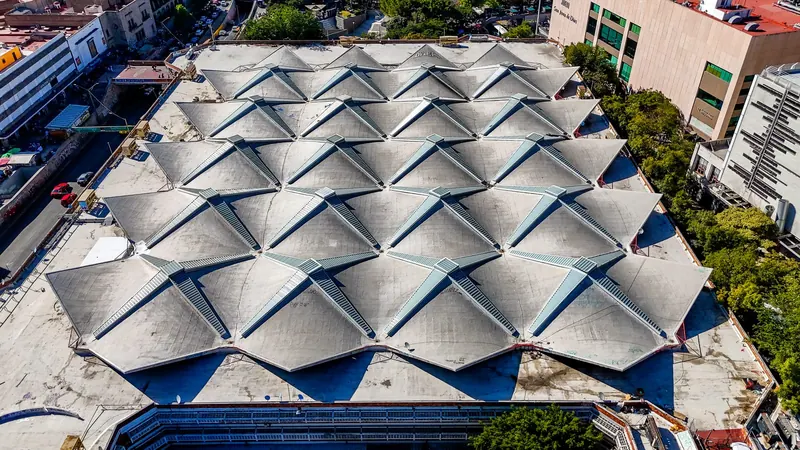
The largest covered market in Latin America: three levels of everything, with a food floor of fondas, birria, seafood, and sweets. It is the city's pantry and its loudest room.
Eat: A fonda lunch upstairs, then jericalla and cajeta sweets to take away.
BMercado Alcalde
The Centro's working food market beside the cathedral quarter, known for its fondas (including the celebrated Tacos y Gorditas Elvira) and torta ahogada stands at the entrances.
Eat: Gorditas at Elvira, then a torta ahogada outside, eaten standing.
CMercado Corona
The flower and herb market by the Centro: flowers, traditional remedies, piñatas, and food stalls around the edges. Best combined with the cathedral and the Rotonda on a morning walk.
Eat: A tejuino from a cart outside, with lime sorbet, in the heat of the day.
DMercado Santa Teresita
Santa Tere's neighborhood market, anchoring the barrio that Karne Garibaldi and Xokol also call home: produce, fondas, and loncherías with a purely local crowd.
Eat: A lonche in the market, then carne en su jugo at Karne Garibaldi around the corner.
EMercado de Abastos
The wholesale market that feeds the city: vast, early, and intense, with fondas serving the traders from before dawn. Go with a local if you can, and go in the morning.
Eat: Whatever the traders are eating at the fonda counters; that is the menu that matters.
Neighborhoods: 1 Centro · 2 Chapultepec / Americana · 3 Providencia · 4 Santa Teresita · 5 Lafayette · 6 TlaquepaqueMarkets: A Mercado San Juan de Dios · B Mercado Alcalde · C Mercado Corona · D Mercado Santa Teresita · E Mercado de AbastosPins mark neighborhood centers, so you can place each area against where you are staying. Taxi times under each neighborhood below are measured from the Cathedral.
1Centro
The historic core: Mercado San Juan de Dios, Mercado Alcalde, and the tapatío institutions La Chata and Birriería Las 9 Esquinas. Best in the morning when the markets are at full speed.
From the Cathedral: 5 min on foot
2Chapultepec / Americana
The nightlife-and-dining corridor around Av. Chapultepec, home to Hueso, Santo Coyote, Aro, El Sacromonte, and the Palreal cafeteria. The densest restaurant zone in the city.
From the Cathedral: 10 min by taxi
3Providencia
Upscale west-side neighborhood with La Docena's oyster bar and quieter residential streets. More polished, less chaotic than the center.
From the Cathedral: 15 min by taxi
4Santa Teresita
Santa Tere, the working-class market barrio turned food district, anchored by Karne Garibaldi and Xokol. Come hungry and eat where the locals eat.
From the Cathedral: 10 min by taxi
5Lafayette
Mansion-lined colony with gardens and galleries, dominated by Bruna's sprawling house restaurant. Elegant without being stiff.
From the Cathedral: 10 min by taxi
6Tlaquepaque
The neighboring arts-and-crafts town of galleries and mariachi plazas, an easy trip for an evening of food and folk culture.
From the Cathedral: 20 min by taxi
The people behind the food
The names that explain how Guadalajara cooks the way it does now.
Francisco Ruano
Chef, Alcalde
Ruano cooks seasonal Jalisco food at Alcalde, the restaurant that put Guadalajara on the fine-dining map and earned the city's first Michelin star in 2026. His cooking treats market ingredients as the luxury.
Xrysw Ruelas and Oscar Segundo
Chefs, Xokol
At Xokol in Santa Tere, Ruelas and Segundo run a laboratory of heirloom maize: native corn varieties, nixtamal, and pre-Hispanic technique, earning a Michelin star and Green Star. The most intellectual cooking in the city, rooted in the market outside.
Fabián Delgado
Chef, PalReal
Delgado's PalReal is a cafeteria in the Americana that became a Bib Gourmand by playing with Guadalajara's classics, including a famous sin ahogar torta that holds back the drowning. Tradition, argued with.
Alfonso Cadena
Chef, Hueso
Cadena's Hueso, in an Americana house papered with thousands of bones, cooks creative Mexican food built on fire and whole animals. It defined the west-side dining corridors' ambition.
Jesús Escalera
Pastry chef, La Postrería
Escalera's La Postrería is a dessert restaurant: full tasting menus of sweets built with avant-garde technique and Mexican ingredients. It made Guadalajara a destination for pastry in a country that rarely gets credited for it.
If you only eat ten things here
Birria de chivo with consomé at Birriería Las 9 Esquinas, for breakfast.
Carne en su jugo at Karne Garibaldi, timed against the house record.
A torta ahogada at media heat before you attempt bien ahogada.
A tejuino with lime sorbet from a cart near the Centro markets.
Jericalla at La Chata, in the dish it was baked in.
Pozole on a Thursday, finished with oregano rubbed between your palms.
A lonche de pierna in Santa Tere.
Gorditas at Tacos y Gorditas Elvira inside Mercado Alcalde.
A cantarito in Tlaquepaque with mariachi in the plaza.
One splurge dinner: Alcalde or Xokol, booked ahead.
Eating well here
lonche
A sandwich. In the rest of Mexico it is a torta; in Guadalajara, order a lonche.
birote
The salty, crusty local roll, birote salado, without which a torta ahogada collapses. It only bakes right here.
media / bien ahogada
Your heat order for a torta ahogada: half-drowned or fully drowned in chile sauce. Bien ahogada is a commitment.
tapatío
A person from Guadalajara (and the adjective for everything from here). The name comes from the old word for the valley's markets.
consomé
The birria broth, served alongside for sipping and dipping tortillas. Never leave it.
con todo
'With everything': onion, cilantro, lime, and salsa. The default correct answer at any stand.
cantina botanas
The free snacks that arrive with drinks at a traditional cantina, growing more substantial the longer you stay.
buen provecho
The greeting said to anyone eating, including strangers you pass at a market counter. Say it back.
How much should I tip in Guadalajara?
Ten to fifteen percent is standard in restaurants; locals leave 10% at casual spots and 15% for good service at nicer ones. Check your bill first: if it already lists 'servicio' or 'propina sugerida,' adding more is optional. Market stalls and taco stands don't expect tips.
Is Guadalajara safe for food tourists?
The main dining areas, Chapultepec, Providencia, Tlaquepaque, and the historic center by day, are busy and comfortable for visitors. Use Uber or DiDi at night rather than hailing street taxis, keep phones out of sight on sidewalks, and eat at market stalls with high turnover.
Where should I stay to be near the best food?
Colonia Americana/Chapultepec puts you within walking distance of Hueso, Santo Coyote, Palreal, and dozens of bars. Providencia is quieter and more upscale near La Docena. The historic center is best for market mornings: Mercado San Juan de Dios and Mercado Alcalde.
What should I budget per meal?
Market breakfasts and taco runs cost 100-250 pesos a person. Mid-range restaurants like La Chata, Karne Garibaldi, and Santo Coyote run 250-600 pesos. Fine dining tasting menus at Alcalde, Xokol, Hueso, and Aro are special-occasion spending.
When is the best time of day to eat birria?
Morning. Birria is Guadalajara's breakfast: the best birrierias open by 8-9am and many sell out of the prime cuts by early afternoon. Birriería Las 9 Esquinas serves daily from 8am to 9pm; Mercado Alcalde stalls keep market hours.