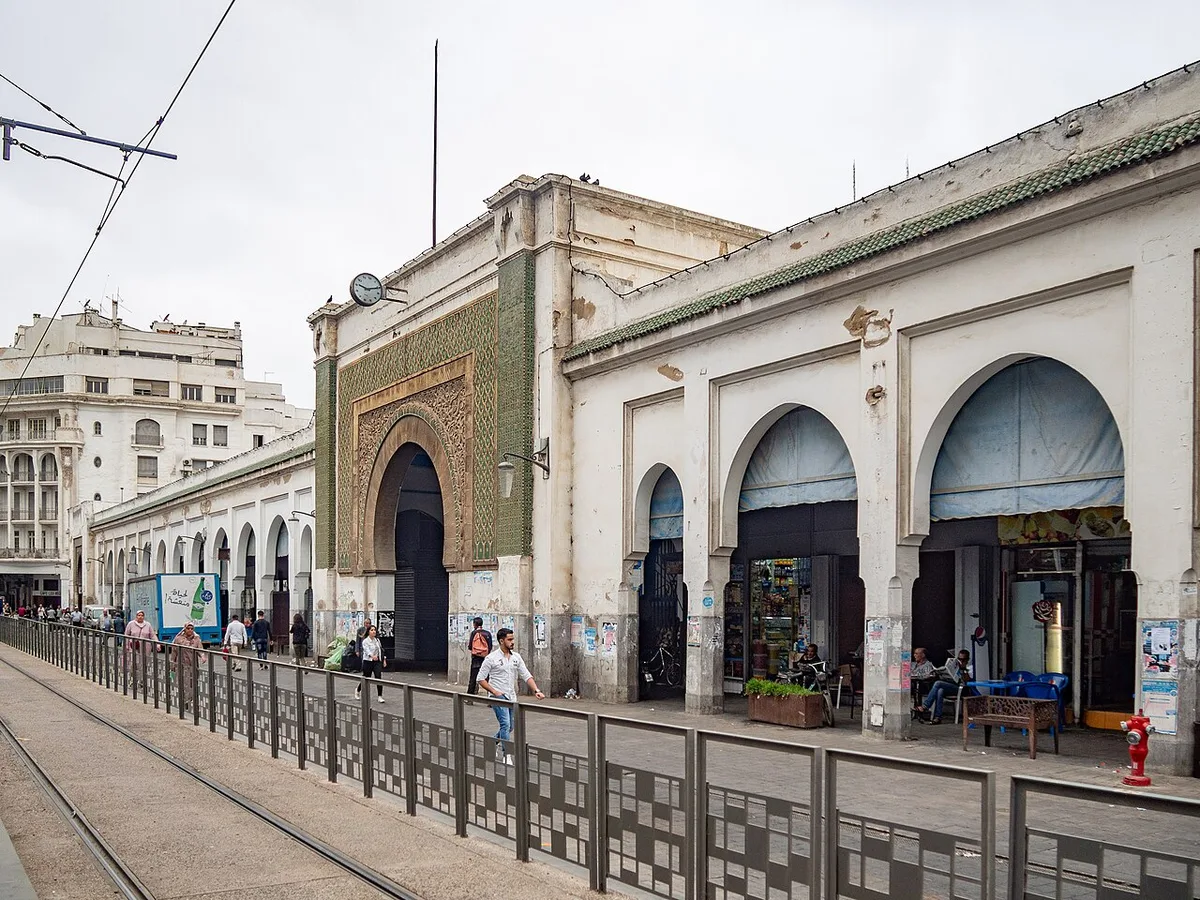
The Hassan II Mosque minaret at dusk, Casablanca. Photo via Wikimedia Commons.
How Casablanca eats
Casablanca is not a postcard; it is Morocco's engine room, the largest city in the Maghreb, and it eats like a place with money, appetite, and a working port. The food city here is not the medina: it is the Marché Central at 8 a.m., where oyster sellers shuck Oualidia oysters for standing customers, the grill restaurants by the fishing port, and the Art Deco brasseries of the downtown the French built in the 1920s and 30s.
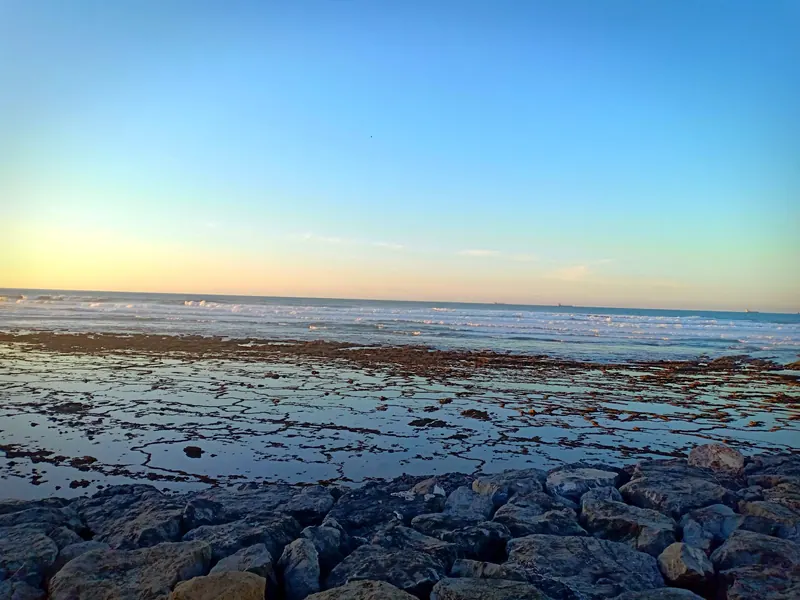
Travelers pass through Casablanca on the way somewhere else and miss the point. Stay a day, eat where Casablancais eat (in the Habous over cornes de gazelle, on the Ain Diab corniche over grilled fish at sunset), and the city explains itself better than any monument could. The Hassan II Mosque is the sight; the market is the story.
Learn the foods
Start here, not with a restaurant. Learn what these foods are, where they come from, and how locals eat them, and the whole city opens up: every menu, every market, every street corner starts making sense.
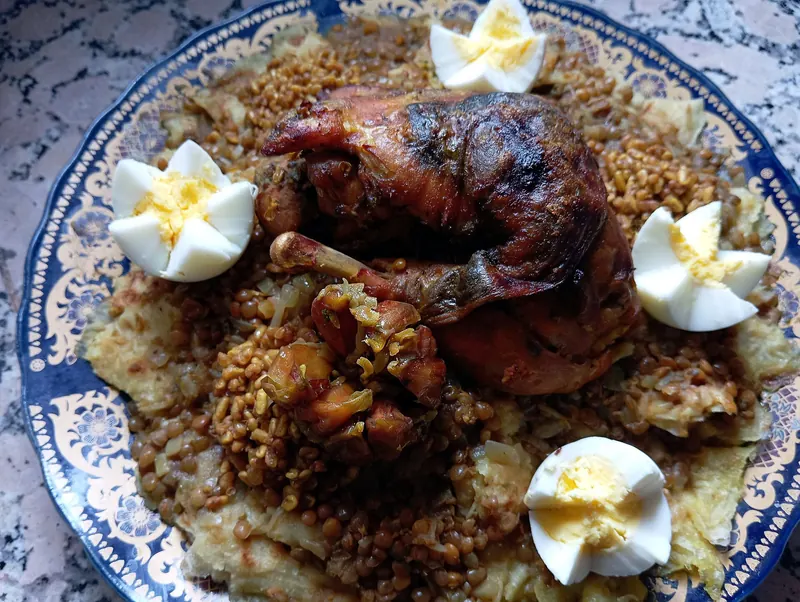
Rfissa
Casablanca's celebration dish: shredded msemen drowned in a fenugreek-lentil broth with chicken, made for births, weddings, and Fridays that matter. Rich, earthy, and unmistakably of this region.
Where it comes from: Rfissa belongs to the Casablanca-Settat plain: the dish families commission when something important happens, traditionally served to new mothers for strength. The fenugreek in the broth is the signature; nothing else in Moroccan cooking tastes like it.
How to eat it: From the shared platter with a spoon. When a restaurant lists rfissa (usually by order, or on Fridays), that is the day to go.
Oysters at the Marché Central
Oualidia and Dakhla oysters, shucked to order at the market's stalls and eaten standing with a squeeze of lemon. Casablanca's great cheap luxury, done in five minutes.
Where it comes from: Oualidia, up the coast, farms oysters in its lagoon, and Casablanca's Marché Central is where they land for the city's tables. The stalls inside the market have shucked for generations of office workers on lunch breaks.
How to eat it: Order by the half dozen at a stall counter, watch them opened, eat immediately. Buy fish at the next stall and the market's small restaurants will grill it for a fee.
Grilled fish at the port
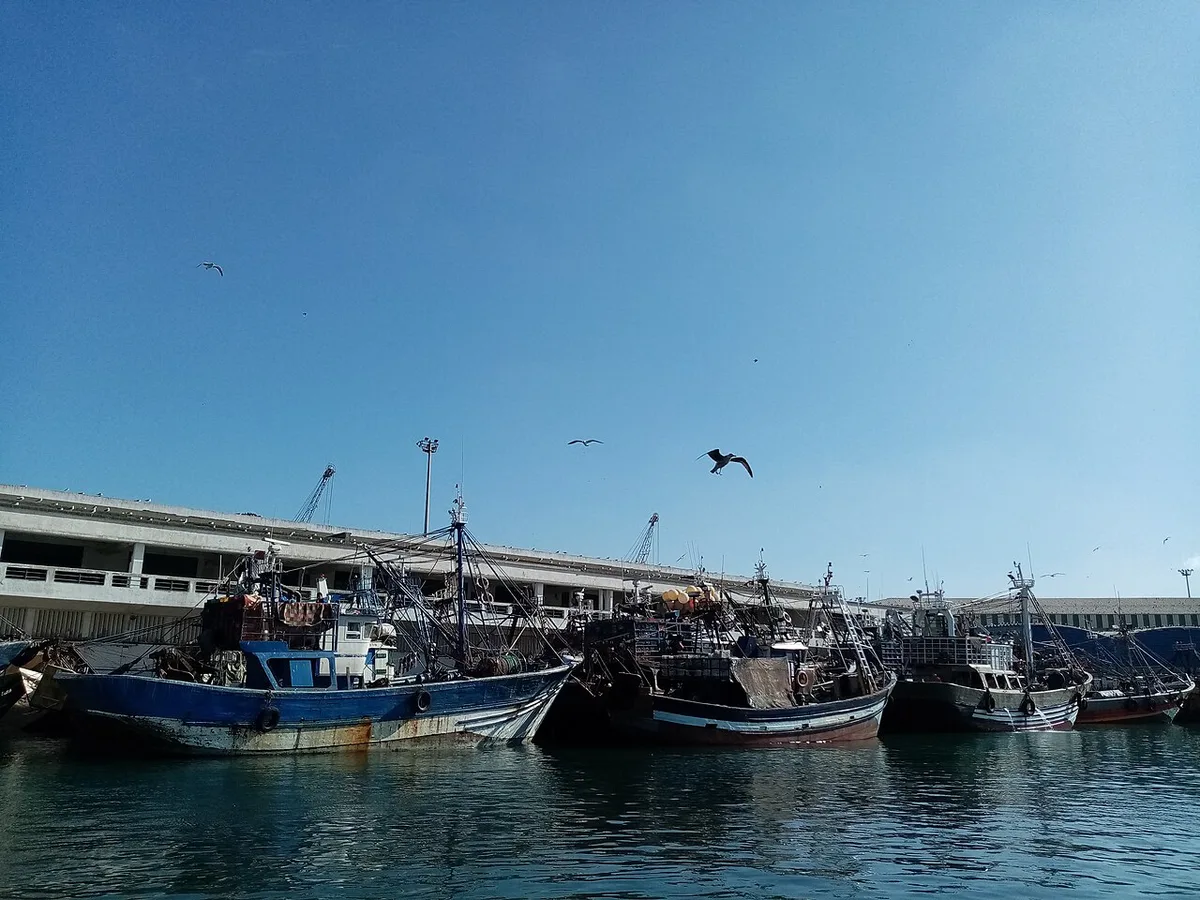
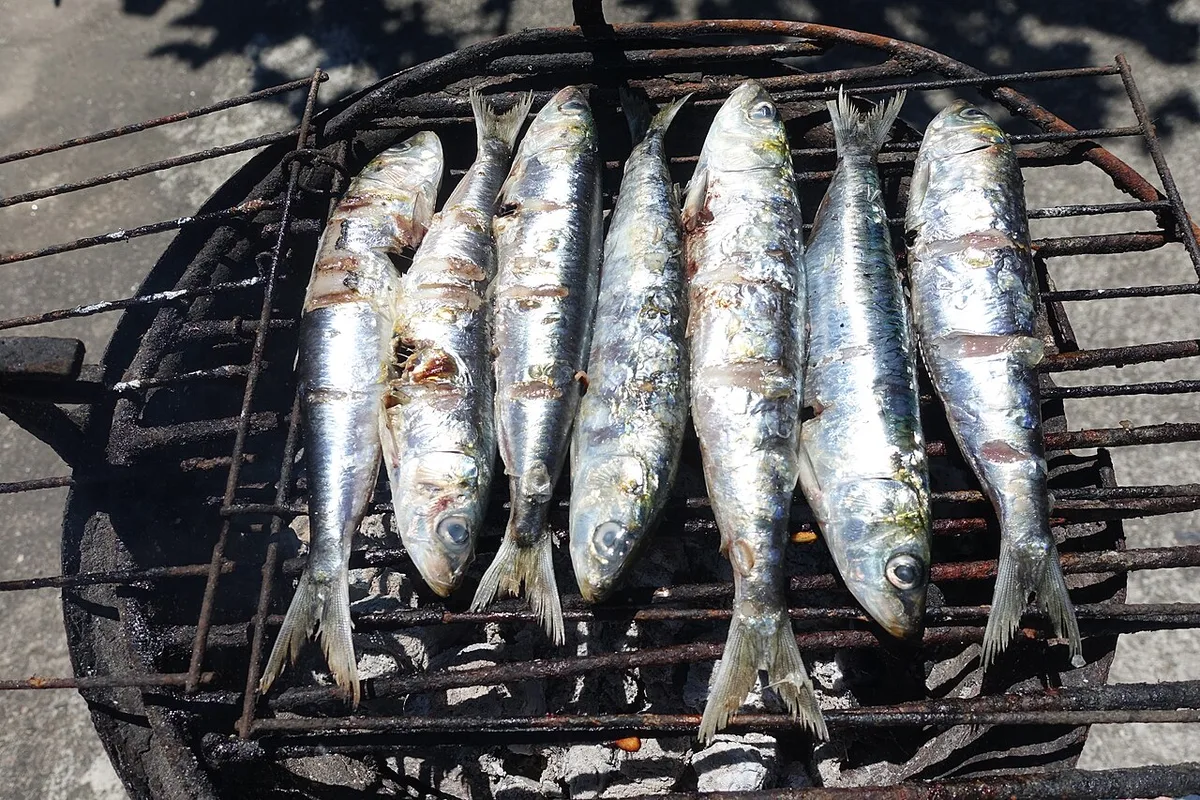
Sardines, sole, sea bream, and whatever the boats brought, grilled over charcoal at the simple restaurants by the fishing port. Chermoula (garlic, herb, and spice marinade) on everything.
Where it comes from: Casablanca's port is one of Morocco's great fishing harbors, and the grill houses at its edge run on a short chain: boat, market stall, charcoal. Sardines are the city's fish, cheap enough to be democratic.
How to eat it: Pick your fish, agree the price by weight, eat with khobz, salad, and harissa. Lunch is the serious sitting; go when the boats' catch is freshest.
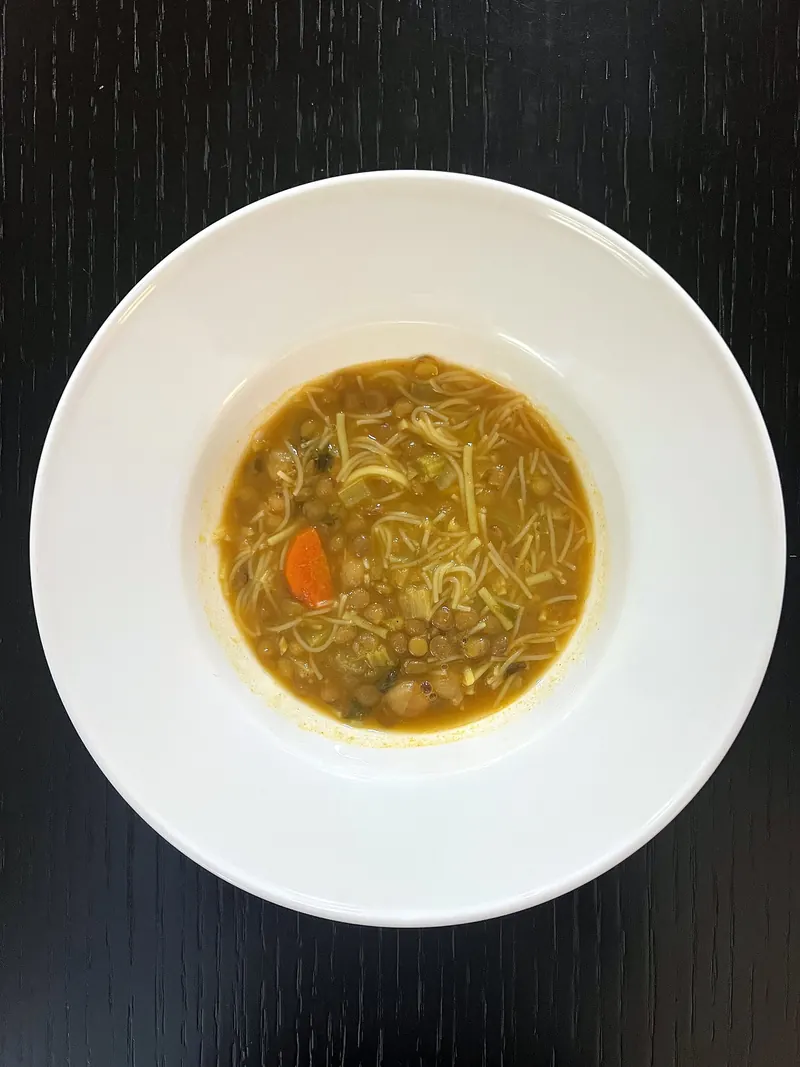
Harira
The tomato-lentil-chickpea soup that opens evenings and breaks fasts, served in Casablanca's cafes with dates and chebakia. The city's default bowl, done well everywhere.
Where it comes from: In a business city, harira is infrastructure: the soup that starts the evening meal from the medina to the corniche. Casablanca's cafe version, with a boiled egg on the side, is a small meal by itself.
How to eat it: At a cafe table at dusk, chebakia's honey against the soup's acidity, before deciding where dinner actually happens.
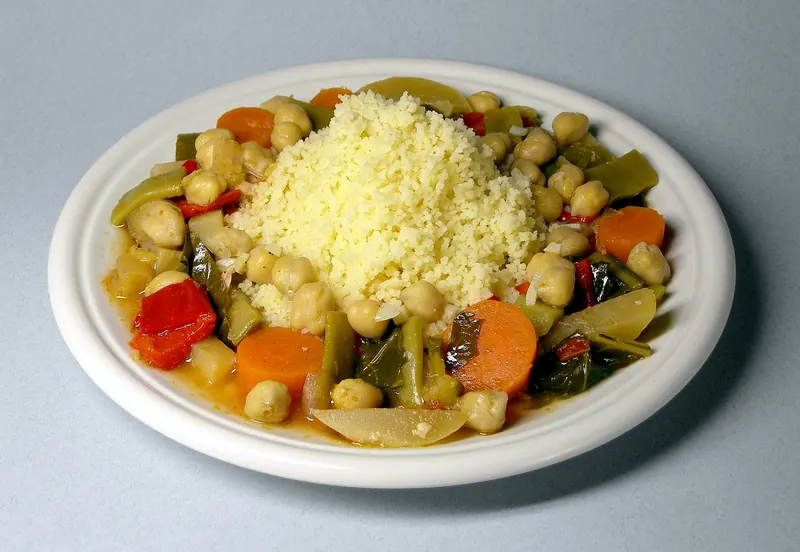
Couscous
Friday's dish in the country's biggest city: steamed semolina with vegetables, chickpeas, and meat, eaten communally after prayers, at home and in the restaurants that still observe the rhythm.
Where it comes from: Casablanca works all week; Friday lunch is when the machine pauses. The couscous tradition survived the office calendar: restaurants fill with families, and the platter is the week's reset.
How to eat it: Friday, midday, shared. In a work-trip city, it is also your best window into how Casablancais actually live.
Cornes de gazelle
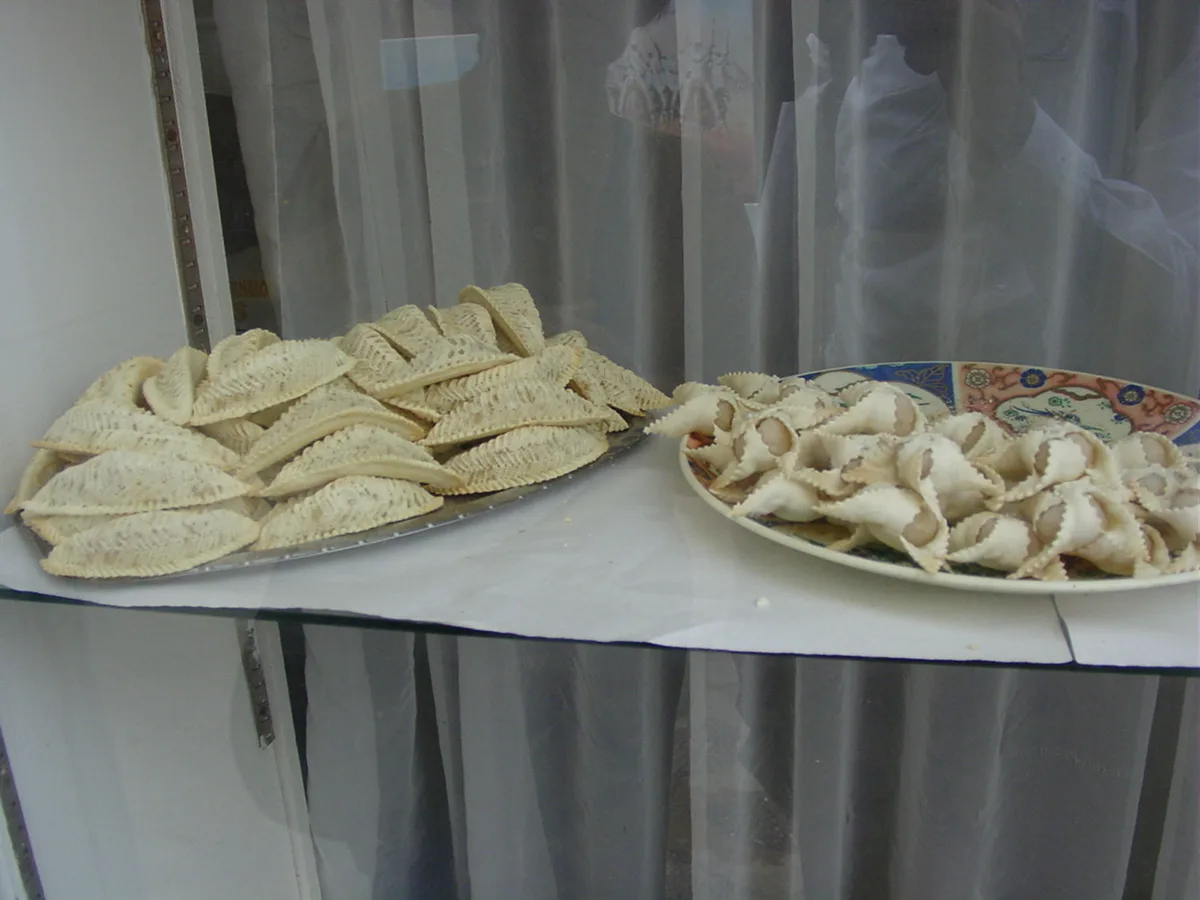
Gazelle's horns: crescent pastries of almond paste perfumed with orange blossom water, the Habous's gift to the nation. Pâtisserie Bennis is the name Moroccans give when you ask where.
Where it comes from: The Habous was built as a model medina in the 1930s, and its pâtisseries became the city's sweet standard. Bennis's cornes de gazelle are the benchmark: thin pastry, soft almond center, no shortcuts with the orange blossom.
How to eat it: Buy a box in the Habous, eat two immediately, take the rest for the train. With mint tea, always.
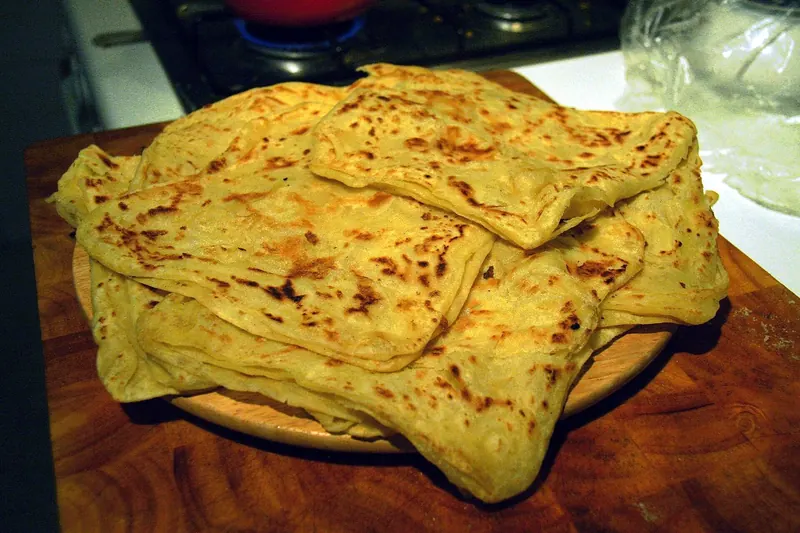
Msemen and mint tea
The flaky square flatbread with cheese or amlou, and high-poured mint tea: the pause that structures the Casablancais cafe day, from medina doorways to Gauthier terraces.
Where it comes from: Casablanca runs on cafes: deals, football, and long mornings happen at cafe tables. The msemen-and-tea order is the entry ticket, and nobody will rush you out of the seat it buys.
How to eat it: Order, tear, drag through amlou, and take the full hour the ritual implies. The city rewards people who sit still in it.
Street food, decoded
Casablanca grazes at counters: oysters standing up in the Marché Central, sardines at the port, msemen in cafe doorways, and pastries in the Habous eaten two-before-you-leave-the-shop. The city's street food is a worker's system, priced for lunch hours and repeated daily, which is exactly why it is good.
The sit-down layer is French in form and Moroccan in substance: brasseries under the Art Deco arcades, fish restaurants on the corniche, and the modern dining rooms of Gauthier. Learn both, the counter and the brasserie, and you can eat in Casablanca the way Casablancais do.
The Marché Central oyster stall
Shucked to order, eaten standing, lemon only. The market's stalls also sell fish that the small in-market restaurants grill for a cooking fee: the best lunch system in the city.
The port grill
By the fishing port, simple restaurants grill the morning's catch over charcoal: choose the fish, agree the price, eat with bread and salad. No menus to speak of; the boats wrote it.
The Art Deco brasserie
Downtown's arcaded brasseries serve Moroccan classics and French plates to the business city: white tablecloths, quick service, and a 1920s room. Lunch is the performance.
The Habous pastry run
Cornes de gazelle and kaab el ghazal from Habous pâtisseries, eaten in the arcades with the box still open. Bennis is the benchmark name.
The corniche fish terrace
Ain Diab's seafood terraces face the Atlantic and the sunset: grilled fish, salads, and the city's evening out. Friday and Sunday are the shows.
The medina grill
The old medina's small grills and soup stalls feed their neighborhood without translation or theater: harira, brochettes, bread. The cheapest good lunch near the port.
The rules that keep it safe and good
At the Marché Central, the system is buy-then-grill: purchase fish at a stall, take it to a market restaurant, pay the cooking fee. Ask the stallholder which one; they all have opinions.
Seafood prices are by weight and by day: agree the total before the fish hits the grill, especially at the port.
Petit taxis: the meter (compteur) is the rule. If it is 'broken', the next taxi's works.
Friday couscous reshapes lunch; brasseries fill with families and service slows happily.
Casablanca is a business city: people dress for dinner in Gauthier and on the corniche. The medina does not care; the west side does.
The markets
Markets are where Casablanca actually shops and eats. Each one has a different job; go in the morning, when the food counters are at their busiest.
AMarché Central
The downtown covered market on Boulevard Mohammed V: fish halls, oyster stalls, flowers, and the small restaurants that cook what you buy. The single best food stop in Casablanca, best before noon.
Eat: Oysters standing up, then your own fish grilled by a market kitchen.
BThe fishing port
The port de pêche and its grill restaurants: boats, auction bustle, and charcoal smoke from mid-morning. Come for lunch and watch the city's fish arrive.
Eat: Sardines and sea bream with chermoula, bread, and salad.
CThe Habous souks
The model medina's arcades: books, olives, spices, carpets, and the pâtisseries. The calmest market shopping in Morocco, with the best pastries.
Eat: Cornes de gazelle at Bennis, two now, a box for later.
DDerb Ghallef
The city's vast flea and electronics market: a maze of stalls with food alleys feeding the traders. Not polished, endlessly interesting, and the Casablancais' own souk.
Eat: Whatever the traders queue for at the grill stalls inside.
EThe Old Medina market lanes
Around Bab Marrakech and the clock tower: everyday stalls, bread, olives, and grills for the medina's residents. Small scale, honest prices, zero theater.
Eat: Harira and brochettes at a counter, medina-style.
Neighborhoods: 1 The Old Medina · 2 Centre-Ville · 3 The Habous · 4 Maarif and Gauthier · 5 Ain Diab and the CornicheMarkets: A Marché Central · B The fishing port · C The Habous souks · D Derb Ghallef · E The Old Medina market lanesPins mark neighborhood centers, so you can place each area against where you are staying. Taxi times under each neighborhood below are measured from Place Mohammed V.
1The Old Medina
The small, workaday old city by the port: clock tower gate, simple grills, juice stalls, and none of the performance of Fès or Marrakech. Casablanca before the French grid, still feeding its own.
From Place Mohammed V: 5 min on foot
2Centre-Ville
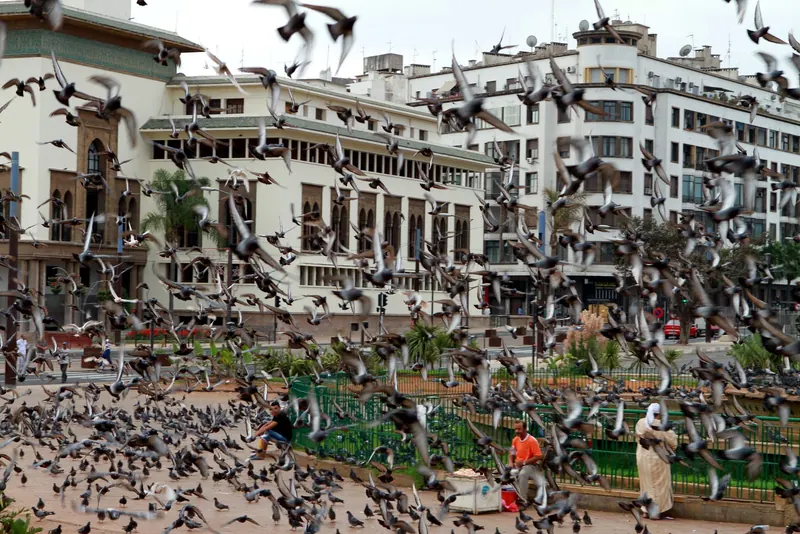
The Art Deco downtown around Place Mohammed V and Boulevard Mohammed V: brasseries under arcades, the Marché Central, old hotels, and the city's business lunch at full strength.
From Place Mohammed V: Place Mohammed V is its heart; you are there
3The Habous
The 'new medina' the French built in the 1930s: neat arcades, the book souk, olive and spice sellers, and Pâtisserie Bennis, famous across Morocco for cornes de gazelle. Orderly, fragrant, delicious.
From Place Mohammed V: 10 min by taxi
4Maarif and Gauthier
The smart residential west of the center: Gauthier's cafes and wine bars, Maarif's shopping streets, and the restaurants where young Casablanca goes out. The city's modern dining room.
From Place Mohammed V: 10 min by taxi
5Ain Diab and the Corniche
The Atlantic corniche: beach clubs, seafood terraces, and sunset grills running west from the Hassan II Mosque. Casablanca at leisure, eating fish it caught that morning.
From Place Mohammed V: 15 min by taxi
The people behind the food
The names that explain how Casablanca cooks the way it does now.
The Marché Central oyster shuckers
Institution, Marché Central
The stall keepers who have shucked Oualidia oysters for the downtown lunch crowd for decades: speed, a lemon wedge, and an opinion about which restaurant should grill your fish. Their counters are Casablanca's raw bar, without the name.
Pâtisserie Bennis
Institution, the Habous
The Habous bakery whose cornes de gazelle set the national standard: almond paste, orange blossom, pastry thin enough to read through. Casablancais carry Bennis boxes to family visits the way other cities carry flowers.
Kathy Kriger
Founder, Rick's Café
The American former diplomat who spent years recreating the film's Rick's Café in a medina-edge mansion, against everyone's advice, and made it the city's most famous dining room. A monument to a movie, built with genuine devotion.
The port grill keepers
Institution, the fishing port
The grill-house families by the harbor who read the morning's catch like a menu written in fish. Their chermoula, charcoal timing, and by-weight honesty feed everyone from dockers to executives.
The Gauthier restaurateurs
The new table, Maarif and Gauthier
The young chefs and cafe owners of the west side, cooking Moroccan ingredients in modern rooms for a Casablanca audience that eats out nightly. Where the city's food is going, it is going here first.
If you only eat ten things here
Oysters standing up at the Marché Central, before 11 a.m.
Your own fish, bought at a market stall, grilled by a market kitchen.
Sardines with chermoula at a port grill for lunch.
Cornes de gazelle at Bennis in the Habous, eaten in the arcade.
A Friday couscous in a downtown brasserie.
Grilled fish on the Ain Diab corniche at sunset.
Harira and chebakia at a medina cafe at dusk.
A Gauthier dinner in the city's modern dining room.
Rfissa when a menu offers it; it will not be every day.
Mint tea and msemen at a cafe table, held for a full hour.
Eating well here
chermoula
The garlic, cilantro, and spice marinade fish wears before the grill. Ask for it by name.
kaab el ghazal
'Gazelle's ankles': cornes de gazelle, the almond crescents of the Habous.
rfissa
The region's celebration dish: shredded msemen, chicken, lentils, fenugreek broth.
bghit
Darija for 'I want': 'bghit juj' (I want two) opens most market transactions politely.
corniche
The seafront road and its terraces, Ain Diab side. Sunset is the reservation to make.
petit taxi
The small red city taxi. Meter on, or agree the fare first.
atay
Mint tea. In Casablanca cafes it arrives with the first sit-down and refills all morning.
shukran
Thank you, everywhere in Morocco, for everything.
Is Casablanca worth a stop for food, or should I skip to Fès and Marrakech?
Worth a full day, on different terms: Casablanca is where Morocco eats now, not where it ate in 1400. The Marché Central oysters, the port grills, the Habous, and a corniche fish dinner are a working city's pleasures, and most visitors never have them.
Should I go to Rick's Café?
Know what it is: a beautiful 2004 recreation of a film set from a 1942 movie, opened by an American ex-diplomat, serving good international food to people who love the film. As cinema nostalgia, it is charming. As Moroccan food, eat elsewhere and have a drink there after.
Is the seafood safe?
At the market stalls and port grills, turnover is the guarantee: the fish moves the day it lands, and the stalls cook for a local trade that would notice. Eat where it is busy, which at the Marché Central is everywhere.
How do I get around the food city?
The tramway crosses the center cleanly (medina, Marché Central, Habous side), red petit taxis do the rest: insist on the meter. Ain Diab is a taxi ride west along the corniche.
Where should I stay to eat well?
Centre-Ville for the brasseries and market, Ain Diab for the corniche at your feet. The medina is for visiting, not sleeping, in this city.