The capital's table: döner, tava, and Anatolian depth
Anıtkabir, the mausoleum of Atatürk, Ankara. Photo via Wikimedia Commons.
How Ankara eats
Ankara is not Turkey's glamorous table, and that is its value: a capital of civil servants and students eating the Anatolian canon without decoration. The city claims the döner was refined here (the vertical spit, carefully stacked), owns Ankara tava (lamb with orzo pilaf) outright, and runs its lunch hours on institutions like ASPAVA, the beloved lokanta name whose letters promise health, money, appetite, and amen.
Eat in Ulus, the old town under the citadel, where the esnaf lokantaları still serve the trades; take the citadel tea gardens for the view; and day-trip to Beypazarı, the market town whose carrot lokum and 80-layer baklava out-punch the capital's own sweets. Ankara feeds the traveler who wants Turkey's everyday, done properly.
Learn the foods
Start here, not with a restaurant. Learn what these foods are, where they come from, and how locals eat them, and the whole city opens up: every menu, every market, every street corner starts making sense.
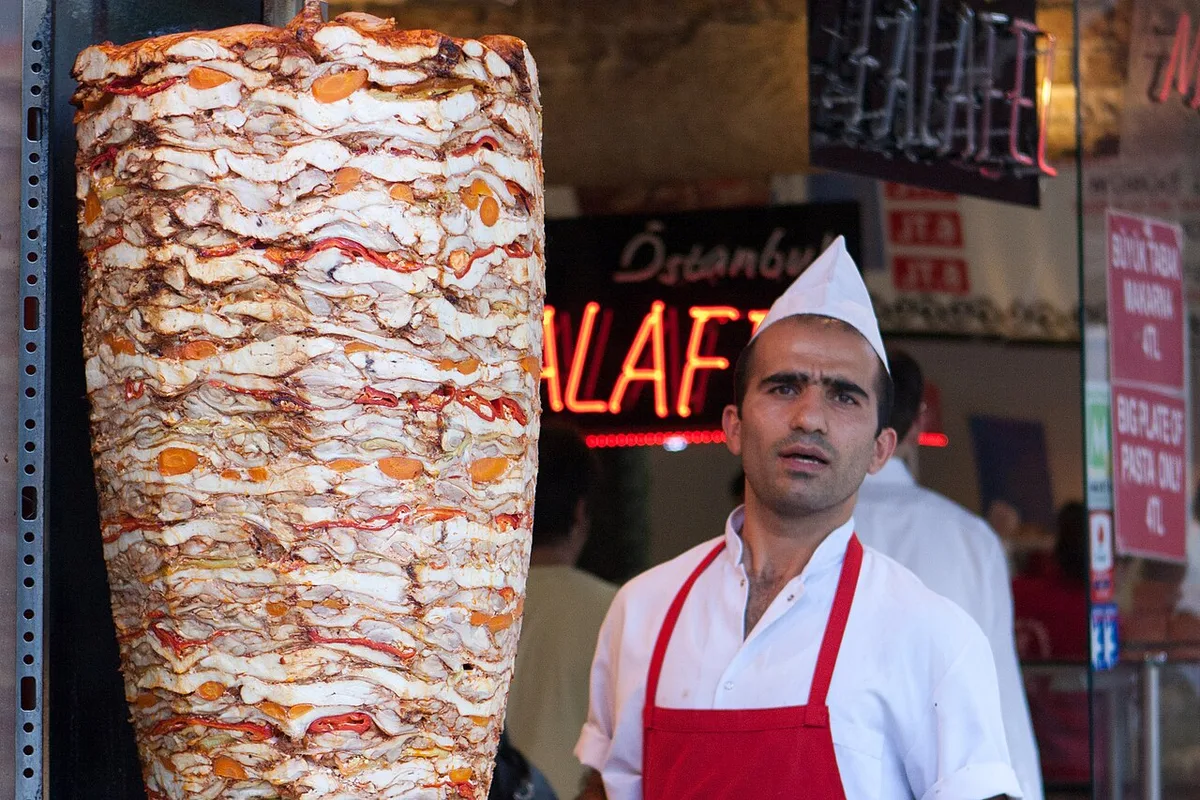
Ankara döneri
The capital's claim: döner stacked by hand from seasoned lamb and beef, cut thick over pide or rice, served with the city's pride. Ankara's dönerciler are its aristocracy.
Where it comes from: Döner's invention is claimed by Bursa and Kastamonu among others, but Ankara's masters argue the modern form (the tight stack, the charcoal, the thick cut) is theirs. The capital's famous döner houses run lunch queues of officials who have eaten the same plate for thirty years.
How to eat it: 'İskender' style over pide with tomato sauce and butter, or 'pilav üstü' over rice; the dönerci's own ayran beside it. Lunch is the fresh cut; go before 1.
Ankara tava
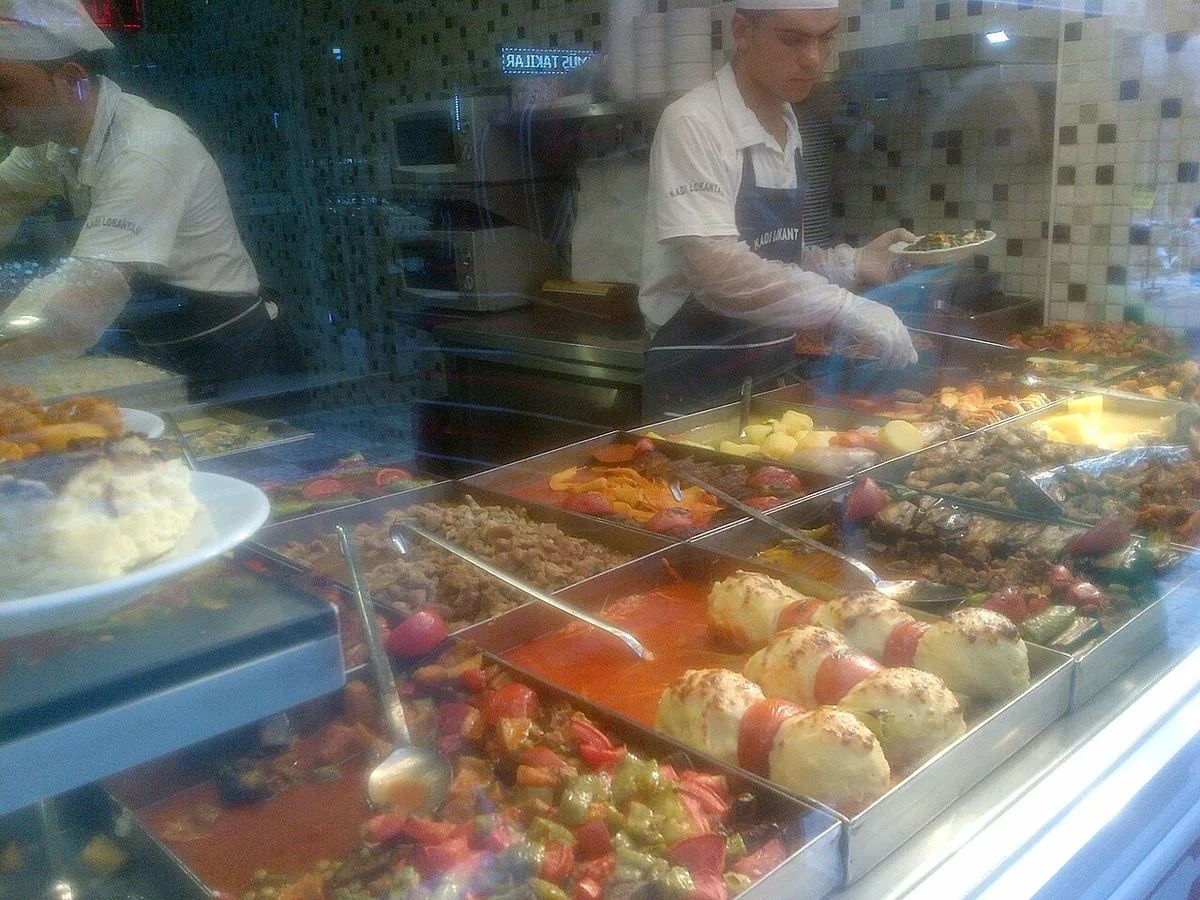
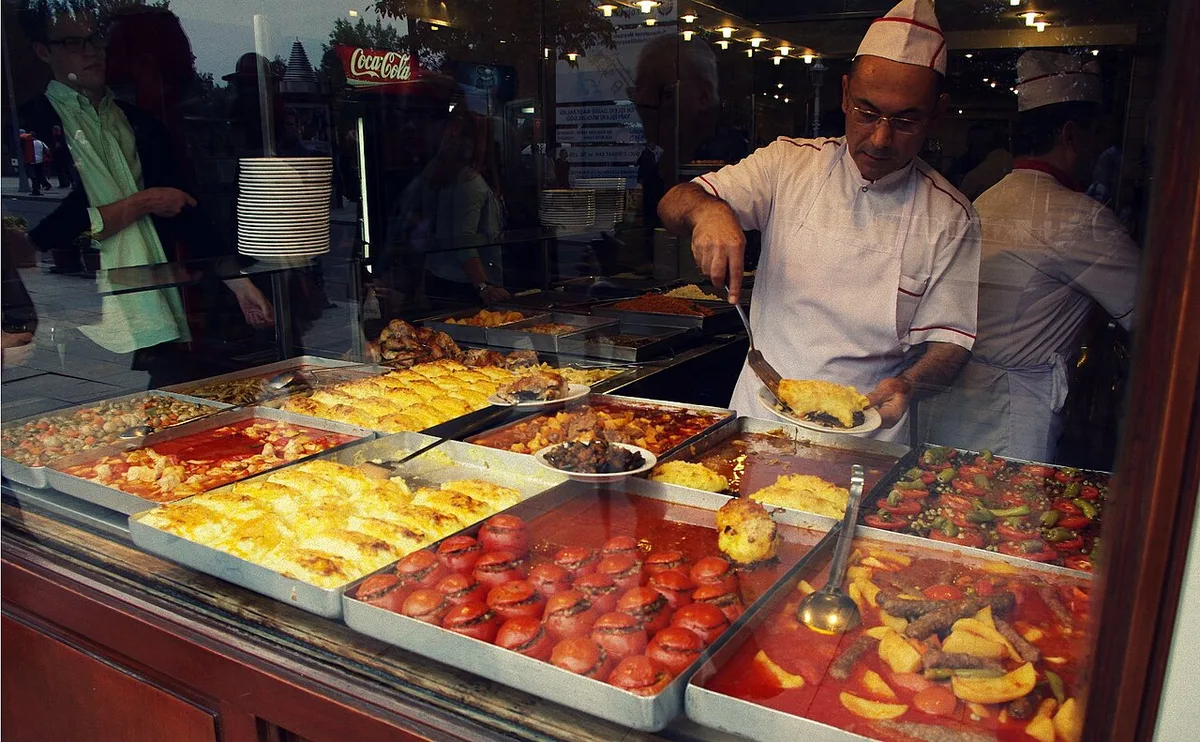
The city's named dish: lamb (or beef) cooked with orzo (arpa şehriye) pilaf, tomatoes, and peppers until the grains drink the meat. A wedding-and-feast plate gone everyday in the lokantas.
Where it comes from: Tava is the Anatolian celebration pan, and Ankara's version, with its tomato-rich orzo, became the capital's signature when the republic's cooks codified it. Every esnaf lokantası in Ulus keeps a tray; the tray's emptiness by 2 p.m. is the review.
How to eat it: At an Ulus lokantası at noon, with turşu (the Çubuk pickles, below) and ayran. It is a lunch dish by custom and by supply.
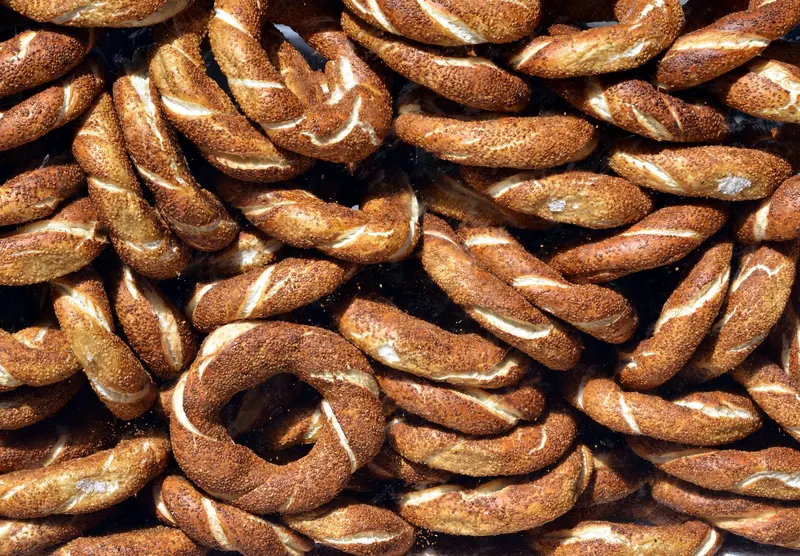
Ankara simidi
The capital's simit is a different animal from Istanbul's: darker, smaller, crunchier, dipped in pekmez for its deep color. Breakfast and the office tea round run on it.
Where it comes from: Every Turkish city guards its simit; Ankara's, baked hard and dark, is the connoisseur's ring (and the one the capital's expatriates mourn). The simit fırınları of Ulus and Kızılay sell out the morning trays by ten.
How to eat it: With tulum cheese and çay, standing at the bakery or in a tea garden. It should crackle; a soft Ankara simit is a failed one.
Çubuk turşusu
The pickles of Çubuk, the town north of the capital famous across Turkey for its turşu: cucumbers, peppers, and cabbage in a sharp brine, sold by the jar and served beside every rich plate.
Where it comes from: Çubuk holds a pickle festival and a national reputation; its water and its cucumbers get the credit. In Ankara the pickle is not a garnish but the döner's and tava's necessary counterweight, and pickle juice ('turşu suyu') is a drink, not a byproduct.
How to eat it: A small plate with any grill, and a glass of the juice if the shop pours it. Sour is the point; wince proudly.
The ASPAVA plate
The ASPAVA system: soup, döner or kebab, salad, fries, dessert, and tea arriving in a choreographed rush at canteen prices. Not a dish but a format the capital runs on, and the plate is its emblem.
Where it comes from: ASPAVA (the acronym wishes you health, money, appetite, and says amen) began as one Ankara lokanta in the 1960s and became the city's beloved template, copied and franchised because the formula (speed, fullness, tea) is undefeated. Bureaucrats schedule meetings around it.
How to eat it: Lunch, hungry, in a group that orders mixed plates. The tea at the end is not a question; do not try to pay between courses.
Kuru fasulye and pilav
White beans in tomato sauce with rice pilaf: the esnaf lunch of Turkey, and Ankara's lokantalar cook it with a capital's seriousness. With turşu and onion, it is the working country's national plate.
Where it comes from: Every Turkish town's lokanta is judged by its beans; Ankara's are judged by ministers' drivers and students alike. The dish is humility engineered: cheap, filling, and impossible to fake, because the bean either drank the sauce or it did not.
How to eat it: At the lokanta counter at noon, spoon over the rice, onion raw beside. This is the lunch the whole plateau grew up on.
Höşmerim
Central Anatolia's cheese dessert: fresh unsalted cheese melted with semolina and sugar into a warm, golden pudding, eaten by the spoonful. The capital region's sweet, older than the republic.
Where it comes from: Höşmerim ('hoş mu erim': 'am I pleasing, do I melt', says the folk etymology, the bride's dessert asking the household) belongs to the Ankara-Balıkesir belt of shepherd cooking. Lokantas serve it warm; cold versions are a different, lesser country.
How to eat it: Warm, after the tava, with çay. It is rich in the quiet way; one portion serves two spoons comfortably.
Street food, decoded
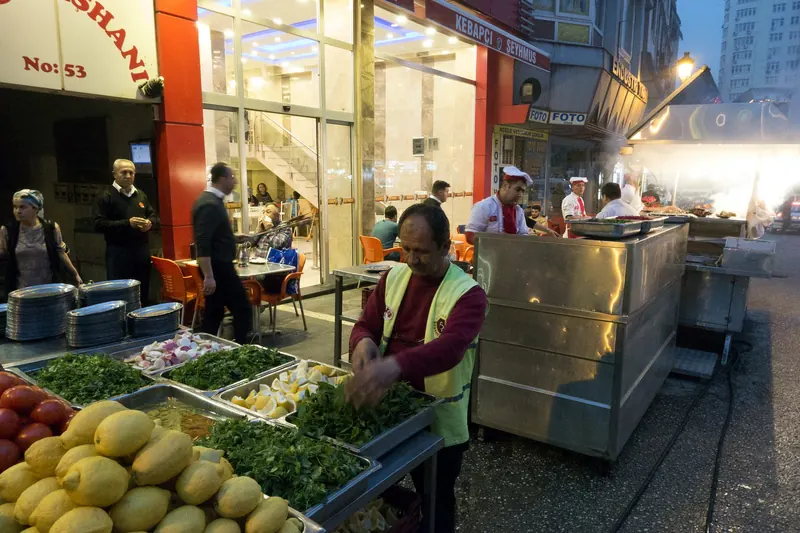
Ankara's street food is a working city's: simit fırınları at dawn, döner queues at noon, pickle shops and tea gardens in between. The spectacle is low and the standard is high, because the customers are the same officials, students, and tradesmen every day, and they cannot be fooled twice.
Ulus is the school: market hall, esnaf lokantaları, the citadel's tea gardens above. Kızılay adds the student canteens; Çankaya adds the embassy-grade kebab houses. A day of eating here is a tour of how Turkey actually feeds its capital.
The ASPAVA lunch
Soup, grill, salad, dessert, tea, at speed and salary prices: the capital's signature hour. Arrive at noon, surrender to the sequence.
The esnaf lokantası
Ulus's trays: tava, beans, stews, ready at noon and argued over by regulars. Point at the fullest tray's neighbor; the fullest is spoken for.
The dönerci
The master's counter: watch the stack, the cut, the weighing. Ankara's döner houses are theaters of one skill, reviewed daily by the queue.
The citadel tea garden
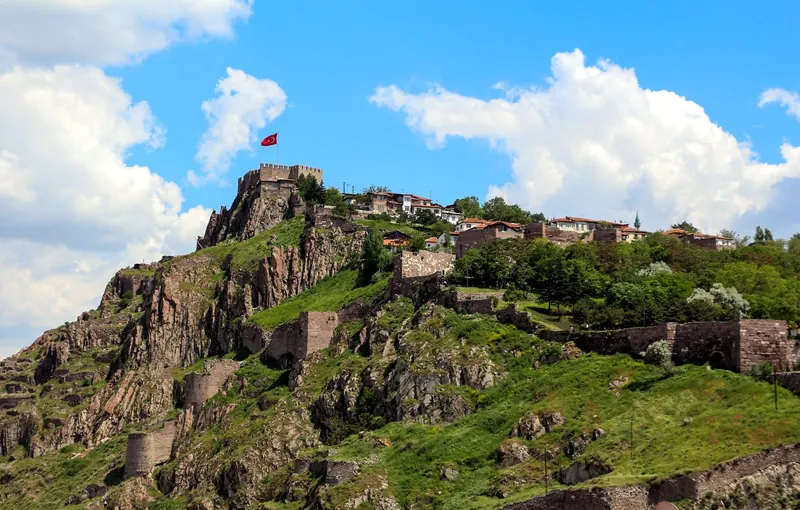
Çay and simit above the old town inside the Kale walls: the capital's best cheap view, Anatolian plateau to the horizon.
The ocakbaşı
Grill-side counter seating in Çankaya's kebab houses: your kebab cooked at arm's length, the master's commentary included.
The pasaj canteen
Kızılay's arcade food floors: students, clerks, and the day's set menus, the center's engine at lunch.
The rules that keep it safe and good
Lunch is the capital's main event and it is early: the lokanta trays peak at 12 and the famous döner is cut by 1.
Ankara simidi should be dark and crackling; if a bakery offers you a pale soft one, you are in the wrong bakery.
The pickle juice is a beverage with believers: accept the small glass at the turşucu and drink it standing, like the regulars.
Beypazarı is a morning town: its bazaar and bakers peak before noon on weekends, and the drive back pairs with a late Ulus dinner.
Anıtkabir is a place of ceremony: dress and behave accordingly, and let the citadel tea after it restore the holiday mood.
The markets
Markets are where Ankara actually shops and eats. Each one has a different job; go in the morning, when the food counters are at their busiest.
AUlus Hali (the Old Market Hall)
The capital's historic market hall: produce, cheese, honey, and dried goods of the plateau, with the lokantalar of Ulus around it. Ankara's pantry since the republic's first years.
Eat: Shop the hall, lunch in the lanes: tava and turşu at a counter.
BÇıkrıkçılar Yokuşu
The old town's climbing lane of copper, cloth, and antique shops under the citadel, with tea houses and snack stops threaded through. Shopping as the Ottomans arranged it.
Eat: Çay at the top, simit from the fırın at the bottom.
CThe Citadel (Kale) Quarter
Inside the walls: village houses inside a capital, small museums, workshops, and tea gardens over the ramparts. The neighborhood that eats like old Ankara.
Eat: A tea garden breakfast or a gözleme from the quarter's women.
DKızılay's Pasaj Arcades
The center's covered arcades of small shops and food floors: the student-and-clerk economy in a few dense blocks, set menus chalked at the doors.
Eat: The day's set menu at a pasaj lokantası, tea in the arcade after.
EYenişehir Pazarı
The weekly market by Kızılay: plateau produce, Çubuk pickles by the jar, cheeses and olives, the capital's households stocking up.
Eat: Pickles and cheese as you shop; the market is the tasting.
Neighborhoods: 1 Ulus and the Citadel · 2 Kızılay · 3 Çankaya and Kavaklıdere · 4 BahçelievlerMarkets: A Ulus Hali (the Old Market Hall) · B Çıkrıkçılar Yokuşu · C The Citadel (Kale) Quarter · D Kızılay's Pasaj Arcades · E Yenişehir PazarıPins mark neighborhood centers, so you can place each area against where you are staying. Taxi times under each neighborhood below are measured from the Citadel.
1Ulus and the Citadel
The old town: the market hall, Çıkrıkçılar Yokuşu's lanes, esnaf lokantaları, and the Kale (citadel) above with tea gardens over the whole plateau. Ankara before the ministries, still eating.
From the Citadel: The Citadel is the reference point; you are there
2Kızılay
The modern center: pasaj arcades, student canteens, and the crossroads of the whole city's lunch. Loud, central, and priced for salaries.
From the Citadel: 20 min on foot or a short metro
3Çankaya and Kavaklıdere
The embassy quarter on the hill: the capital's serious restaurants, Gaziantep kebab houses for the diplomats, and Tunalı Hilmi's cafe street. Where Ankara takes guests.
From the Citadel: 25 min on foot uphill
4Bahçelievler
The planned garden suburb: student-and-family eating along its avenues, famous dessert shops, and the capital's relaxed evening register.
From the Citadel: 15 min by metro
The people behind the food
The names that explain how Ankara cooks the way it does now.
ASPAVA
Institution, since the 1960s
The name Ankara trusts: a lokanta whose acronym blesses your health, wealth, and appetite, serving the full sequence (soup, döner, salad, dessert, tea) at speeds the ministries plan around. The original's formula became the capital's lunch constitution.
The Ulus esnaf masters
Craft, Ulus lokantaları
The lokanta cooks of the old town, keeping the tava and bean trays at the standard their regulars' grandfathers set. Their dining rooms are Ankara's true parliament of taste.
The Beypazarı bakers
Craft, Beypazarı
The market town's families rolling baklava to its legendary layer count and cooking carrot lokum in copper pans: the capital region's sweet conscience, an hour west and worth every kilometer.
The Çubuk pickle makers
Craft, Çubuk
The town that pickled its way to national fame: cucumbers in sharp brine, sold by the barrel to the capital's lokantas. Their festival each autumn is the plateau's sour holiday.
Hacı Arif Bey and the kebab houses
Institution, Kavaklıdere
The Gaziantep-style kebab houses of the embassy quarter (Hacı Arif Bey the famous name) cook the southeast's fire for the capital's guests: the proof that Ankara's serious eating dresses up when it must.
If you only eat ten things here
Ankara tava at an Ulus lokantası at noon, turşu beside.
The ASPAVA full sequence, timed and surrendered to.
A dark Ankara simit with tulum and çay at a fırın counter.
Citadel tea gardens at golden hour, the plateau below.
Çubuk pickles and their juice at a turşucu, standing.
Beypazarı on a Saturday: carrot lokum, baklava, noodles home.
Kuru fasulye at the counter the drivers use, noon sharp.
An ocakbaşı kebab in Çankaya, grill-side seat.
Höşmerim warm after lunch, two spoons.
The Anatolian Civilizations Museum, then lunch: the correct order.
Eating well here
tava
The pan and the dish: in Ankara it means lamb and orzo, tomato-rich, by name. Order 'Ankara tava' in full.
turşu
Pickles, and by extension the shop (turşucu) and the juice. Çubuk's are the capital's standard.
ASPAVA
The blessing-acronym of the beloved lokanta: health, wealth, appetite, amen. Saying it in Ankara starts conversations.
afiyet olsun
'May it be health': the table blessing, said by the dönerci as he hands you the plate.
höşmerim
The cheese dessert that melts: order it warm and judge the lokanta by it.
simit (Ankara)
Dark, small, crackling: the capital's ring. Do not accept the pale imitation.
hesap, lütfen
'The bill, please': at ASPAVA it arrives after the free tea, by design.
kale
'Castle': the citadel above Ulus, and the direction to give any taxi for the old town.
Is Ankara worth a special trip for food?
Honestly: as a stop, not a pilgrimage. Between Istanbul and Cappadocia it eats very well (Ulus, ASPAVA, the citadel), and Beypazarı makes a proper day trip. The traveler who expects Istanbul's fireworks misreads it; the one who wants Anatolia's everyday table, done at capital standard, is rewarded.
What is the Beypazarı trip?
A market town 100 km west keeping the old crafts: carrot lokum (havuç lokumu), an 80-layer baklava, tarhana and erişte (noodles) drying in the lanes, and a restored bazaar street. Go on a weekend morning, eat everything, and buy the noodles.
Where do the ministries eat?
ASPAVA at lunch, like everyone; the serious kebab houses of Çankaya (the Gaziantep-style rooms) for guests; Ulus lokantaları for the old hands. Ankara's officialdom is a reliable compass: follow the suits at 12:30.
The döner claim: Ankara or Bursa?
Bursa's İskender family holds the invention story (1860s); Ankara claims the perfected modern spit and cut. Eat İskender in Bursa and döner in Ankara and declare both victories; the cities accept nothing less anyway.
What about Anıtkabir and the museums?
Anıtkabir (the hero of this page) deserves its morning, the Museum of Anatolian Civilizations by the citadel is world-class, and both build the appetite that Ulus, five minutes away, is waiting to answer.